
Alberta Tourism Surge 2026: Lake Louise Emerges as Global Nature Escape Hotspot in Canadian Rockies
Lake Louise and Alberta are seeing a massive surge in international tourism in 2026 as travelers pivot toward authentic nature escapes and sustainable mountain experiences.

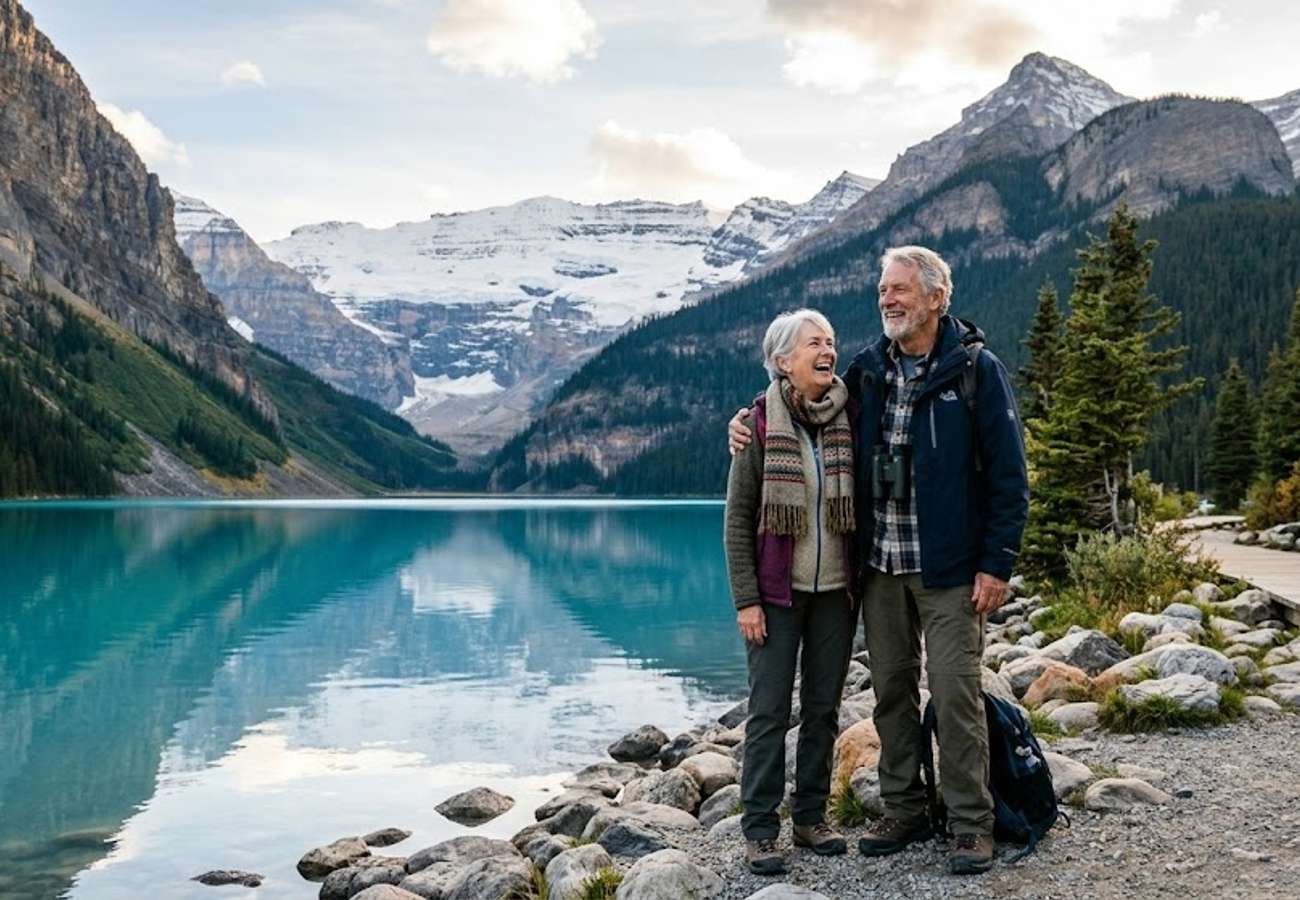
Image generated by AI
Headline Options:
- Factual/News: Alberta Tourism Hits Record Peak in 2026 as Lake Louise Becomes Primary International Hub for Nature-Based Travel
- Curiosity-Gap (Discover): The "Turquoise Effect": Why Global Travelers Are Abandoning Cities for Alberta's Lake Louise in 2026
- Problem-Solving (Search): Planning a Trip to Lake Louise in 2026? Everything You Need to Know About Alberta's Tourism Surge
The surge in nature-based travel has transformed Lake Louise into a global phenomenon, driving unprecedented international arrivals to Alberta in 2026.
The Alberta Tourism Phenomenon
Lake Louise has solidified Alberta's position as a premier global destination, shifting the focus of international travel from urban sightseeing to authentic, environmentally rich landscapes. Located within the Canadian Rockies, the destination is seeing a massive influx of visitors attracted by its glacier-fed turquoise waters and alpine ecosystems.
Our analysis indicates that this trend is driven by a fundamental change in traveler preferences. Modern tourists are prioritizing "slow travel," peaceful surroundings, and destinations that offer a tangible connection to the environment over traditional city-based itineraries.
Regional Impact and Infrastructure Breakdown
The growth of Lake Louise as a primary anchor has created a ripple effect across the province of Alberta. The impact is visible across several key sectors:
- Economic Growth: Increased expenditure at local hotels, restaurants, and retail businesses due to a shift toward longer-duration stays.
- Transportation: Higher demand for regional transit and rental services connecting Calgary to the mountain hubs.
- Sustainable Development: A rise in the implementation of conservation-first tourism models to protect the ecological value of the Rockies.
- Seasonal Diversification: A transition from a summer-peak model to a year-round destination, leveraging winter sports and autumn foliage to maintain steady visitor flows.
Passenger Rights & Advisory (Information Gain)
For the affected traveler planning a visit to Alberta during this high-demand period, the surge in tourism introduces specific logistical risks and rights.
Booking and Cancellation Rights Our analysis of Canadian consumer protection guidelines suggests that passengers should be wary of "overbooking" during peak 2026 seasons. If a hotel or transport provider cancels a confirmed reservation:
- For the passenger, this means you are generally entitled to a full refund or a comparable alternative. Always document your confirmation numbers and terms of service.
- Travel Insurance: Given the volatility of mountain weather and the high volume of tourists, comprehensive travel insurance covering "trip interruption" is no longer optional but essential for 2026 travel.
Access and Permitting To manage the "phenomenon" of overcrowding, Parks Canada often implements shuttle systems and permit requirements for Lake Louise and Moraine Lake.
- Our advisory suggests checking the official Parks Canada reservation system at least 60 days in advance. Failure to secure a shuttle seat may result in an inability to access the lake, as private vehicle access is strictly limited.
Industry Analyst View
The current trajectory of Alberta's tourism suggests a move toward "High-Value, Low-Impact" tourism. By encouraging longer stays rather than brief sightseeing stops, the region is increasing its economic resilience.
The ability of Lake Louise to maintain its turquoise aestheticâcaused by fine rock particles (rock flour) from surrounding glaciersâwhile managing millions of visitors is a critical case study in sustainable growth. The industry is now watching whether Alberta can scale its infrastructure without degrading the very "untouched wilderness" that attracts the global market.
Alberta's transition to a nature-first economy is now a blueprint for mountain destinations worldwide.
Related Travel Guides
Disclaimer
This article is for informational and educational purposes only. It does not constitute legal, financial, or professional advice. While we strive to provide accurate and up-to-date information, travel policies, regulations, and conditions change rapidly. Always verify information with official sources before making travel decisions. Nomad Lawyer makes no representations about the accuracy, reliability, completeness, or suitability of the information provided. Readers should consult qualified professionals for advice specific to their circumstances. The views expressed in this article are those of the author and do not necessarily reflect the views of Nomad Lawyer.

Preeti Gunjan
Contributor & Community Manager
A passionate traveller and community builder. Preeti helps grow the Nomad Lawyer community, fostering engagement and bringing the reader experience to life.
Learn more about our team â