Sri Lanka Outranks the Galápagos and French Polynesia to Claim World’s Best Island Title for 2026


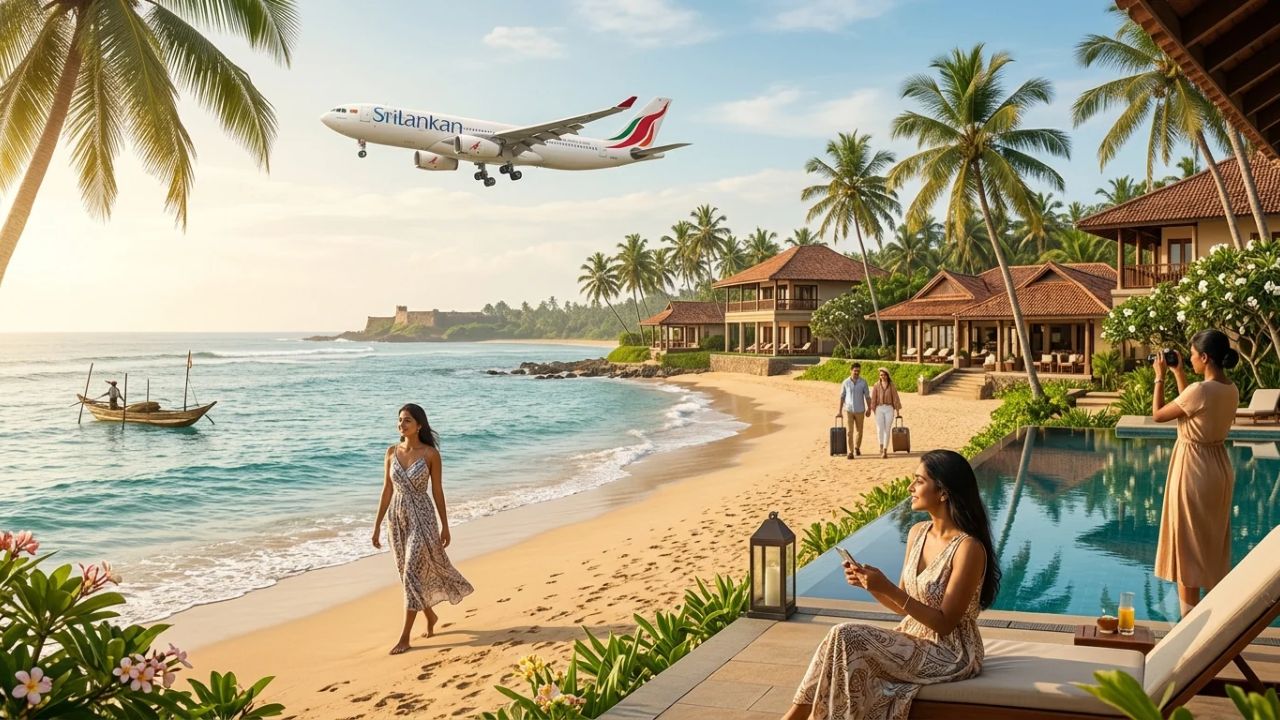
Image generated by AI
[Colombo, July 3] — Sri Lanka has officially been crowned the "Best Island in the World for 2026" by the international rating platform Big 7 Travel. This monumental ranking completely disrupts the traditional luxury travel hierarchy. By securing the top position in the annual "50 Best Islands in the World" index, the South Asian nation decisively bypassed established global heavyweights, including Mo’orea in French Polynesia, the Galápagos Islands in Ecuador, and Madeira in Portugal.
Industry observers indicate that this victory represents a massive structural shift in international consumer demand. Modern travelers are actively abandoning isolated, single-purpose resort bubbles in favor of layered, high-density environments. Sri Lanka captured the 2026 title precisely because its geography allows tourists to navigate an 833-mile tropical coastline, spot apex predators in dense jungles, and explore ancient UNESCO-listed architecture—all within a highly compact logistical radius.
Ecological Density Drives Global Appeal
The primary catalyst behind Sri Lanka’s explosive rise to the top of the global rankings is its sheer ecological variety. The island serves as an incredibly rare, intact biosphere. Travelers can depart from coral-rich coastal bays in the morning and reach mist-covered central highlands and sprawling tea estates by the afternoon.
This environmental wealth is most visible within the country's protected wildlife corridors. Facilities like Yala National Park operate as massive draws for international safari tourism, internationally recognized for their dense populations of leopards, elephants, and endemic birdlife. As global tourists increasingly demand sustainable interactions over artificial attractions, Sri Lanka’s commitment to preserving its natural environments heavily influenced its final editorial assessment.
Ancient Heritage Anchors the Tourism Experience
While marine biodiversity secures leisure travelers, the island's deep historical footprint cemented its top-tier status. Sri Lanka’s landscape is heavily anchored by ancient civilizational monuments that dwarf the cultural offerings of competing luxury islands. The UNESCO-listed Sigiriya Rock Fortress remains a staggering architectural marvel, serving as a globally recognized symbol of the nation's rich historical narrative. This deep integration of living religious traditions, ancient kingdoms, and archaeological wonders provides the authentic, narrative-driven experience that contemporary international travelers demand.
Decoding the 2026 Ranking Methodology
Securing the number one position required outperforming some of the most fiercely protected ecosystems on the planet. According to the publishers at Big 7 Travel, the final index is generated by triangulating media visibility, emerging consumer travel trends, and rigorous editorial assessment. While destinations like Socotra in Yemen offer extreme geographical isolation, and Milos in Greece provides stunning volcanic landscapes, neither could match Sri Lanka’s comprehensive fusion of accessibility, heritage, and ecological scope.
Global Top 10 Islands for 2026
| Rank | Island Destination | Country/Territory |
|---|---|---|
| 1 | Sri Lanka | Sri Lanka |
| 2 | Mo’orea | French Polynesia |
| 3 | Socotra | Yemen |
| 4 | Madeira | Portugal |
| 5 | Galápagos Islands | Ecuador |
| 6 | Great Exuma | Bahamas |
| 7 | Seychelles | Seychelles |
| 8 | Achill Island | Ireland |
| 9 | Koh Lipe | Thailand |
| 10 | Milos | Greece |
Impact Analysis
This number one global ranking arms the Sri Lankan tourism board with an incredibly powerful geopolitical marketing tool. International investors and hotel developers rely heavily on these specific indices to gauge long-term market viability before deploying capital. By publicly defeating legacy luxury markets like the Seychelles and the Bahamas, Sri Lanka instantly justifies premium pricing for its domestic hospitality sector while simultaneously demanding expanded direct flight connectivity from major European and North American airline carriers.
Why This Matters
Our analysis of the 2026 rankings indicates that the era of the one-dimensional beach vacation is officially dead. Sri Lanka’s victory over the Galápagos Islands proves that modern international travelers demand absolute experiential efficiency; they want the biodiversity of a remote nature reserve paired directly with the cultural infrastructure of an ancient civilization. When Big 7 Travel ranks a South Asian island above the world's most expensive, highly manicured resort archipelagos, it sends a massive warning shot to the global hospitality industry: destinations that cannot offer a diverse, sustainable, and culturally authentic ecosystem will rapidly lose market share to those that can.
This article is for informational purposes. Flight routes, passenger regulations, visa rules, and transit advisories are subject to change by airlines and aviation authorities. Readers are advised to verify schedules and travel documentation with relevant carriers and border agencies before departure.
Related Stories
Sri Lanka Tourism Surpasses 1.9 Million Arrivals in 2026: UK and India Anchor Inbound Travel Ahead of Winter Season

Plan the Whole Visayas in One Trip: ‘Discover the Visayas’ Launches Multi-Island Itinerary Builder Via Cebu