
Thailand Emerges as LGBTQIA+ Tourism Leader in Asia According to Gay Travel Index 2026
Thailand outpaces Japan, South Korea, and Vietnam in the 2026 Gay Travel Index, signaling a shift toward more inclusive tourism in Asia.

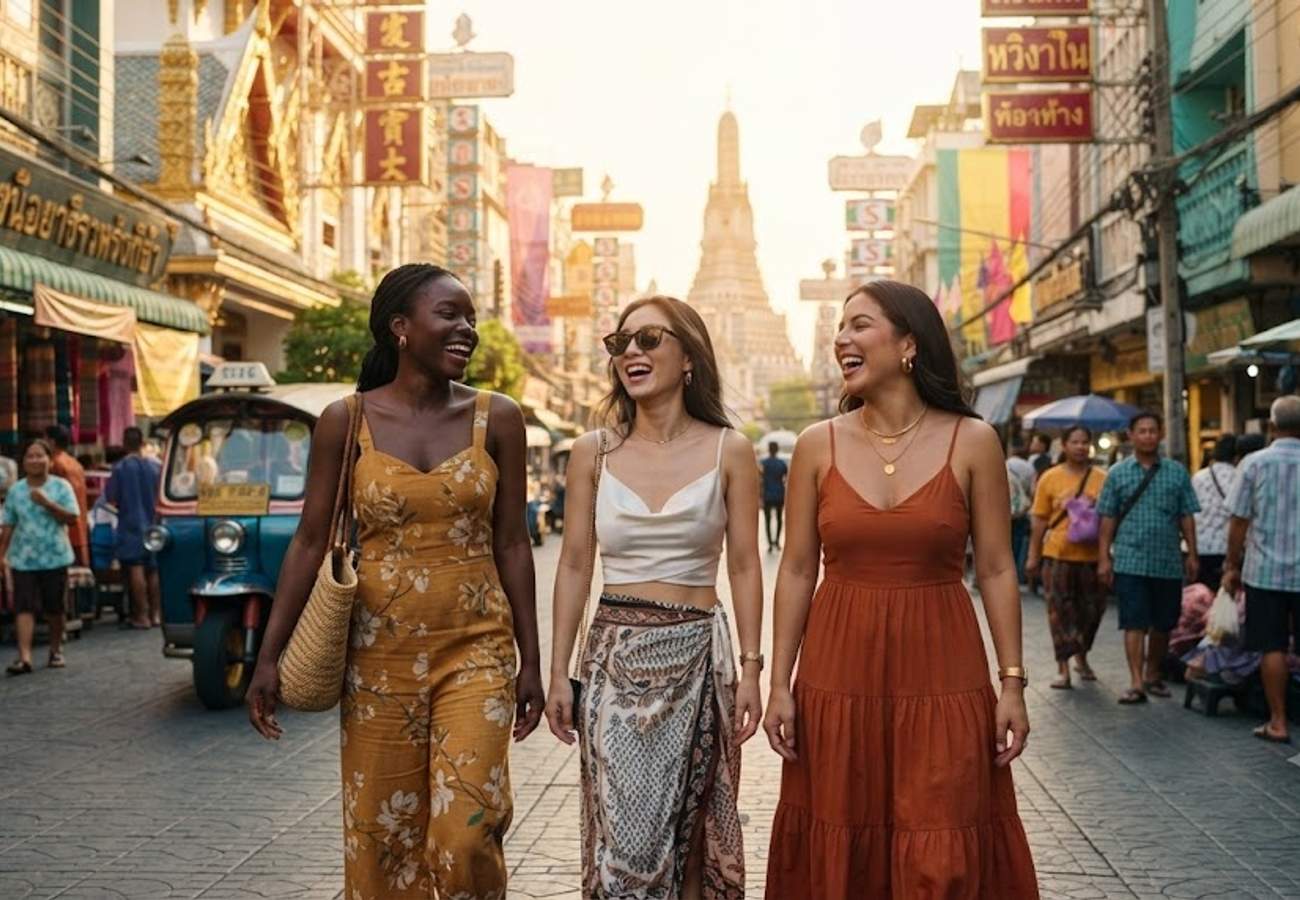
Image generated by AI
Thailand is consolidating its position as a premier destination for LGBTQIA+ travelers in Asia. The latest results from the Spartacus Gay Travel Index 2026 place the kingdom ahead of several regional heavyweights, including Japan, Vietnam, South Korea, and Cambodia, reflecting a growing trend of visitor confidence and social visibility.
The index reveals that Thailand has successfully leveraged its hospitality reputation to create a welcoming environment, even as it continues to navigate the complexities of legal protections. This shift is significant because modern travelers increasingly prioritize safety, acceptance, and inclusion when selecting international destinations.
Measuring Inclusion Across Asia
The Gay Travel Index 2026 utilizes a comprehensive framework of 18 categories to evaluate destinations. These metrics are split between positive indicators—such as marriage recognition, transgender rights, and anti-discrimination laws—and negative indicators, including censorship, hostility, and criminalization.
While a destination's overall popularity as a tourist hub does not always correlate with its inclusivity score, Thailand's performance suggests a synergy between its global tourism brand and its social openness.
Regional Performance Breakdown
The data shows a diverse landscape across the continent. While Thailand is a strong performer, it is not the sole leader in the region. Taiwan continues to set the gold standard for LGBTQIA+ rights in Asia, followed by India, which shows surprising strength in specific legislative protections.
Thailand’s score of 3 places it 52nd globally, mirroring the standing of countries like the Czech Republic and Cyprus. Although it remains behind top-tier global leaders such as Iceland, Malta, Spain, and Canada, its regional lead provides a competitive edge in attracting the high-value LGBTQIA+ travel segment.
Comparative LGBTQIA+ Tourism Scores 2026
The following data highlights the disparity in scores across key Asian markets, illustrating the gap between social visibility and legal frameworks.
| Destination | Index Score | Global Rank / Status |
|---|---|---|
| Taiwan | 8 | Asia's Top Performer |
| India | 7 | 31st Globally |
| Thailand | 3 | 52nd Globally |
| Japan | -1 | Below Thailand |
| Vietnam | -1 | Below Thailand |
| South Korea | -2 | Below Thailand |
| Cambodia | -4 | Below Thailand |
Analyzing the Gap: Thailand vs. Regional Competitors
The contrast between Thailand and its neighbors is stark. Japan and Vietnam, both global tourism powerhouses, scored -1, largely due to gaps in marriage recognition and legal protections. South Korea and Cambodia trailed further, scoring -2 and -4 respectively.
For South Korea, the gap exists between its cultural exports (K-pop and technology) and its legal recognition of LGBTQIA+ identities. Similarly, Cambodia's lower score reflects weaker performance across the index's protection categories, despite its massive appeal as a heritage destination.
Thailand’s advantage lies in its long-term investment in a "welcoming" identity. The country has effectively bridged the gap between government policy and the actual visitor experience, making it a safer bet for inclusive travel than its immediate competitors.
The Future of Inclusive Travel in Asia
The 2026 findings underscore that the future of Asian tourism will be shaped by a balance of infrastructure and human rights. As travelers move away from "generic" sightseeing toward "values-based" travel, destinations that implement concrete legal protections will likely see a surge in visitor loyalty.
Taiwan's lead is built on progressive policy, while India's score is bolstered by specific anti-discrimination progress. Thailand, meanwhile, remains the regional bridge—combining a world-class hospitality sector with a social environment that is increasingly open to all.
As the travel industry evolves, the ability to guarantee safety and respect will become as important as the attractions themselves.
Related Travel Guides
Disclaimer
This article is for informational and educational purposes only. It does not constitute legal, financial, or professional advice. While we strive to provide accurate and up-to-date information, travel policies, regulations, and conditions change rapidly. Always verify information with official sources before making travel decisions. Nomad Lawyer makes no representations about the accuracy, reliability, completeness, or suitability of the information provided. Readers should consult qualified professionals for advice specific to their circumstances. The views expressed in this article are those of the author and do not necessarily reflect the views of Nomad Lawyer.
Preeti Gunjan
Contributor & Community Manager
A passionate traveller and community builder. Preeti helps grow the Nomad Lawyer community, fostering engagement and bringing the reader experience to life.
Learn more about our team →