
Airport South Travel: Seoul Incheon Surpasses Changi in 2026 Cleanliness Rankings
Seoul Incheon Airport ranks second globally in cleanliness for 2026, surpassing Singapore Changi. The Skytrax World Airport Awards reveal shifting standards in airport south travel and Asia's competitive hospitality landscape.

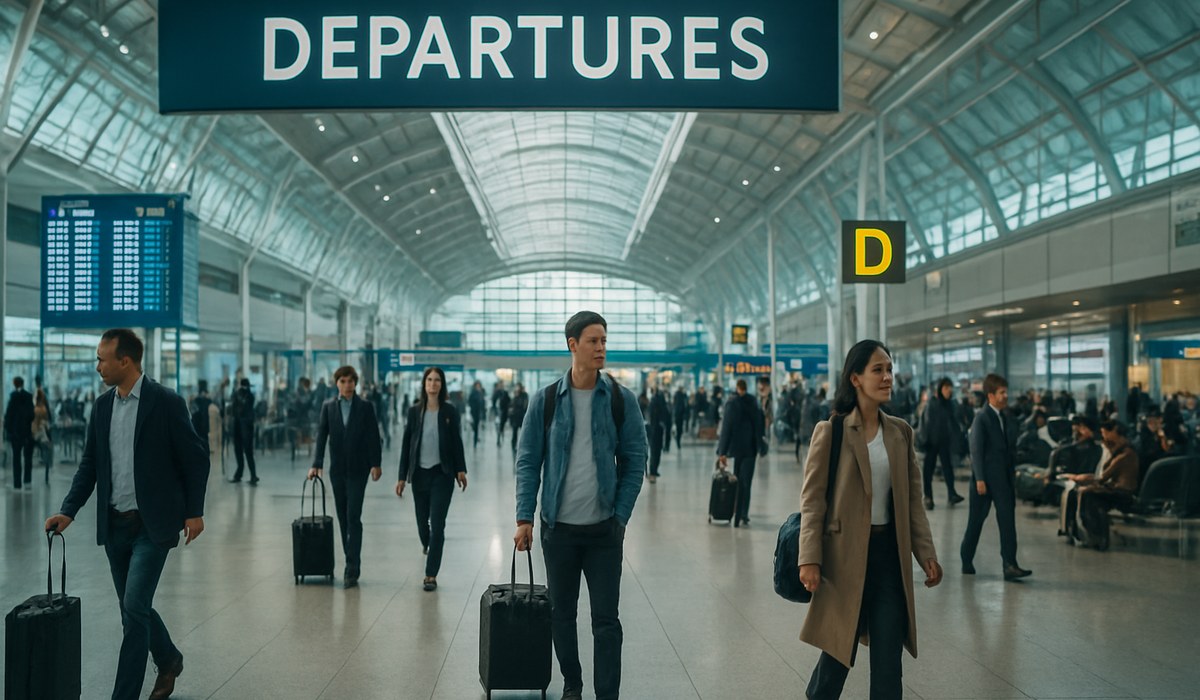
Image generated by AI
Seoul Incheon International Airport (ICN) has claimed the second position in global cleanliness standards, displacing Singapore Changi Airport from its long-held ranking in the 2026 World Airport Awards. The Skytrax assessment, released this week, underscores a major shift in airport south travel quality metrics and reflects South Korea's commitment to aviation infrastructure excellence.
Seoul Incheon Now Ranks as World's Second Cleanest Airport
Incheon International Airport has achieved the remarkable second-place position for cleanliness in the Skytrax World Airport Awards 2026. The Seoul gateway's advancement reflects substantial investments in sanitation protocols and facility modernization. Incheon maintains 24/7 cleaning operations across its terminals, corridors, and customer-facing zones. The airport's hygiene standards now surpass those of Singapore Changi, which previously dominated airport south travel rankings in this category for over a decade.
This achievement marks a turning point for Korean aviation infrastructure. Incheon serves approximately 71 million passengers annually. The airport's operational teams have implemented advanced disinfection technologies and real-time monitoring systems. Daily deep-cleaning cycles exceed international standards. Ground support staff receive specialized training in hospitality and facility maintenance. The rating demonstrates how airport operators can elevate cleanliness through systematic process improvement.
What Happened to Singapore Changi's Dominance
Singapore Changi Airport, historically recognized as one of the world's premier aviation hubs, dropped to third place in the cleanliness rankings. The facility remains among the top-performing airports globally but faces increased competition from regional alternatives. Changi maintains its reputation for service quality and passenger experience, yet cleanliness metrics now reflect broader competitive pressures within airport south travel.
Changi Airport continues serving 37 million passengers annually across its four operational terminals. The decline in ranking does not indicate facility degradation but rather reflects rising cleanliness standards across the Asia-Pacific region. Industry analysts attribute the shift to accelerated investments by competitors like Incheon and other Korean airports. Changi's management has acknowledged the ranking and plans targeted enhancements. The airport's commitment to maintaining world-class standards remains steadfast despite the ranking adjustment.
Skytrax Methodology and 2026 Assessment Criteria
The Skytrax World Airport Awards employ comprehensive evaluation frameworks assessing cleanliness alongside 34 additional categories. Raters examine terminal interiors, restroom facilities, gate areas, baggage claim zones, and passenger lounges. The 2026 assessment incorporated feedback from over 14 million passengers across global survey mechanisms. Cleanliness standards measure maintenance frequency, visual hygiene appearance, and odor control effectiveness.
Evaluators conduct unannounced facility inspections throughout the year. Each airport receives standardized assessment protocols regardless of size or regional location. The methodology combines quantitative metrics with subjective passenger feedback. The Skytrax Awards represent independent assessment data widely recognized by aviation industry stakeholders. This transparency allows airports and travelers to benchmark facility standards objectively. The 2026 results demonstrate measurable differences in operational excellence across airport south travel networks.
Impact on Regional Airport South Travel Competition
The rankings intensify competition among Asia-Pacific aviation hubs vying for passenger preference and airline partnerships. Incheon's advancement signals that comprehensive facility investment yields measurable competitive advantages. Other regional airports now face pressure to accelerate cleanliness and maintenance initiatives. The rankings influence airline route planning decisions and passenger terminal preference behavior.
Travelers increasingly prioritize facility quality when selecting connecting airports. Airlines consider cleanliness rankings when optimizing hub operations and ground service contracts. The 2026 results reposition Korean airports as leading-edge facilities for airport south travel operations. Industry consultants expect additional facilities across South Korea, Singapore, and Southeast Asia to announce modernization programs. Competition drives innovation in sanitation technology and operational management across the region's critical aviation infrastructure.
Key Cleanliness Metrics and Facility Improvements
| Airport Name | Cleanliness Rank 2026 | Country | Terminal Count | Annual Passengers | Notable Upgrades |
|---|---|---|---|---|---|
| Seoul Incheon (ICN) | 2nd | South Korea | 2 | 71 million | AI-powered monitoring, UV sanitation zones |
| Singapore Changi (SIN) | 3rd | Singapore | 4 | 37 million | Enhanced restroom fixtures, expanded lounges |
| Doha Hamad (DOH) | 1st | Qatar | 1 | 35 million | Integrated UV sterilization, robotic cleaning |
| Tokyo Narita (NRT) | 5th | Japan | 2 | 37 million | Sensor-based air purification systems |
| Bangkok Suvarnabhumi (BKK) | 8th | Thailand | 1 | 45 million | Advanced HVAC maintenance protocols |
| Kuala Lumpur (KUL) | 12th | Malaysia | 2 | 58 million | Terminal renovation underway 2026-2027 |
What This Means for Travelers
Choosing between Incheon and Changi involves weighing cleanliness rankings against other operational factors. Passengers transiting through Seoul experience enhanced sanitation systems and modernized facilities. The airport's second-place ranking assures travelers of rigorous facility maintenance standards.
Changi remains an excellent connecting hub despite the cleanliness ranking adjustment. The airport excels in terminal design, passenger amenities, and service speed. Travelers should consider cleanliness as one factor among many when planning connections. Direct flight availability often outweighs facility rankings for most passengers. Airlines operating from both hubs maintain high service standards regardless of cleanliness metrics.
For frequent travelers, Incheon's advancement represents improved airport south travel quality. The facility's 24/7 operations ensure consistent cleanliness throughout peak and off-peak periods. Passengers connecting through Seoul can expect modernized restroom facilities and advanced air filtration systems. Business travelers particularly benefit from enhanced lounge cleanliness standards. Budget-conscious passengers appreciate that facility quality does not increase ticket prices at Incheon.
FAQ: Airport Cleanliness and Rankings
How does airport south travel benefit from Incheon's cleanliness ranking advancement? Incheon's second-place ranking signals improved facility standards for all passengers. Enhanced sanitation protocols benefit connecting travelers, particularly those with tight transfer windows. Better cleanliness supports passenger health and safety across international routes. Airlines increasingly select hubs with superior facility ratings for their major operations.
What specific cleanliness upgrades did Seoul Incheon implement to surpass Changi? Incheon installed AI-powered monitoring systems that detect facility maintenance needs in real-time. The airport introduced UV sterilization zones in high-traffic corridors and restroom areas. Enhanced cleaning staff training protocols ensure consistent standards across all terminals. Sensor-based air quality monitoring systems maintain optimal environmental conditions throughout operations.
Does the airport south travel cleanliness ranking affect ticket prices or airline selection? Cleanliness rankings influence airline hub selection and operational planning but do not directly increase ticket prices. Passengers may prefer certain airports based on facility quality, affecting demand indirectly. Airlines choose hubs based on comprehensive performance metrics including cleanliness ratings. Travelers should verify specific airline and route options rather than selecting airports based solely on rankings.
Will Singapore Changi implement changes to improve its cleanliness ranking position? Changi's management has acknowledged competitive pressure and plans targeted facility enhancements. The airport continues its established maintenance programs while evaluating advanced cleaning technologies. Specific upgrade timelines and investments have not yet been publicly announced. Travelers can expect gradual improvements as Changi responds to the 2026 assessment results.
Related Travel Guides
Complete Guide to Seoul Incheon International Airport Terminals and Facilities 2026
Singapore Changi Airport: Connecting Flights, Lounges, and Transfer Times
Best Asia-Pacific Airports for Cleanliness and Passenger Experience
Planning Your Korea Trip: Incheon Airport Ground Transportation and Services
Disclaimer
Disclaimer
This article is for informational and educational purposes only. It does not constitute legal, financial, or professional advice. While we strive to provide accurate and up-to-date information, travel policies, regulations, and conditions change rapidly. Always verify information with official sources before making travel decisions. Nomad Lawyer makes no representations about the accuracy, reliability, completeness, or suitability of the information provided. Readers should consult qualified professionals for advice specific to their circumstances. The views expressed in this article are those of the author and do not necessarily reflect the views of Nomad Lawyer.
Preeti Gunjan
Contributor & Community Manager
A passionate traveller and community builder. Preeti helps grow the Nomad Lawyer community, fostering engagement and bringing the reader experience to life.
Learn more about our team →