Airbus Chief Executive Guillaume Faury Cautions Embraer Over High-Risk Narrowbody Jet Ambitions


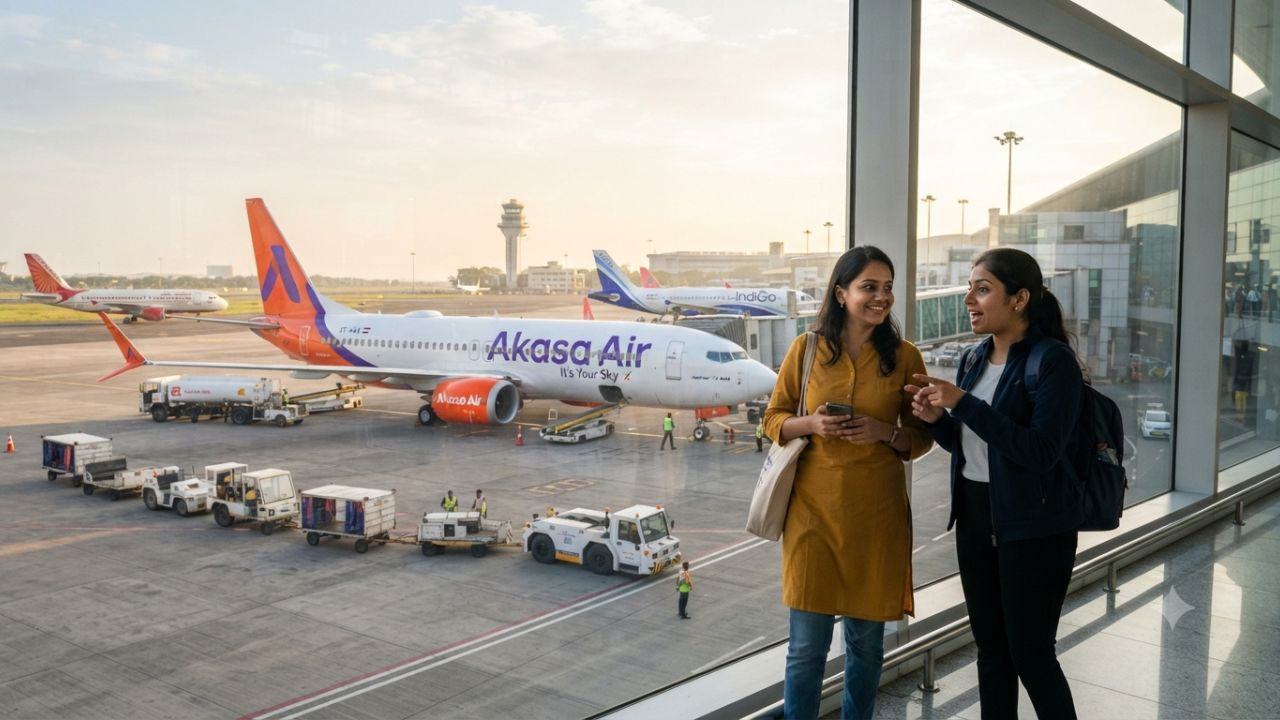
Image generated by AI
Airbus Chief Executive Officer Guillaume Faury has issued a clear strategic warning to Brazilian aircraft manufacturer Embraer, highlighting the multi-billion dollar financial, industrial, and supply chain barriers associated with developing a clean-sheet 170- to 200-seat narrowbody airliner.
PARIS, France — Airbus Chief Executive Officer Guillaume Faury has cautioned Embraer regarding industry speculation that the Brazilian manufacturer could develop a new single-aisle jet to challenge the established Airbus A320neo and Boeing 737 MAX aircraft families. Faury's remarks emphasize the capital intensity, manufacturing scale, and worldwide support infrastructure required to compete in the mainstream commercial narrowbody market.
While Embraer has established a dominant market position in regional jets and smaller single-aisle aircraft through its E-Jet and E2 families (including the E190-E2 and E195-E2), entering the core 170- to 200-seat passenger segment would require tens of billions of dollars in R&D and industrial expansion. Embraer leadership has not formally launched or announced a narrowbody aircraft program, maintaining a cautious evaluation of next-generation propulsion, alternative fuels, and capital allocation across its commercial, executive jet, and defense divisions.
| Commercial Aircraft Sector Metric | Airbus A320neo & Boeing 737 MAX | Embraer E2 Family Baseline | Proposed Clean-Sheet Narrowbody |
|---|---|---|---|
| Typical Seat Capacity | 150 to 240 seats | 80 to 146 seats | 170 to 200 seats (Target Category) |
| Market Segment Role | Mainstream Global Single-Aisle | Regional / Thin Trunk Routes | Direct Core Duopoly Contender |
| Estimated R&D Capital Cost | Multi-billion derivative updates | ~$2 Billion USD (E2 Program) | Tens of Billions USD (Clean-Sheet) |
| Global Installed Fleet Base | 15,000+ active aircraft | 1,700+ E-Jets delivered | Zero installed base at launch |
| Global MRO Support Network | Ubiquitous worldwide hubs | Specialized regional centers | Requires major worldwide expansion |
Industrial Barriers and Clean-Sheet Development Financials
Developing a new 170- to 200-seat narrowbody jet involves far more than advanced aerodynamic airframe design. For any manufacturer challenging Airbus and Boeing, the industrial hurdles span six primary dimensions:
            Industrial Barriers to Entry for Clean-Sheet Narrowbodies
┌─────────────────────────────────────────────────────────────────────────┐
│ R&D & Engineering Investment (Tens of Billions in Capital Outlay)       │
├─────────────────────────────────────────────────────────────────────────┤
│ Supply Chain Tier-1 Scaling (Turbofans, Avionics, Composites)          │
├─────────────────────────────────────────────────────────────────────────┤
│ High-Volume Manufacturing Rate (50+ Airframes per Month Needed)         │
├─────────────────────────────────────────────────────────────────────────┤
│ Global Maintenance, Repair & Overhaul (MRO) & Spares Network Expansion  │
├─────────────────────────────────────────────────────────────────────────┤
│ Airline Backlog & Customer Fleet Switching Resistance                    │
└─────────────────────────────────────────────────────────────────────────┘
- Development Capital: Engineering a clean-sheet commercial airliner requires multi-billion dollar outlays spanning 7 to 10 years before revenue delivery.
- Manufacturing Rate Pressure: To achieve unit-cost parity with Airbus and Boeing, a manufacturer must reach production rates exceeding 40 to 60 aircraft per month.
- Supplier Network Integration: Securing high-volume engine allocations (from CFM International or Pratt & Whitney) alongside specialized tier-1 avionics and composite structures.
- Worldwide Support Infrastructure: Airlines require guaranteed 24/7 AOG (Aircraft On Ground) spare parts delivery and flight simulator training networks across every major continent.
| Development Challenge Area | Operational Requirement for New Competitor | Airbus / Boeing Competitive Advantage |
|---|---|---|
| Programme Financing | Capital commitments exceeding $15–$20 Billion | Funded via high-margin mature delivery backlogs |
| Production Scale | High monthly delivery rates to cover fixed overhead | Monthly production targets of 50–75 jets per family |
| Engine Availability | Priority delivery slots for advanced turbofans | Long-term exclusive / preferred supplier contracts |
| Customer Fleet Commonality | Must convince airlines to retrain pilots & technicians | Existing fleet commonality saves millions for airlines |
Single-Aisle Market Competitive Dynamics: Airbus, Boeing, COMAC, and Embraer
The global single-aisle airliner market represents over 70% of total commercial aircraft demand over the next two decades.
       Global Commercial Single-Aisle Market Alignment
┌─────────────────────────────────────────────────────────────────────────┐
│ Mainstream Duopoly: Airbus A320neo Family & Boeing 737 MAX Family       │
│ (150 – 240 seats | Over 12,000 combined order backlogs)                 │
├─────────────────────────────────────────────────────────────────────────┤
│ Emerging Challenger: COMAC C919 (China Domestic Focus | 158 – 192 seats)│
├─────────────────────────────────────────────────────────────────────────┤
│ Upper Regional / Niche Sector: Embraer E195-E2 (120 – 146 seats)       │
└─────────────────────────────────────────────────────────────────────────┘
While China's Commercial Aircraft Corporation of China (COMAC) has introduced the C919 to serve domestic airlines, international penetration remains constrained by FAA/EASA certification timelines and production scaling. For Embraer, moving above the E195-E2 (which tops out at 146 seats) would place it in direct head-to-head competition with the A320neo, A321neo, 737 MAX 8, and 737 MAX 9.
| Aircraft Family | Manufacturer | Seat Capacity Range | Engine Type | Target Operational Role |
|---|---|---|---|---|
| A320neo / A321neo | Airbus (Europe) | 150 – 244 seats | CFM LEAP-1A / P&W GTF | Global mainline trunk routes & transcontinental |
| 737 MAX 8 / 9 / 10 | Boeing (USA) | 162 – 230 seats | CFM LEAP-1B | High-density short/medium haul trunk routes |
| C919 | COMAC (China) | 158 – 192 seats | CFM LEAP-1C | Chinese domestic & regional export markets |
| E195-E2 | Embraer (Brazil) | 120 – 146 seats | Pratt & Whitney PW1900G | Regional hub feeder & mid-capacity point-to-point |
Strategic Options for Embraer's Next-Generation Product Roadmap
Embraer leadership continues to balance capital allocation across three core business units:
- Commercial Aviation: Evaluating future propulsion technologies (hybrid-electric, hydrogen, and open-fan architectures) for post-2035 entry rather than rushing a conventional narrowbody.
- Executive Aviation: High-margin business jet lines (Praetor 500/600 and Phenom 100/300) providing steady cash flow.
- Defense & Security: C-390 Millennium military transport expansion across NATO member states.
| Strategic Direction | Financial Risk Level | Potential Market Reward | Strategic Alignment |
|---|---|---|---|
| Maintain E2 Regional Focus | Low / Managed | Steady market share in 90-146 seat niche | Preserves balance sheet stability & capital |
| Clean-Sheet 170-200 Seat Jet | Extremely High | Access to $2+ Trillion narrowbody market | High risk of financial strain if sales lag |
| Next-Gen Tech Partnership | Moderate | Pioneer zero-emission post-2035 aircraft | Positioned for long-term technology disruption |
Airline Fleet Economics: Single-Aisle Market Dynamics, Seat Configurations, and Competitor Comparison
For airlines and passengers, manufacturer competition drives efficiency gains, cabin innovation, and operating cost reductions:
Fleet Economics & Direct Operating Costs (DOC)
- Seat-Mile Costs: Larger aircraft like the A321neo offer lower cost-per-available-seat-mile (CASM) on dense routes, making it difficult for smaller 170-seat aircraft to compete unless they achieve exceptional fuel burn efficiency.
- Fleet Commonality Savings: Major carriers (such as Delta, United, Lufthansa, and IndiGo) save millions annually in crew type-ratings, maintenance spare parts, and ground handling by maintaining unified A320 or 737 flight decks.
Passenger Experience & Cabin Comfort
- Cross-Section Width: The A320 family features a 3.70-meter cabin width (18-inch seat standard in 3-3 layout), whereas the 737 MAX features a 3.53-meter cabin width. Embraer's E2 family utilizes a 2-2 seating configuration (no middle seat), a major passenger preference advantage that would be lost in a wider 3-3 narrowbody layout.
| Airline Operational Parameter | Airbus A320neo | Boeing 737 MAX 8 | Embraer E195-E2 |
|---|---|---|---|
| Cabin Cross-Section Width | 3.70 meters | 3.53 meters | 2.74 meters |
| Seating Configuration | 3-3 (Single aisle) | 3-3 (Single aisle) | 2-2 (No middle seat) |
| Standard Seat Width | 18.0 inches | 17.2 inches | 18.2 inches |
| Typical Range | 6,500 km (3,500 nm) | 6,570 km (3,550 nm) | 4,815 km (2,600 nm) |
Frequently Asked Questions
Has Embraer officially launched a new narrowbody jet program?
No. Embraer has not formally launched or committed to a new single-aisle aircraft program designed to compete directly against the Airbus A320neo or Boeing 737 MAX.
Why did Airbus CEO Guillaume Faury warn Embraer?
Faury highlighted the immense financial, industrial, supply chain, and global support network risks involved in developing a clean-sheet narrowbody jet in the 170- to 200-seat category.
What is Embraer's primary commercial aircraft family?
Embraer's primary commercial product line is the E-Jet E2 family (including the E190-E2 and E195-E2), which seats between 80 and 146 passengers.
How does COMAC's C919 fit into the narrowbody market?
China's COMAC C919 is a 158- to 192-seat single-aisle airliner designed to compete with the A320neo and 737 MAX, though its operations are currently concentrated within China.
Related Travel Guides
This article is for informational purposes. Flight routes, passenger regulations, visa rules, and transit advisories are subject to change by airlines and aviation authorities. Readers are advised to verify schedules and travel documentation with relevant carriers and border agencies before departure.
Related Stories
Aeroméxico Expands US Network with Daily Flights to Orange County, Fort Lauderdale, and Portland in 2027
Jazeera Airways Fleet Expansion 2026: Logistics Guide to the 100-Destination Target