Air Canada Abruptly Suspends Its Longest African Route as Carrier Reassesses Network Strategy


Image generated by AI
The Montreal-Algiers nonstop service becomes latest casualty of post-pandemic aviation restructuring, signaling shifting priorities in North American-African connectivity
Surprise Withdrawal Marks Strategic Pivot for Canadian Carrier
Air Canada has unexpectedly terminated its nonstop flight service between Montreal and Algiers, effectively eliminating what had been the airline's longest-distance African route. The decision underscores ongoing volatility in international aviation networks as carriers navigate volatile fuel prices, fluctuating demand patterns, and competitive pressures in the post-pandemic travel landscape.
The Montreal-Algiers corridor had served a substantial Francophone passenger base spanning Quebec, France, and North Africa—a demographic traditionally viewed as strategically valuable for Canadian carriers. However, the route's discontinuation reflects broader industry trends of network rationalization, where airlines are consolidating operations on higher-yielding segments while withdrawing from marginal performers.
Market Dynamics and Competitive Realities
The route's elimination arrives amid intensifying competition and elevated operating costs across the aviation sector. Jet fuel price volatility, combined with labor cost pressures and aircraft availability constraints, has forced North American carriers to make difficult routing decisions. Air Canada's withdrawal suggests the airline determined that maintaining seasonal or year-round service to Algiers no longer aligned with its financial recovery targets and fleet deployment strategy.
Despite Air Canada's exit, connectivity between Montreal and Algeria remains intact. Air Algérie, the North African nation's flag carrier, continues operating regular service on this corridor, ensuring passengers retain options for transatlantic-African travel through alternative carriers and routing combinations.
Implications for African Aviation Connectivity
The suspension reflects a wider challenge facing African aviation markets: securing reliable nonstop connectivity from major North American hubs. While the Montreal-Algiers route was niche by international standards, its removal further concentrates African-North American air service through established Middle Eastern and European hubs rather than direct connections.
Industry analysts note that such withdrawals typically stem from yield management pressures rather than capacity constraints—indicating Air Canada's assessment that available aircraft could generate superior returns on competing routes to Europe, the Caribbean, or domestic Canadian markets.
What's Next for Travelers?
Passengers seeking Montreal-Algiers connections now face multi-leg itineraries through partner carriers or alternative routings, potentially increasing total travel times and fares. This development may pressure Air Algérie to expand its Montreal frequency, capturing market share previously serviced by the Canadian carrier's nonstop offering.
Frequently Asked Questions
Why do airlines cancel long-haul routes like Montreal-Algiers? Routes are typically axed due to insufficient passenger demand relative to operating costs, including jet fuel prices, crew expenses, and aircraft maintenance. Even routes serving valuable niche markets can become uneconomical if load factors (seat occupancy rates) fall below break-even thresholds.
How do airline baggage charges and ancillary fees affect route viability? While baggage fees and seat charges contribute to airline revenue, they cannot offset losses on fundamentally unprofitable routes. Long-haul African routes require sustained high-yield traffic to cover fuel and operational expenses, making them vulnerable when premium cabin bookings soften.
Will Air Canada resume the Montreal-Algiers route in the future? Restoration depends on sustained demand recovery, fuel price moderation, or strategic partnership arrangements. Airlines rarely reinstate suspended international routes without significant market signals indicating renewed profitability.
What alternatives exist for Montreal-Algiers travelers? Passengers can book through Air Algérie's direct service or connect via European hubs (Paris, Brussels, Istanbul) with connecting carriers, though these options typically involve longer total journey times and potentially higher fares.
How does this affect broader North American-African aviation connectivity? The withdrawal reinforces hub dependency, with African routes increasingly concentrated through European and Middle Eastern intermediaries rather than direct North American gateways, potentially disadvantaging passengers seeking efficient transatlantic-African connections.
Related Travel Guides
- Lufthansa Reduces Frankfurt to New York JFK Flights to Single Daily Airbus A350 Service for Winter 2026 Timetable
- Milan Expansion Wizz: Air Adds 10th Aircraft, Launches 6 New Routes in 2026
- Ethiopian Airlines Expands Fleet with Six Additional Boeing 787-9 Aircraft — Driving Global Aviation Surge with New Long-Haul Routes Across Africa, Europe, Asia, and Beyond
This article is for informational purposes. Flight routes, passenger regulations, visa rules, and transit advisories are subject to change by airlines and aviation authorities. Readers are advised to verify schedules and travel documentation with relevant carriers and border agencies before departure.
Related Stories

Ultra-Comfortable Budget Flights: How Singapore, Japan, Malaysia, and Spain Are Redefining Long-Haul Low-Cost Air Travel
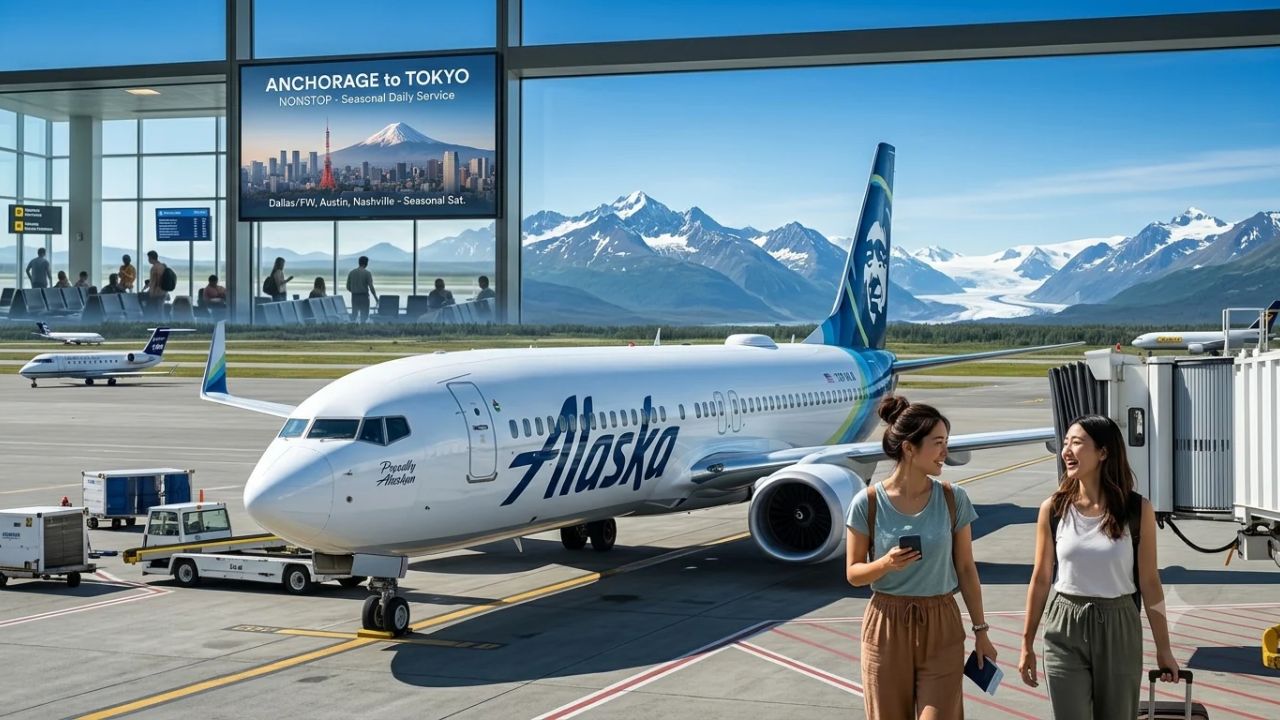
Alaska Airlines Connects Anchorage with Dallas, Austin, and Nashville in Summer 2027 Domestic Network Expansion