Air Astana Leads Kazakhstan Tourism Expansion With New Global Promotion Strategy For 2027

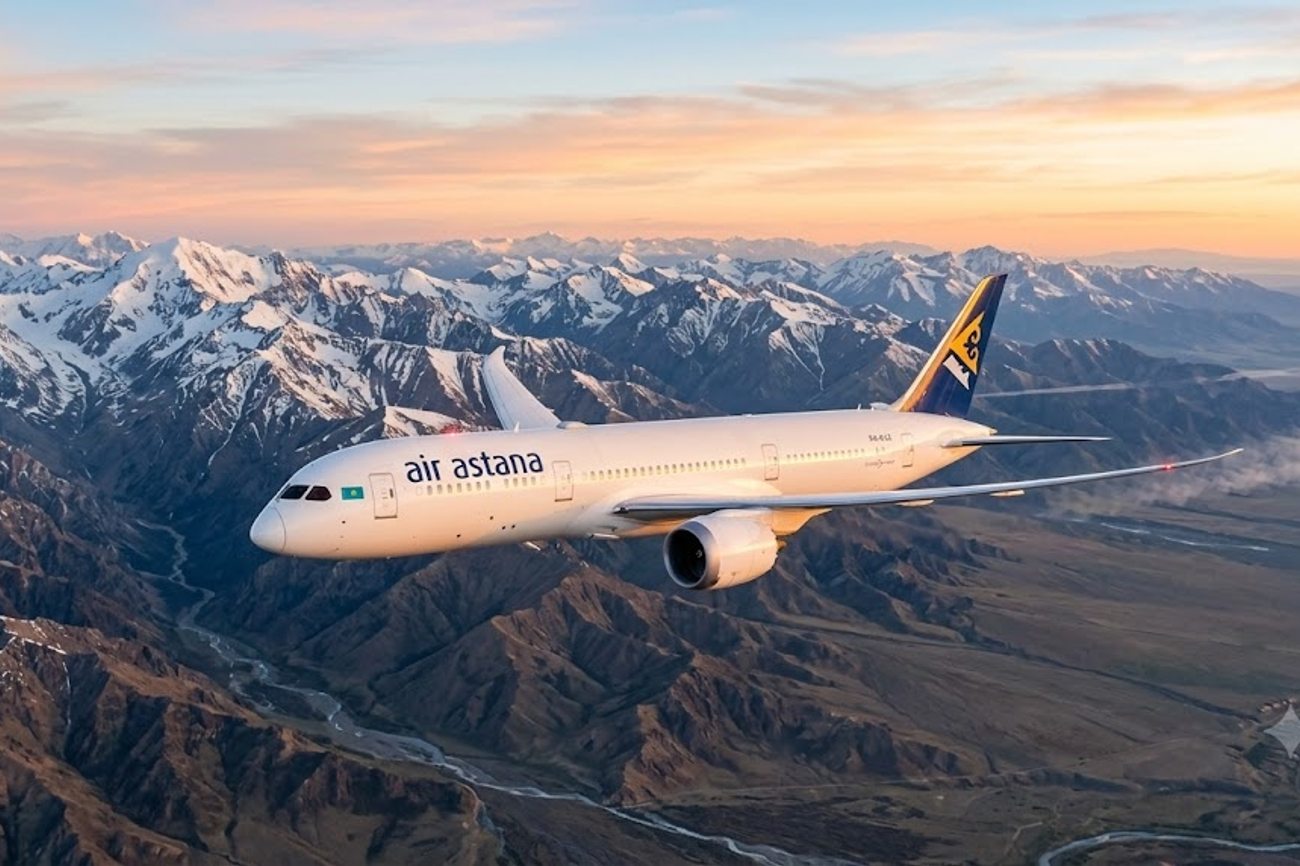
Image generated by AI
date: 2024-05-22 author: Travel Industry Trend Analyst category: Market Analysis --- While Kazakhstan's international arrival numbers have shown steady recovery, the current strategic pivot toward a multi-regional partnership represents a shift from passive growth to an aggressive, state-backed acquisition of market share. This movement aligns with a broader Central Asian trend where national carriers are no longer merely transport providers but are acting as primary engines for GDP growth via tourism, mirroring the aggressive expansion strategies seen in the Gulf Cooperation Council (GCC) markets.
The Kazakhstan Connectivity Pivot in Numbers
The recent agreement between Air Astana and Kazakh Tourism is not a standalone marketing pact; it is a structural realignment involving the Akimats of Astana and Almaty, alongside the Almaty, Akmola, and Mangistau regions. By integrating five distinct administrative regions with the national carrier and the tourism board, Kazakhstan is attempting to solve the "last-mile" connectivity gap that has historically hindered Central Asian tourism.
The objective is explicitly tied to Kazakhstan’s 2027 tourism goals. This timeframe suggests a three-year acceleration phase designed to scale inbound volume. The operational focus is split between improving domestic air transportation—which allows international arrivals to move beyond the Almaty and Astana hubs—and implementing international marketing strategies. This is a data-driven response to the fact that international visitors to the region typically cluster in primary cities, leaving the vast cultural and natural assets of regions like Mangistau underutilized.
By pooling marketing, communication, and operational resources, the partnership aims to synchronize B2B networking and familiarization tours. This is a strategic move to increase the "agentability" of Kazakhstan. When a national carrier like Air Astana aligns its route planning with the promotional calendars of the Akimats, the result is a reduction in friction for the international tour operator. This systemic approach is essential for moving the needle on visitor counts, as indicated by global tourism trends tracked by the World Tourism Organization (UNWTO), which show that coordinated public-private partnerships are the primary driver for emerging destination growth.
Central Asian Market Comparative Context
The Kazakhstan model of "Carrier-State Synergy" is a reaction to the competitive landscape of Central Asia. For years, Uzbekistan has aggressively liberalized its visa regimes to capture the lion's share of the Silk Road tourist market. Kazakhstan is now countering this by leveraging Air Astana's operational scale to create a seamless entry-to-interior pipeline.
Historically, the challenge for Kazakhstan has been the geographic dispersion of its attractions. A traveler landing in Almaty often finds the transition to the Caspian coast of Mangistau or the steppes of Akmola fragmented. The new partnership seeks to standardize the "global standard of service" across the entire customer journey, effectively treating the five regions as a single, integrated product.
The following table illustrates the strategic shift in Kazakhstan's approach to tourism development:
| Metric/Focus | Previous Model (Fragmented) | New Partnership Model (Integrated) | Strategic Impact |
|---|---|---|---|
| Marketing Execution | Independent regional campaigns | Unified joint initiatives | Higher brand consistency |
| Connectivity | Hub-centric (Astana/Almaty) | Integrated domestic air network | Increased regional dispersion |
| Resource Allocation | Siloed budgets | Pooled operational resources | Economies of scale in B2B |
| Targeting | General international outreach | Research-backed priority markets | Higher conversion rates |
| Service Standard | Variable by region/provider | Unified "Global Standard" | Improved NPS (Net Promoter Score) |
This shift is reflective of a wider trend in the aviation industry where airlines are becoming destination developers. According to data from IATA, the integration of air transport with destination marketing leads to a measurable increase in average length of stay (ALOS), as travelers are more likely to explore secondary cities when the air connectivity is guaranteed and promoted as a package.
Practical Traveler Advisory and Strategic Insights
For the individual traveler, this institutional alignment will manifest as a significant reduction in the complexity of planning a Kazakhstani itinerary. The focus on "domestic air transportation" suggests that we will see more streamlined flight connections and potentially more competitive pricing on inter-regional hops.
If you are planning a visit to Kazakhstan in 2025 or 2026, the data suggests the following actionable strategies:
- Diversify Beyond the Hubs: With the Akimats of Mangistau and Akmola now directly involved in the marketing loop, expect new, curated tour packages that make the Caspian coast and northern steppes more accessible. These regions are likely to see a surge in infrastructure investment.
- Monitor Air Astana Route Expansions: The commitment to "growth of international air travel" implies that Air Astana will likely add new direct frequencies or destinations to feed these five priority regions. Booking flights directly through the carrier will likely offer the most seamless integration with the new regional tourism initiatives.
- Anticipate "Familiarization" Pricing: As the partnership launches roadshows and B2B networking events, international travel agencies will be more equipped to offer competitive "early adopter" packages to Kazakhstan. Now is the time to engage with specialized Central Asian operators who are receiving these new familiarization tours.
Air Astana is set to lead Kazakhstan's tourism expansion with a new global promotion strategy for 2027, focusing on increasing international arrivals and showcasing the country's unique cultural heritage. As part of this initiative, the airline will be launching new routes and increasing frequencies to key destinations, with more information available on their official website. This move is expected to boost tourism revenue and promote Kazakhstan as a premier travel destination. 4. Leverage Digital Integration: The focus on "digital marketing campaigns" means that visa processing and itinerary planning are likely to become more digitized and user-friendly, reducing the administrative burden for non-CIS passport holders.
Forward Projection: The 2027 Trajectory
Based on the current trajectory, Kazakhstan is positioning itself to be the primary transit and destination hub for the "Middle Corridor" of trade and tourism. By 2027, the success of this partnership will be measured by the percentage of international arrivals that venture beyond the Almaty-Astana corridor.
We can expect a shift in aircraft utilization. To support the "improved domestic air transportation" goal, Air Astana may reallocate smaller, more efficient aircraft to regional routes, increasing frequency while maintaining load factors. This mirrors the "hub-and-spoke" refinement seen in European carriers but applied to a vast landmass.
Furthermore, the emphasis on "research to identify and target key priority markets" suggests a move away from general tourism toward high-yield segments. We will likely see targeted campaigns aimed at the luxury adventure market in North America and the cultural heritage market in East Asia. If the partnership successfully synchronizes the operational resources of the five regions, Kazakhstan could see a year-over-year increase in tourist spend per capita, as visitors are encouraged to stay longer and travel further.
The ultimate goal is a virtuous cycle: increased air connectivity leads to higher visitor volumes, which justifies further infrastructure investment in the regions, which in turn creates more demand for Air Astana’s network. This is a textbook example of integrated destination management.
FAQ: Kazakhstan Tourism Expansion 2027
Will flight prices to Kazakhstan increase due to this partnership? Initially, prices may remain stable or decrease as Air Astana seeks to stimulate demand for new regional routes. However, as the 2027 goals attract more international volume, peak-season pricing will likely rise due to increased demand.
Which regions should I prioritize visiting first? The partnership specifically highlights Almaty, Astana, Akmola, and Mangistau. Mangistau is particularly noteworthy for those seeking unique landscapes, as it is a primary focus of the new connectivity push.
Is this a good time to book a trip to Kazakhstan? Yes. We are currently in the "infrastructure build" phase of this strategy. Travelers can now benefit from increasing accessibility before the destination reaches the peak capacity envisioned for 2027.
Which airlines are expanding in this region? Air Astana is the primary driver of this specific initiative. However, the overall improvement in domestic connectivity will likely make it easier to combine flights from other international carriers with local Air Astana connections.
The convergence of state administration and aviation logistics is transforming Kazakhstan from a transit point into a primary destination.
Related Travel Guides
This article is for informational purposes. Flight routes, passenger regulations, visa rules, and transit advisories are subject to change by airlines and aviation authorities. Readers are advised to verify schedules and travel documentation with relevant carriers and border agencies before departure.
Related Stories

European Mass Protests Disrupt Travel Across France, Italy, Belgium, and Turkey in 2026

The Best Things to Do in Vero Beach with Family: A Local Parent & Traveler's Guide