
Italy’s Rome Advances Travel Intelligence Through Airport Traveller Flow Analysis and Tourism Promotion
Italy’s Rome Advances Travel Intelligence Through Airport Traveller Flow Analysis and Tourism Promotion

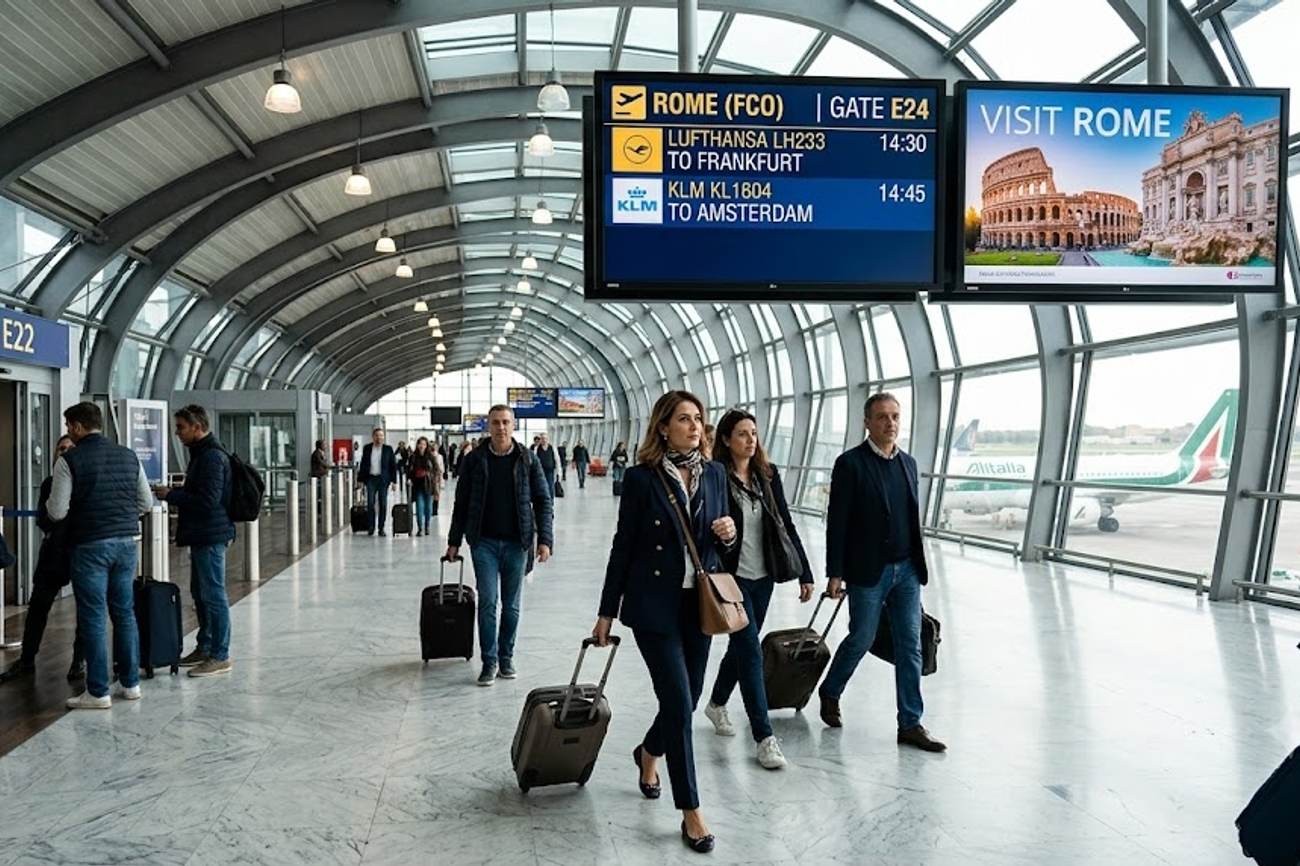
Image generated by AI
[Rome, May 2024] — The Italian Ministry of Tourism is launching a comprehensive tourism intelligence framework designed to transform the nation's airports into strategic data hubs for traveler-flow analysis and destination marketing.
The initiative, developed in partnership with ATRI (the association representing the travel retail sector), seeks to move beyond the traditional view of airports as mere transit points. By integrating passenger behavior data with retail insights and government promotional strategies, Italy aims to capture real-time intelligence on international visitor preferences the moment they touch down or prepare to depart.
The Integration of Travel Retail and State Policy
The immediate catalyst for this shift is a formal cooperation agreement between the Italian Ministry of Tourism and ATRI. This partnership acknowledges that travel retail operators possess a unique, untapped vantage point: they interact with millions of passengers in a high-engagement environment.
By bridging the gap between the commercial retail space and national tourism policy, the Italian government intends to analyze exactly how visitors navigate airport terminals and which destination messages trigger the most interest. This represents a pivot from "pre-trip" marketing—such as digital ads and travel agency partnerships—to "in-journey" engagement, where travelers are already in a travel-oriented mindset.
Markets and Infrastructure Impacted
The scope of this intelligence gathering extends across the entire Italian aviation network, with a heavy emphasis on primary gateways. The following entities and regions are central to the rollout:
- Rome (FCO/CIA): Serving as the administrative epicenter, Rome is the headquarters for the Ministry of Tourism and the primary testing ground for these national policies.
- The Italian Airport Network: All major hubs will serve as operational environments for analyzing passenger movement patterns and deploying targeted promotional content.
- Travel Retail Operators: Businesses operating within terminals are transitioning from simple vendors to strategic partners providing data on consumer interests and international mobility.
- Regional Tourism Boards: Lesser-known Italian provinces will benefit from the ability to push targeted advertisements to passengers based on real-time flow data.
Practical Traveler Advisory and Strategic Insights
For the average passenger, this initiative will not change the physical act of flying, but it will fundamentally alter the information ecosystem within the terminal.
Personalized Information Access Instead of generic tourism brochures, travelers can expect more dynamic, data-driven information regarding cultural experiences and regional attractions. The goal is to provide the right information at the exact moment a traveler is most receptive to it.
Diversification of Destinations Italy is currently struggling with "over-tourism" in primary hubs. By using flow analysis, the government can identify when a passenger is arriving and steer them toward under-visited regions. This means travelers may see more promotions for "hidden gem" destinations, potentially reducing crowds in cities like Venice or Florence.
Enhanced Retail Integration The shopping experience will likely merge with tourism discovery. Travelers may find that retail spaces now double as information kiosks or interactive hubs where purchasing a local product leads to a recommendation for a specific regional vineyard or museum.
The Shift Toward Destination Intelligence
The long-term objective is the creation of a "Destination Intelligence Platform." This moves Italy away from guesswork and toward a scientific model of tourism management. By analyzing where passengers arrive from and how they move through the airport, the Ministry can identify emerging trends before they manifest in hotel booking data.
The intelligence model focuses on five critical data vectors:
- Movement Patterns: Mapping how visitors traverse the terminal to optimize the placement of tourism kiosks.
Rome's airport, Leonardo da Vinci–Fiumicino Airport, has implemented advanced traveller flow analysis to enhance the travel experience, reducing wait times and increasing efficiency. For more information on flight schedules and airport facilities, visit the official ADR website to plan your trip. This initiative is part of a broader effort to promote tourism in Rome, showcasing the city's rich history and culture to visitors from around the world. 2. Behavioral Analysis: Tracking which international demographics respond to specific types of cultural messaging. 3. Communication Channels: Determining whether digital screens, physical signage, or retail staff are the most effective conduits for information. 4. Retail Interaction: Using purchase history in airport shops to infer visitor preferences (e.g., a high volume of luxury leather purchases may correlate with a preference for high-end fashion tours). 5. Seasonal Trends: Adjusting promotional strategies in real-time based on the nationality and volume of arriving passengers.
This data-centric approach allows the Italian government to manage demand more effectively, ensuring that tourism growth is sustainable and distributed across the country rather than concentrated in a few saturated zones.
FAQ: Italy Airport Tourism Intelligence 2024
Will my personal data be tracked when I walk through an Italian airport? The initiative focuses on "traveler-flow analysis," which typically involves aggregated, anonymized data regarding movement patterns and consumer behavior rather than individual surveillance.
How does this benefit someone who has already planned their trip? The system is designed to suggest "last-minute" additions to itineraries, such as regional excursions or cultural events, based on the traveler's profile and current trends.
Which airports will implement this first? While the strategy is national, Rome is the primary hub for the Ministry of Tourism, making the capital's airports the most likely starting points for these intelligence integrations.
Does this mean more advertisements in the airport? Not necessarily more, but more targeted advertisements. The goal is to replace generic noise with relevant information that matches the traveler's interests.
Italy is turning the airport terminal into a living laboratory for the future of global tourism.
Related Travel Guides
- Kona Village Hawaii Earns Third Straight Three MICHELIN Key Honour For Luxury Hospitality
- France Railway Travel Gets Smarter as Paris and Lyon Travellers Use SNCF Live Updates to Manage Disruptions
- Wales Draws Millions of Domestic Tourists but International Tourism Recovery Still Trails England and Scotland
Disclaimer
This article is for informational and educational purposes only. It does not constitute legal, financial, or professional advice. While we strive to provide accurate and up-to-date information, travel policies, regulations, and conditions change rapidly. Always verify information with official sources before making travel decisions. Nomad Lawyer makes no representations about the accuracy, reliability, completeness, or suitability of the information provided. Readers should consult qualified professionals for advice specific to their circumstances. The views expressed in this article are those of the author and do not necessarily reflect the views of Nomad Lawyer.
Raushan Kumar
Founder & Lead Developer
Full-stack developer with 11+ years of experience and a passionate traveller. Raushan built Nomad Lawyer from the ground up with a vision to create the best travel and law experience on the web.
Learn more about our team →