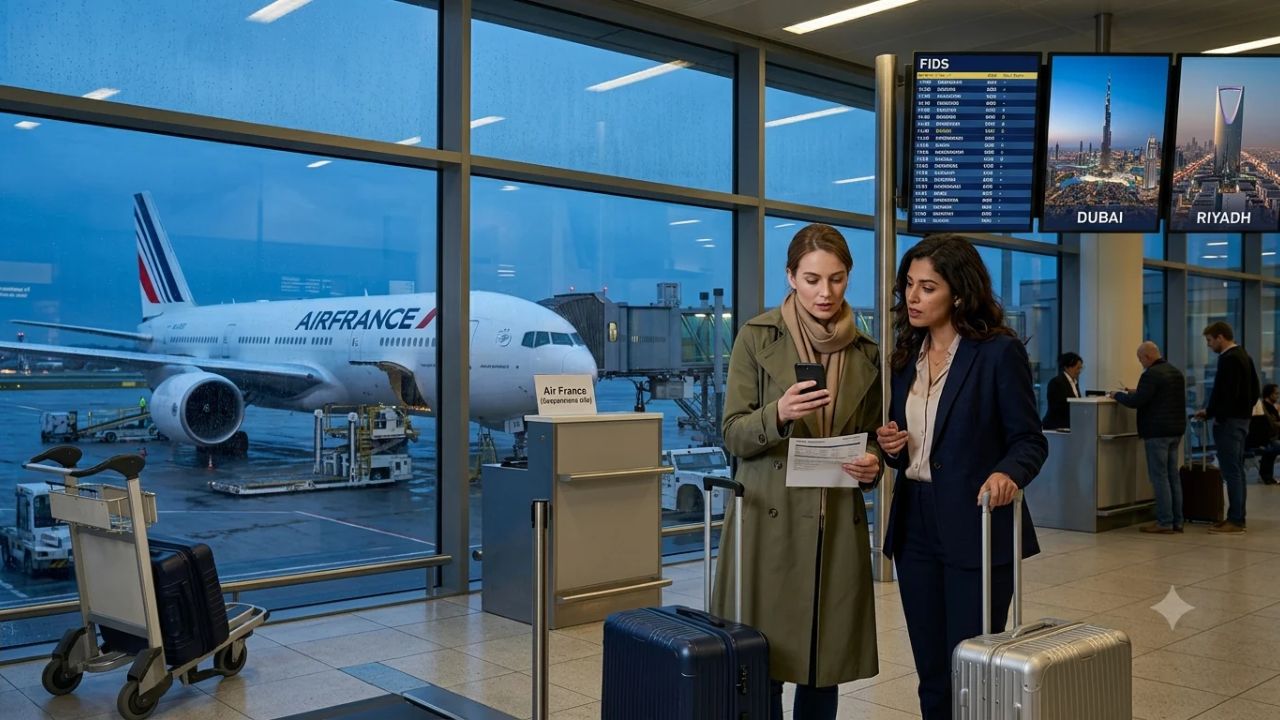
Mid-Air Diversions Surge as Unruly Passenger Incidents Force Two Major Airlines Off Course

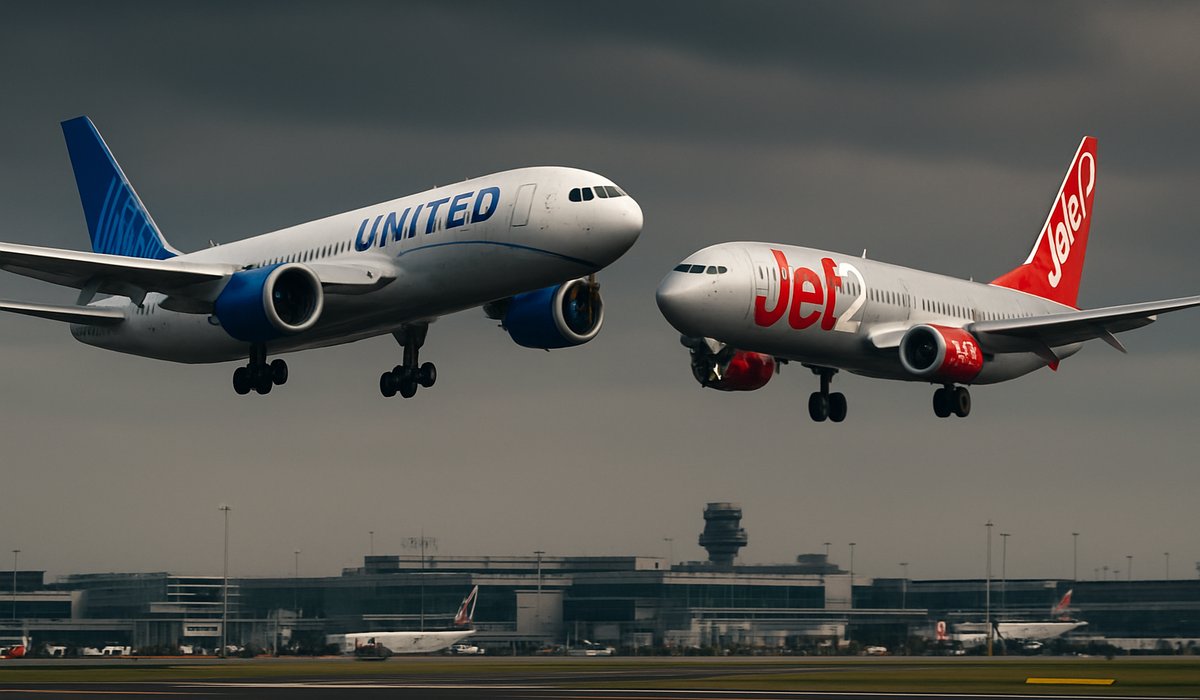
Image generated by AI
Escalating behavior on international flights prompts emergency landings for United Airlines and Jet2, raising fresh concerns about aviation safety standards and passenger conduct
Two Emergency Diversions in Single Week Signal Growing Cabin Discipline Crisis
Two major carriers were forced to execute unscheduled landings this week following severe passenger disturbances that rendered continued flight operations untenable. The incidents underscore mounting challenges facing the aviation industry as disruptive behavior continues to test crew protocols and flight safety procedures across international routes.
A United Airlines flight operating toward Chicago O'Hare International Airport was diverted to Boston Logan International following an onboard passenger altercation that required crew intervention and physical restraint. Simultaneously, a Jet2 service traveling from Turkey to the United Kingdom was forced down in Bulgaria after a heavily intoxicated passenger engaged in threatening conduct toward both flight personnel and fellow travelers, including incidents involving abusive language of a racist and homophobic nature.
Rising Pattern of In-Flight Disruptions Challenges Carrier Operations
The back-to-back diversions reflect an increasingly troubling trend within commercial aviation. Airlines worldwide have reported substantial upticks in passenger misconduct incidents, straining crew resources and creating operational complications that extend beyond the immediate flight—including fuel surcharges, crew repositioning costs, and cascading schedule disruptions across networks.
These diversions carry significant financial and logistical consequences. Emergency landings necessitate unexpected fuel consumption, airport fees, passenger accommodation arrangements, and investigative procedures involving law enforcement. Airlines absorb these costs while managing reputational damage and potential regulatory scrutiny.
Industry Grapples with Enforcement and Prevention Strategies
Both United Airlines and Jet2 have maintained established protocols for managing unruly passengers, including crew de-escalation training and collaboration with aviation authorities. However, the frequency of such incidents has prompted calls from industry stakeholders for standardized, more stringent penalties and coordinated international enforcement mechanisms.
Aviation authorities across jurisdictions have escalated warnings regarding passenger conduct violations. The Federal Aviation Administration in the United States and European aviation regulators have implemented stricter reporting requirements and coordinated with airlines to identify repeat offenders and ban them from future flights.
Broader Implications for Airlines and Travelers
These incidents contribute to mounting operational costs for carriers already managing historically volatile jet fuel prices and post-pandemic capacity challenges. The expenses associated with managing passenger disruptions—including diversions, additional security protocols, and potential legal proceedings—are increasingly factored into airline business models, with some carriers absorbing costs while others consider passing expenses to customers through adjusted fares and enhanced service fees.
FAQ: Understanding Airline Diversions and Passenger Conduct
What causes mid-air flight diversions? Diversions occur when safety or security threats emerge inflight. These include medical emergencies, severe weather, mechanical concerns, or unruly passenger behavior requiring immediate landing rather than continuing to the scheduled destination.
How do airline baggage charges relate to operational costs? Airlines levy baggage fees and ancillary charges partly to offset operational expenses including fuel surcharges, crew training for incident management, and emergency protocol implementation costs.
Are disruptive passengers banned from future flights? Yes—airlines maintain no-fly lists, and repeat offenders or those involved in serious incidents face permanent or extended flying bans across multiple carriers through shared aviation databases.
What legal consequences exist for unruly passengers? Jurisdiction-dependent penalties range from civil fines (up to $37,000 in the U.S.) to criminal prosecution, imprisonment, and permanent aviation bans depending on incident severity.
How do jet fuel prices influence airline service standards? Rising fuel costs compress airline profit margins, potentially reducing investments in cabin crew training and passenger management infrastructure, while increasing pressure to implement cost-recovery fees.
Related Travel Guides
- EasyJet Slashes European Routes as Iran Conflict and Strait of Hormuz Tensions Trigger Global Jet Fuel Crisis, Sparking Widespread Flight Cancellations, Airport Disruptions, and Economic Travel Chaos Across Israel, the UK, and Europe: Latest Airline News and Aviation Updates
- Lufthansa's Award-Winning First Class Suite Faces Passenger Backlash Despite Design Accolade
- Miami's Second Airport Plan Advances Despite $9 Billion Modernization of Primary Hub
This article is for informational purposes. Flight routes, passenger regulations, visa rules, and transit advisories are subject to change by airlines and aviation authorities. Readers are advised to verify schedules and travel documentation with relevant carriers and border agencies before departure.
Related Stories
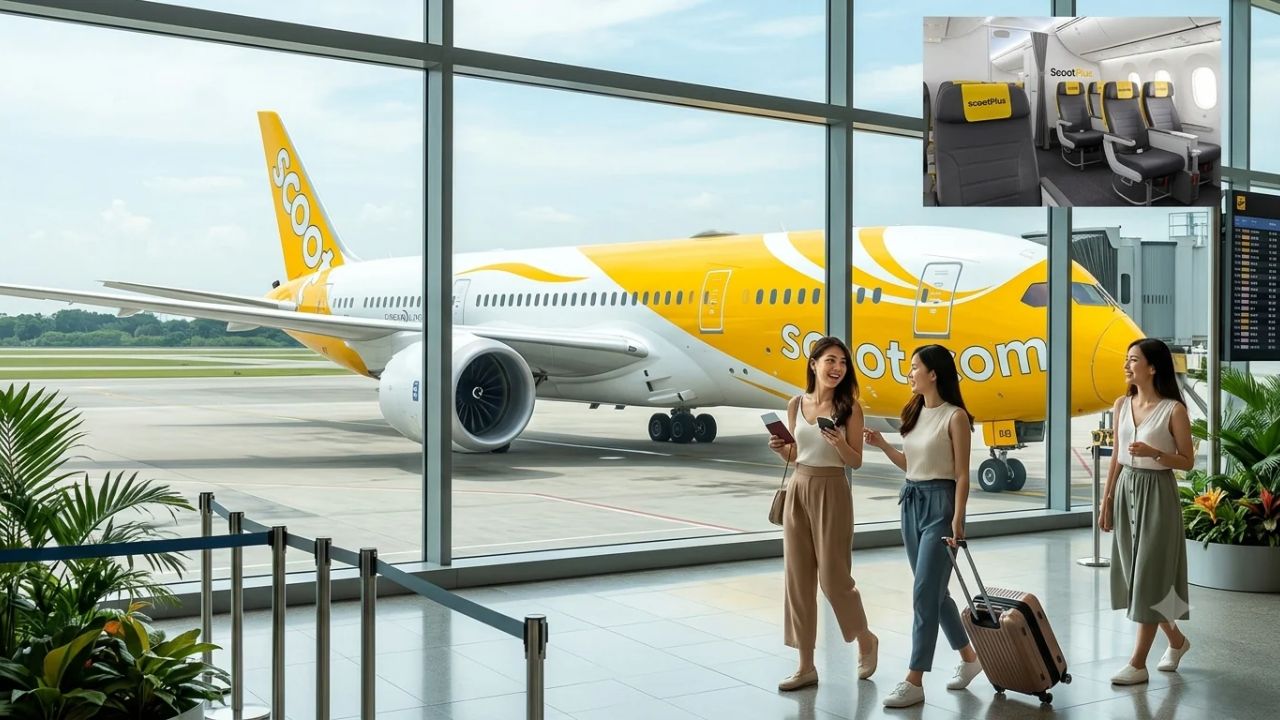
Ultra-Comfortable Budget Flights: How Singapore, Japan, Malaysia, and Spain Are Redefining Long-Haul Low-Cost Air Travel
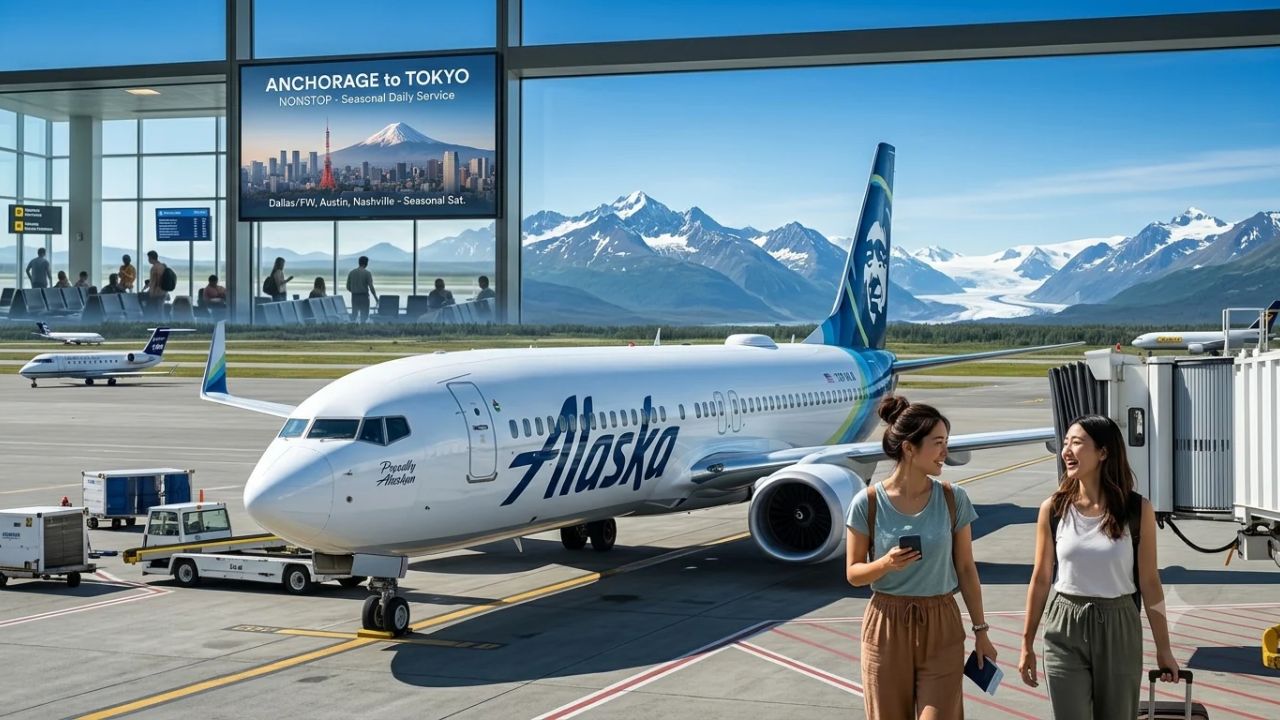
Alaska Airlines Connects Anchorage with Dallas, Austin, and Nashville in Summer 2027 Domestic Network Expansion