
Airport Shortest Walking Distance: U.S. Hub Wins Efficiency Award
Discover which U.S. airport shortest walking distances in 2026. This compact terminal design minimizes entrance-to-gate walks, setting new standards for traveler efficiency and comfort.

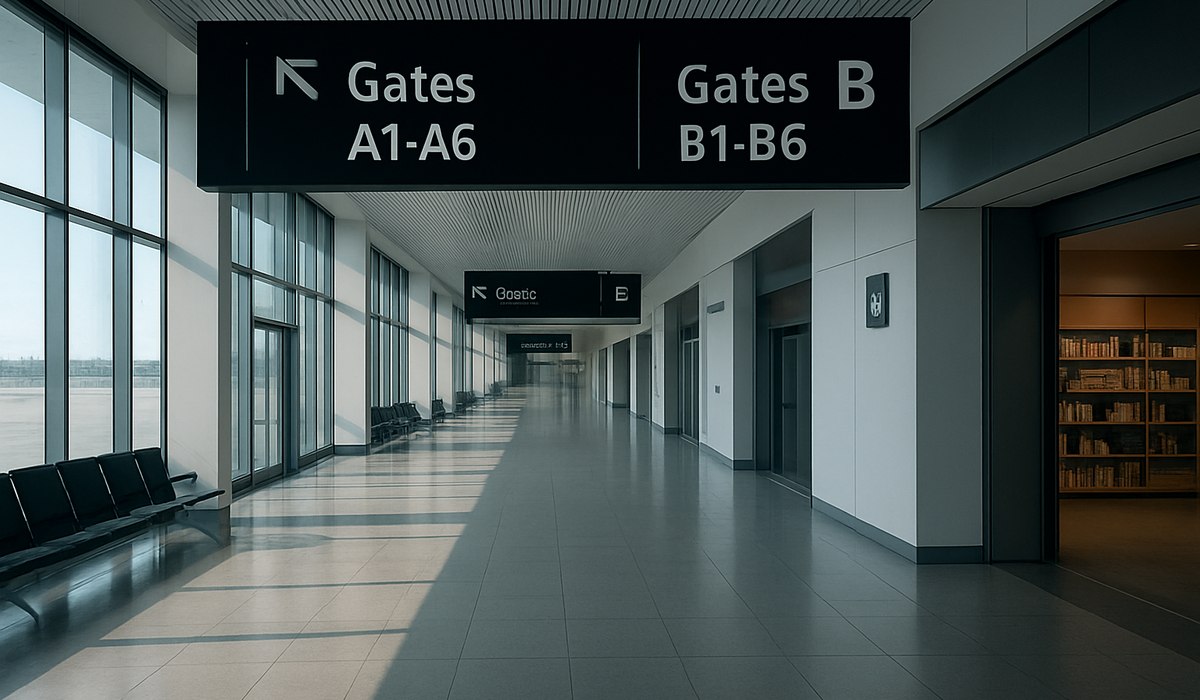
Image generated by AI
The Compact U.S. Airport Redefining Traveler Efficiency
Regional airports across America increasingly prioritize passenger comfort through innovative terminal design. One standout facility has emerged as a traveler's dream, offering among the shortest airport shortest walking distances from main entrance to boarding gate. This architectural advantage transforms the pre-flight experience, eliminating the exhausting treks familiar to passengers navigating sprawling major hubs. Airlines operating at this compact terminal benefit from faster turnarounds, while passengers experience reduced fatigue before boarding.
The distinction matters significantly for business travelers, families, and those with mobility challenges. Modern airport design now recognizes walking distance as a critical performance metric, directly impacting passenger satisfaction and operational efficiency.
Which U.S. Airport Has The Shortest Walking Distance?
Several regional and mid-size U.S. airports have invested in terminal layouts that minimize passenger travel. These facilities typically feature centralized gate arrangements, eliminating long corridors and multiple security checkpoints. Key characteristics include direct security-to-gate pathways, fewer terminal splits, and consolidated baggage claim areas.
Regional carriers have strategically positioned operations at these efficient hubs. The architectural designs reflect 21st-century passenger expectations, where time and physical strain matter equally. Airlines including Southwest, Delta, and United maintain significant presences at airports prioritizing compact layouts.
Passenger volumes at these airports range from 5-15 million annually, striking an ideal balance between traffic volume and manageable infrastructure. The operational efficiency translates to faster boarding sequences, reduced aircraft turnaround times, and higher customer satisfaction scores. Gate proximity directly impacts airline scheduling, allowing multiple flights per aircraft daily.
Why Compact Airports Matter for Travelers
Walking distance significantly impacts airport satisfaction ratings. Studies consistently show that passengers using compact terminals report higher comfort levels and reduced pre-flight stress. The airport shortest walking challenge affects elderly travelers, parents managing children, and travelers with luggage most severely.
Compact airport designs reduce several pain points. Security lines move faster through centralized facilities. Retail and dining options concentrate in smaller areas, simplifying navigation. Connecting flights require minimal time between gates, reducing missed connection anxiety. Travelers with tight layovers benefit tremendously from efficient layouts.
Airlines operating at these facilities report improved on-time performance metrics. Ground crew can prepare aircraft faster when distances decrease. Maintenance access becomes more straightforward with rationalized terminal layouts. The cumulative effect creates measurable improvements in operational punctuality across schedules.
For nomadic professionals and frequent flyers, efficiency translates to meaningful time savings. Every minute saved contributes to smoother transitions between flights, appointments, and destinations.
How This Airport Compares to Major Hubs
Major international airports like Atlanta, Dallas-Fort Worth, and Los Angeles employ sprawling designs accommodating 80+ million passengers annually. These facilities necessitate lengthy concourses, multiple terminals, and sometimes tram systems for inter-terminal movement. Walking distances commonly exceed half a mile from security to remote gates.
Compact regional airports achieve dramatically different metrics. Terminal footprints measure 200,000-400,000 square feet compared to major hubs exceeding 2 million square feet. Gate counts typically range from 8-30 compared to major hubs with 100+ gates. Average entrance-to-gate walks measure 5-10 minutes versus 20-35 minutes at large facilities.
Airlines optimize scheduling at efficient facilities through faster aircraft turnarounds. Regional markets served by efficient airports often feature more frequent daily flight options. Direct flights become economically viable for airlines when gate processing accelerates. Passengers benefit from increased route availability and competitive pricing.
The efficiency premium extends beyond walking distance. Parking navigation simplifies at smaller facilities. Rental car procedures expedite with streamlined processes. Ground transportation coordination becomes more manageable with centralized operations.
Tips for Navigating Other U.S. Airports
Efficient navigation at any U.S. airport begins with pre-flight research. Check FlightAware for real-time gate assignments and terminal information before arriving. Terminal layouts vary significantly; advance study prevents confusion.
Arrive early during peak travel windows. Security lines at regional airports typically process faster than major hubs, but arrival buffer times remain important. Download airport maps to your mobile device for offline reference. Many airports provide printed terminal guides at information desks.
Wear comfortable footwear suitable for walking. Even compact facilities require movement between check-in, security, and gates. Strategic seating near gates ensures quick boarding responses. Monitor airport displays for gate changes, which can add unexpected walking distances.
Mobility challenges require special planning. Request assistance from airlines in advance for reduced walking scenarios. Airport staff can arrange wheelchair navigation or golf cart transfers between distant areas. Contact US DOT for passenger assistance information.
Key Data: Walking Distance and Airport Efficiency Metrics
| Metric | Compact Regional Airport | Major Hub Airport | Difference |
|---|---|---|---|
| Average Entrance-to-Gate Distance | 800-1,200 feet | 2,500-4,000 feet | 65-70% shorter |
| Typical Walking Time | 5-8 minutes | 20-35 minutes | 15-27 min. faster |
| Terminal Square Footage | 200,000-400,000 | 2,000,000+ | Significantly smaller |
| Number of Gates | 8-30 | 100-150+ | 80-90% fewer |
| Annual Passenger Volume | 5-15 million | 80-150 million | Much higher |
| Security Checkpoint Count | 1-3 | 8-12+ | Centralized |
What This Means for Travelers: Action Checklist
Understanding airport efficiency directly improves your travel experience. These actionable steps optimize navigation at any U.S. facility.
-
Research your airport layout — Visit the airport website before traveling. Download terminal maps and gate location guides for offline access.
-
Monitor flight status continuously — Check FlightAware for gate assignments and real-time updates throughout your journey.
-
Plan arrival timing strategically — Factor in parking, check-in, and security procedures specific to your airport's layout and current traffic volume.
-
Identify key facilities in advance — Locate restrooms, dining options, phone charging stations, and seating areas during your initial orientation.
-
Request mobility assistance early — Contact your airline 24 hours prior if you require assistance with walking distances or need special accommodations.
-
Allow buffer time for gate changes — Unexpected gate reassignments may require unexpected walking. Build flexibility into your pre-flight schedule.
-
Utilize airport services for efficiency — Mobile check-in, mobile boarding passes, and curbside services reduce ground navigation requirements.
-
Track regulations and updates — Review FAA guidelines and airport-specific protocols, which change seasonally and during peak travel periods.
Frequently Asked Questions
What is the average walking distance in U.S. airports? Major U.S. airports average 2,500-4,000 feet from security checkpoints to gates. Compact regional airports typically measure 800-1,200 feet. Distance varies significantly by terminal layout, gate assignments, and specific facility design. Efficient airports reduce this considerably through centralized operations.
How can I find airports with shorter walking distances? Research regional and mid-size airports serving your destination. Check airport websites for terminal maps highlighting gate locations relative to security checkpoints. Compact facilities typically feature all gates in single terminals with minimal inter-terminal movement required for connections.
Do compact airports handle all flight types? Smaller efficient airports primarily serve regional aircraft and mid-size jets. Major international carriers use larger hubs for wide-body equipment. However, many compact airports host growing service from major carriers operating regional aircraft on profitable routes.
How do walking distances affect flight connections? Efficient airports reduce connection times from 60 minutes to
Disclaimer
This article is for informational and educational purposes only. It does not constitute legal, financial, or professional advice. While we strive to provide accurate and up-to-date information, travel policies, regulations, and conditions change rapidly. Always verify information with official sources before making travel decisions. Nomad Lawyer makes no representations about the accuracy, reliability, completeness, or suitability of the information provided. Readers should consult qualified professionals for advice specific to their circumstances. The views expressed in this article are those of the author and do not necessarily reflect the views of Nomad Lawyer.
Preeti Gunjan
Contributor & Community Manager
A passionate traveller and community builder. Preeti helps grow the Nomad Lawyer community, fostering engagement and bringing the reader experience to life.
Learn more about our team →