Premium Economy Comfort Reaches New Heights: Five Leading Airlines Set the Standard for Spacious Budget Travel in 2026

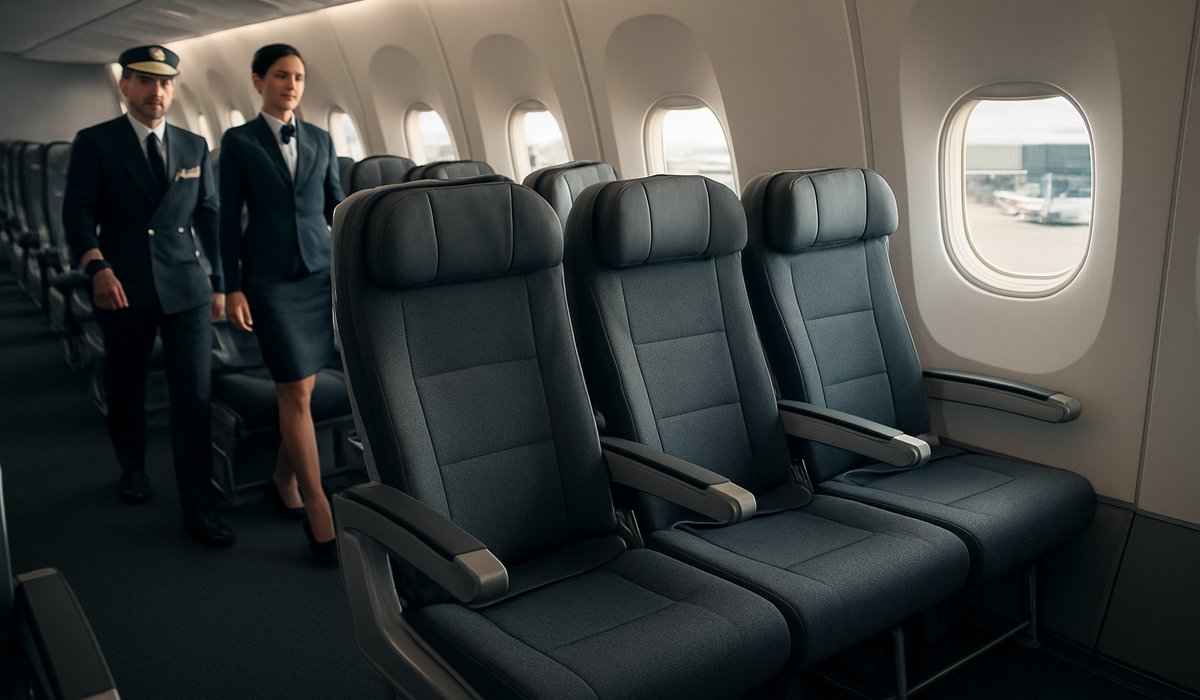
Image generated by AI
As carriers compete fiercely for cost-conscious travelers, Japan Airlines, Cathay Pacific, and three other Asian powerhouses are redefining what economy class passengers should expect
The Shift Toward Passenger Comfort Amid Rising Travel Demand
The aviation industry is witnessing a significant recalibration in how major carriers approach economy-class seating configurations. According to Skytrax's latest assessment of global airline rankings, five carriers have emerged as frontrunners in delivering generous legroom and superior comfort standards to budget-conscious travelers—a competitive advantage becoming increasingly critical as airlines navigate post-pandemic recovery and shifting passenger expectations.
Japan Airlines, Cathay Pacific Airways, Korean Air, Singapore Airlines, and Qatar Airways have collectively established themselves as the gold standard for economy-class offerings in 2026, fundamentally challenging the industry's long-standing assumption that budget fares must equate to minimal comfort.
Why Airlines Are Investing in Spacious Economy Configurations
The competitive pivot toward expanded economy seating reflects broader industry trends. As carriers face mounting pressure to justify premium ticket prices amid volatile jet fuel costs and economic uncertainty across key markets, differentiation through passenger experience has become a critical business strategy. Rather than relying solely on baggage fees and ancillary revenue, leading airlines are recognizing that superior seat pitch and cabin comfort drive customer loyalty and repeat bookings.
"The economy traveler is no longer willing to accept cramped conditions as an inevitable trade-off," industry analysts note, pointing to increased market share gains among carriers prioritizing passenger welfare.
The Top Five Performers: A Regional Advantage
The dominance of Asia-Pacific carriers—Japan Airlines, Cathay Pacific, Korean Air, and Singapore Airlines—alongside Middle Eastern competitor Qatar Airways, underscores regional leadership in aviation service standards. These five have strategized beyond basic seating dimensions, implementing wider seats, improved cushioning, and enhanced cabin layouts that maximize usable space without sacrificing aircraft capacity.
The remaining top-ten contenders—including All Nippon Airways (ANA), Emirates, STARLUX, China Airlines, and Malaysia Airlines—further demonstrate Asia's commanding position in reshaping passenger expectations globally.
Industry-Wide Implications
This competitive elevation of economy-class standards carries significant implications for traditional carriers slower to modernize cabin configurations. As premium-economy pricing grows increasingly saturated, the expanded economy segment represents untapped revenue potential for forward-thinking operators willing to invest in passenger experience as a differentiation tool.
FAQ: Economy Seating and Airline Competition
Which airlines offer the most legroom in economy class for 2026? Japan Airlines, Cathay Pacific Airways, Korean Air, Singapore Airlines, and Qatar Airways currently lead the market in spacious economy seating configurations.
Are wider economy seats worth the extra ticket cost? Premium comfort in budget cabins often justifies slightly higher fares through reduced travel fatigue, improved sleep quality, and enhanced passenger satisfaction metrics.
Why are Asian carriers dominating economy-class rankings? Regional focus on service excellence and longer international routes necessitate superior comfort standards to remain competitive in premium-conscious markets.
How do spacious economy seats impact airline profitability? Enhanced comfort drives customer retention, enables premium pricing strategies, and generates positive brand reputation—offsetting potential capacity reductions.
Which airlines should upgrade their economy seating in response? Legacy carriers with older aircraft configurations face increasing pressure to modernize cabin layouts or risk losing market share to competitors prioritizing passenger welfare.
Related Travel Guides
External Resources
This article is for informational purposes. Flight routes, passenger regulations, visa rules, and transit advisories are subject to change by airlines and aviation authorities. Readers are advised to verify schedules and travel documentation with relevant carriers and border agencies before departure.
Related Stories
easyJet Launches Direct Liverpool to Reykjavik Flights: Inside the North West's New Winter Gateway to Iceland
British Airways Revives Long-Haul Meal Pre-Orders on Las Vegas Flights: Inside the World Traveller Plus Dining Trial