
Ten Iconic Cruise Routes: Exploring Regional Heritage and Wilderness
Discover the world's most scenic cruise routes, from the historical Nile and Rhine Valley to polar expeditions in Antarctica.

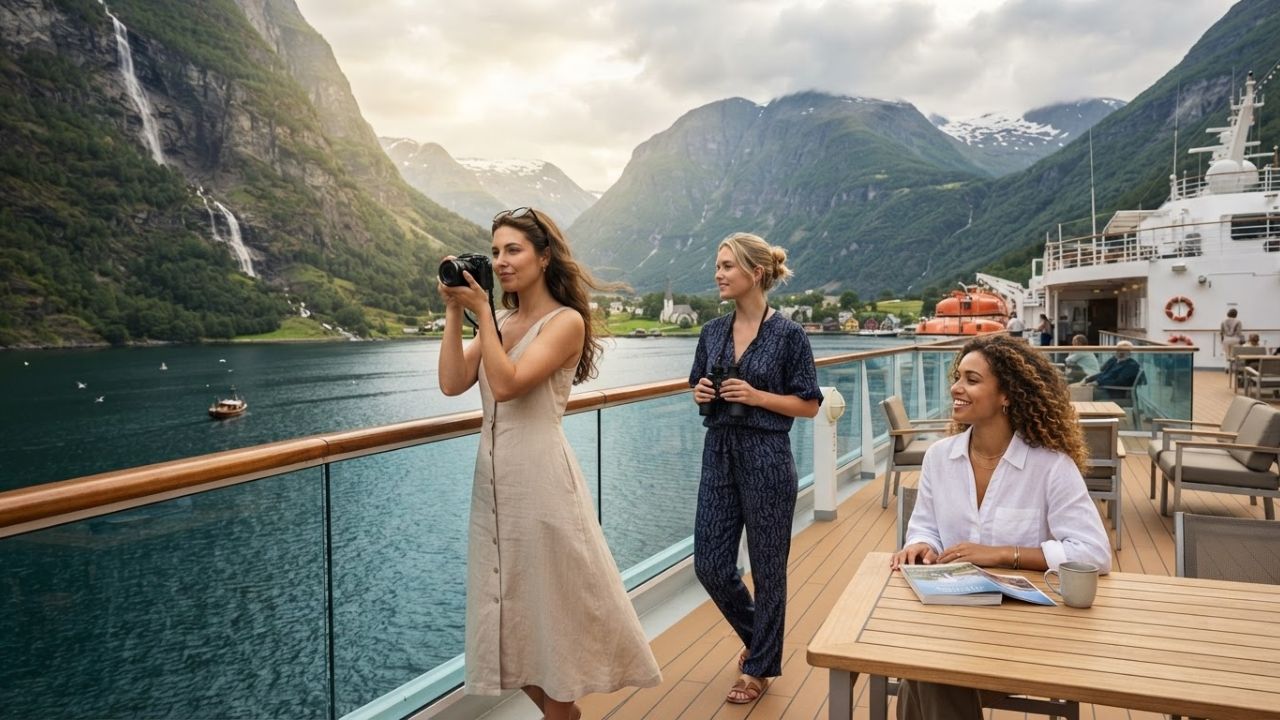
Image generated by AI
Modern cruise itineraries are shifting toward high-value, immersive experiences that connect travelers directly to regional heritage and remote ecosystems, allowing passengers to unpack once while exploring diverse global gateways.
The cruise sector is seeing a transition where the vessel itself becomes an active gateway for cultural education and environmental awareness. For the visitor, the real impact is the ability to bypass the complex logistics of booking multiple hotels, regional flights, and city transfers. By bundling transportation and accommodation into a single journey, travelers can focus entirely on destination discovery, whether exploring urban capitals or pristine natural reserves.
To match traveler interests with the correct itinerary, cruise lines offer a diverse spectrum of routes that target different passions. A traveler focused on archaeology might select a Nile river journey, while a nature enthusiast might choose the rugged shores of Alaska or the dense waterways of the Amazon. Understanding the duration of port stays, shore excursion options, and seasonal variations is key to planning the ideal voyage.
Cultural Classics: The Mediterranean, Rhine Valley, and Egypt's Nile
For travelers seeking a blend of architecture, history, and regional gastronomy, three waterways remain the standard for cultural cruising:
- The Mediterranean: Itineraries connect major ports in Spain, Italy, and Greece. Barcelona serves as an artistic starting point with Antoni Gaudí landmarks such as the Sagrada Família, leading to island stops in Palma de Mallorca, Palermo, and Cagliari, before reaching Greek heritage sites in Athens, Mykonos, and Santorini, alongside coastal access to Rome via the port of Civitavecchia.
- The Rhine Valley: Offering a slower pace, these river cruises navigate medieval settlements, historic castles, and steep vineyards, frequently organized as wine-focused journeys that highlight regional agriculture, local winemaking families, and regional Riesling tastings.
- Egypt’s Nile: Sailing between Luxor and Aswan, a Nile cruise provides direct access to ancient temples, the Valley of the Kings, and archaeological monuments, allowing history enthusiasts to experience Egyptian heritage directly from the water that has sustained it for millennia. Travelers can visit iconic temples at Edfu and Kom Ombo, directly supporting regional conservation work managed by the Egyptian Ministry of Tourism and Antiquities.
Tropical Escapes: French Polynesia, the South Pacific, and the Caribbean
Those prioritizing warm-weather relaxation and coastal environments can choose between three distinct island-hopping corridors:
- French Polynesia: Centered around the volcanic peaks and turquoise waters of Bora Bora, these cruises offer passengers changing views of lagoons and reefs, providing a remote setting focused on natural beauty.
- The South Pacific: Moving beyond established hubs, these voyages access isolated islands and volcanic landscapes, connecting travelers with communities whose daily lives and traditions are closely linked to the ocean.
- The Caribbean: Combining island-hopping with white-sand beaches, these itineraries allow visitors to explore coral reefs, historic coastal towns, and diverse local cuisines across multiple island nations without the need for repeated regional flights. Passengers can support local conservation efforts by booking excursions with certified eco-guides who lead low-impact snorkeling tours on protected reefs.
Untamed Wilderness: Alaska, the Norwegian Fjords, and the Amazon Basin
For travelers who prefer dramatic geology and wildlife observation to sandy beaches, these three wilderness routes offer exceptional natural encounters:
- Alaska: Conventional and expedition ships sail past towering glaciers, steep fjords like Tracy Arm, and coastal forests, offering travelers opportunities to observe humpback whales, seals, bald eagles, and brown bears in their natural habitats.
- Norwegian Fjords: Deep waterways cut through vertical cliffs and waterfalls like the Seven Sisters, providing photographers and nature lovers with shifting perspectives of Norway’s dramatic coastline and remote farming communities.
- The Amazon Basin: Navigating the dense rainforest canopy, these river cruises offer close encounters with pink river dolphins, caimans, and diverse bird species, supporting local indigenous communities that remain inaccessible by traditional roads. Travel operators partner with regional conservation groups to ensure low-impact zodiac excursions.
Polar Extremes: Antarctica and the Expedition Cruise Standard
Antarctica represents the ultimate expedition frontier, drawing travelers who seek polar ice formations, rugged coastlines, and wildlife adapted to one of Earth's harshest environments. Passengers can observe penguins, seals, and whales against a backdrop of massive glaciers.
Given the extreme isolation and fragile ecology of the region, responsible expedition practices are managed through the International Association of Antarctica Tour Operators (IAATO). Passenger capacity plays a major role in the travel experience: vessels carrying 1 to 200 passengers have the most shore landing opportunities, while ships with more than 500 passengers are restricted to scenic cruising only, without landing privileges on the ice. This strict regulation protects delicate nesting sites from overcrowding.
Destination Expert Insider Tips for Antarctica Expedition Cruising
To help travelers prepare for a polar journey and protect Antarctica's fragile wilderness, local destination specialists recommend the following insider tips:
- Follow the Five-Meter Rule: Always maintain a minimum distance of 5 meters (15 feet) from penguins, seals, and other nesting birds. If an animal changes its behavior, vocalizes, or looks alert, slowly and quietly back away to prevent stress, and never block their pathways to the ocean.
- Participate in Biosecurity Inspections: To prevent the introduction of invasive seeds and pathogens, participate in your ship's "biosecurity party" before departure. Vacuum all pockets, cuffs, Velcro straps, and camera gear bags thoroughly, and scrub your boots in disinfectant before and after every landing.
- Protect Polar Moss and Lichens: Mosses and lichens grow extremely slowly in the cold Antarctic climate, taking decades to recover from damage. Stay on marked tracks, walk only on rock or snow, and never step on vegetated terrain or moss beds.
- Respect Avian Influenza Restrictions: Due to bird flu risks, operators may strictly prohibit sitting, kneeling, or laying down on the snow. Keep all backpack gear off the ground and avoid any physical contact with the terrain to avoid spreading biological materials.
- Select Your Vessel Size Carefully: Choose a ship carrying fewer than 200 passengers to ensure maximum landing opportunities. Under IAATO rules, only 100 passengers are allowed ashore at one time per site, so smaller vessels mean less waiting time on the zodiacs.
Strategic Planning for Modern Maritime Exploration
Selecting the right cruise route requires aligning personal interests with the specific pace and focus of the itinerary. River cruises provide close-up views of historic towns and rural agricultural communities, while expedition ocean voyages carry travelers to the most remote places on the planet.
By analyzing the duration of port stays, land excursions, and environmental guidelines, travelers can choose a journey that provides both exceptional value and deep destination discovery. This structured approach helps support regional conservation efforts and local economies, ensuring that the world's most beautiful waterways remain preserved for future generations of maritime travelers. Following guidelines set by groups like IAATO and local park rangers helps maintain a sustainable balance between tourism growth and conservation. For the modern cruise visitor, the real impact is a journey that remains deeply meaningful and responsible, turning passive ocean sightseeing into active environmental stewardship and local cultural appreciation.
Related Travel Guides
Disclaimer
This article is for informational and educational purposes only. It does not constitute legal, financial, or professional advice. While we strive to provide accurate and up-to-date information, travel policies, regulations, and conditions change rapidly. Always verify information with official sources before making travel decisions. Nomad Lawyer makes no representations about the accuracy, reliability, completeness, or suitability of the information provided. Readers should consult qualified professionals for advice specific to their circumstances. The views expressed in this article are those of the author and do not necessarily reflect the views of Nomad Lawyer.
Kunal K Choudhary
Co-Founder & Contributor
A passionate traveller and tech enthusiast. Kunal contributes to the vision and growth of Nomad Lawyer, bringing fresh perspectives and driving the community forward.
Learn more about our team →