
Wildfires Disrupt Travel Across Scotland, Canada, Spain, and Greece as 2026 Summer Heatwaves Trigger Emergency Alerts
Global travel disruptions mount as wildfires grip Cairngorms National Park, Ontario, and Spanish provinces, forcing evacuations and itinerary changes during the peak 2026 summer season.

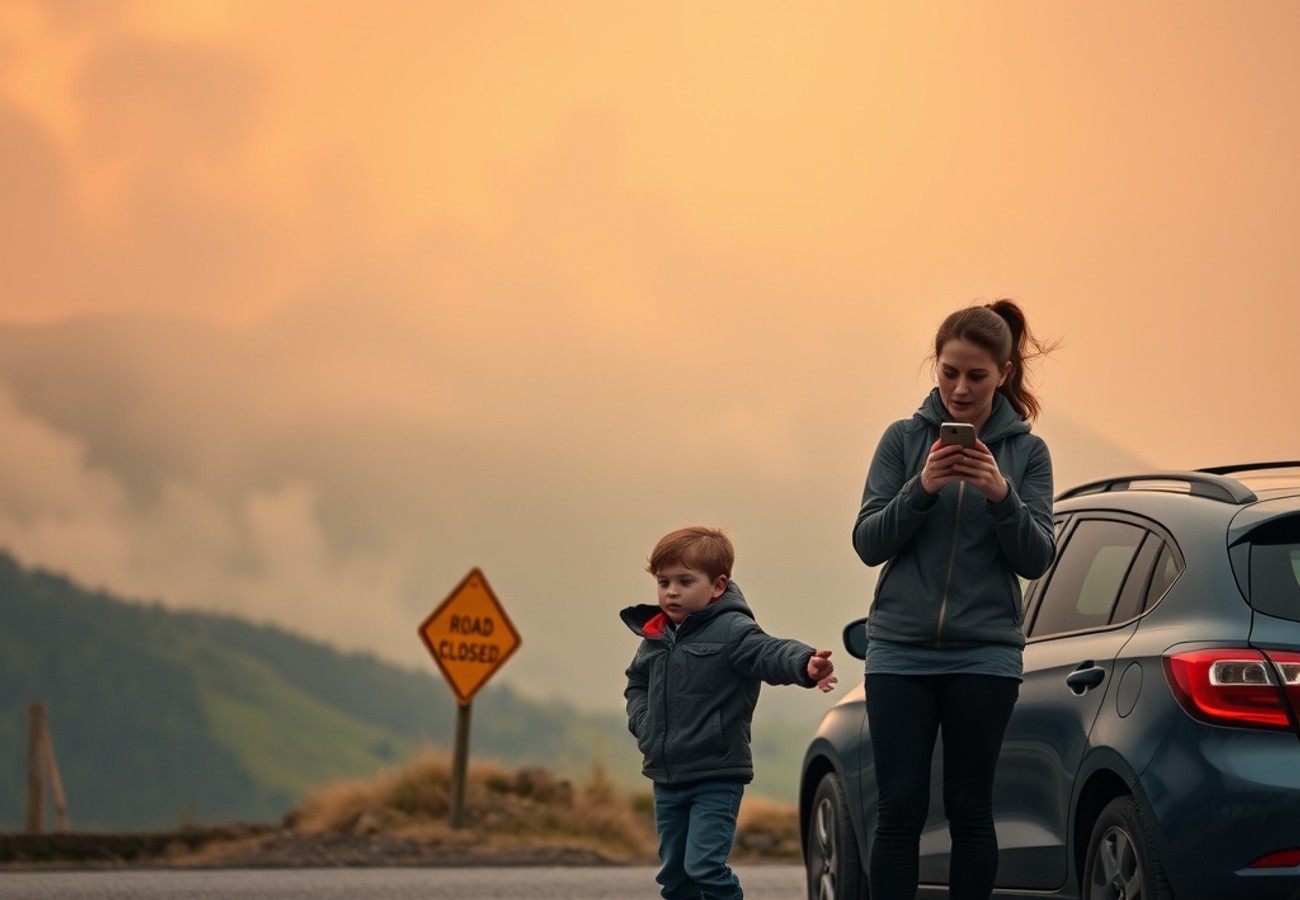
Image generated by AI
International travel hubs and natural landmarks are facing significant operational disruptions as a series of intense wildfires sweep through Scotland, Canada, Spain, and Greece. Emergency services are currently battling blazes in high-traffic tourist zones, leading to road closures, evacuation orders, and restricted access to national parks.
Global Wildfire Impact and Regional Status
The 2026 summer season has seen a convergence of soaring temperatures, arid landscapes, and high winds, creating a volatile environment for global tourism. While major international airports generally remain operational, the "last-mile" transit to nature-based destinations is heavily impacted.
Scotland: Urban and Highland Emergencies
In Edinburgh, the Scottish Fire and Rescue Service deployed six fire appliances and specialist resources to tackle a blaze at Arthur’s Seat. The landmark, a dormant volcano rising 251 metres above sea level, has seen recurring fires in 2019, 2020, 2022, and 2025.
Simultaneously, a separate wildfire in the Cairngorms National Park has remained active for five days, straining emergency response capacities in the Scottish Highlands. A "Very High Wildfire Warning" is currently in effect for the Central Highlands, as well as Southern and Eastern Scotland.
Spain: Severe Regional Crises
Spain is currently managing its most severe wildfire crisis of the year. The Guadalajara Province is the epicenter of the largest active blaze, which has scorched tens of thousands of hectares. Additional high-risk zones include Andalusia and Aragón, where heatwaves continue to fuel vegetation fires.
Canada: Northern Ontario Disruptions
Northern Ontario is reporting hundreds of active wildfires. While these are largely distant from major urban centers, they have triggered evacuation orders for several communities and the closure of wilderness recreation sites. In Toronto, the primary impact is atmospheric, with smoke drifting south and affecting air quality and visibility.
Greece: Island and Mainland Risks
Extreme heat has placed Crete, Rhodes, Athens, Thessaloniki, Thessaly, and the Peloponnese under elevated fire danger. While resorts are currently operational, authorities have signaled that evacuations may be implemented if conditions deteriorate.
Transit Impact and Risk Zones
The following table outlines the current status of key travel destinations and the specific nature of the disruptions.
| Destination | Primary Affected Area | Impact Level | Primary Transit/Access Disruption |
|---|---|---|---|
| Scotland | Arthur's Seat / Cairngorms | High | Restricted access to Holyrood Park; Highland road closures |
| Spain | Guadalajara, Andalusia, Aragón | Critical | Road closures in forested areas; restricted park access |
| Canada | Northern Ontario | High | Community evacuations; closure of national parks/camping |
| Greece | Crete, Rhodes, Peloponnese | Moderate | Potential for sudden resort evacuations; excursion cancellations |
Traveler Logistics Guide: Navigating Fire-Affected Zones
For passengers transiting through or visiting these regions, standard itinerary planning is insufficient. The following logistics strategies are recommended:
1. Real-Time Route Monitoring Avoid relying on static GPS data. In Spain and Scotland, local authorities often implement "rolling" road closures. Use official government transport apps or national railway alerts to verify if access roads to national parks are open.
2. Air Quality and Health Precautions In cities like Toronto, where smoke drift is prevalent, travelers with respiratory conditions should monitor the Air Quality Index (AQI). Carry N95 masks if transiting through smoke-heavy corridors to prevent respiratory distress.
3. Flexible Booking and "Force Majeure" Ensure travel insurance explicitly covers "natural disasters" or "wildfires." Because these events are unpredictable, book "flexible" or "refundable" rates for hotels and excursions in Greece and Spain, as local authorities may shut down tourist sites with zero notice.
4. Local Compliance and Safety In the UK and EU, failure to adhere to fire bans (such as the use of disposable barbecues in the Highlands) can lead to heavy fines or legal action. Always check the Scottish Fire and Rescue Service or the Spanish emergency alerts (112) before entering rural zones.
Infrastructure Impact Assessment
The recurring nature of these blazes—specifically at Arthur’s Seat in Edinburgh—suggests a systemic shift in environmental risk for urban heritage sites. The simultaneous occurrence of fires in the Highlands and the capital indicates that emergency infrastructure is being pushed to its limit, potentially slowing response times for other transit-related emergencies.
In Canada and Spain, the scale of the fires is reshaping regional tourism. The shift toward "smoke-impacted" urban centers like Toronto suggests that even if a city is not burning, the logistics of tourism (outdoor dining, walking tours, and sightseeing) are compromised by air quality, leading to a decrease in short-term visitor spending.
Travelers are urged to prioritize official government alerts over social media reports during active fire emergencies.
Related Travel Guides
Disclaimer
This article is for informational and educational purposes only. It does not constitute legal, financial, or professional advice. While we strive to provide accurate and up-to-date information, travel policies, regulations, and conditions change rapidly. Always verify information with official sources before making travel decisions. Nomad Lawyer makes no representations about the accuracy, reliability, completeness, or suitability of the information provided. Readers should consult qualified professionals for advice specific to their circumstances. The views expressed in this article are those of the author and do not necessarily reflect the views of Nomad Lawyer.
Kunal K Choudhary
Co-Founder & Contributor
A passionate traveller and tech enthusiast. Kunal contributes to the vision and growth of Nomad Lawyer, bringing fresh perspectives and driving the community forward.
Learn more about our team →