
Airline Passenger Rights During Weather Disruptions: US vs EU and Canada Regulations 2026
An analysis of airline obligations during weather-related flight cancellations and delays, detailing the critical differences between US DOT guidelines, EU Regulation 261/2004, and Canada's APPR.

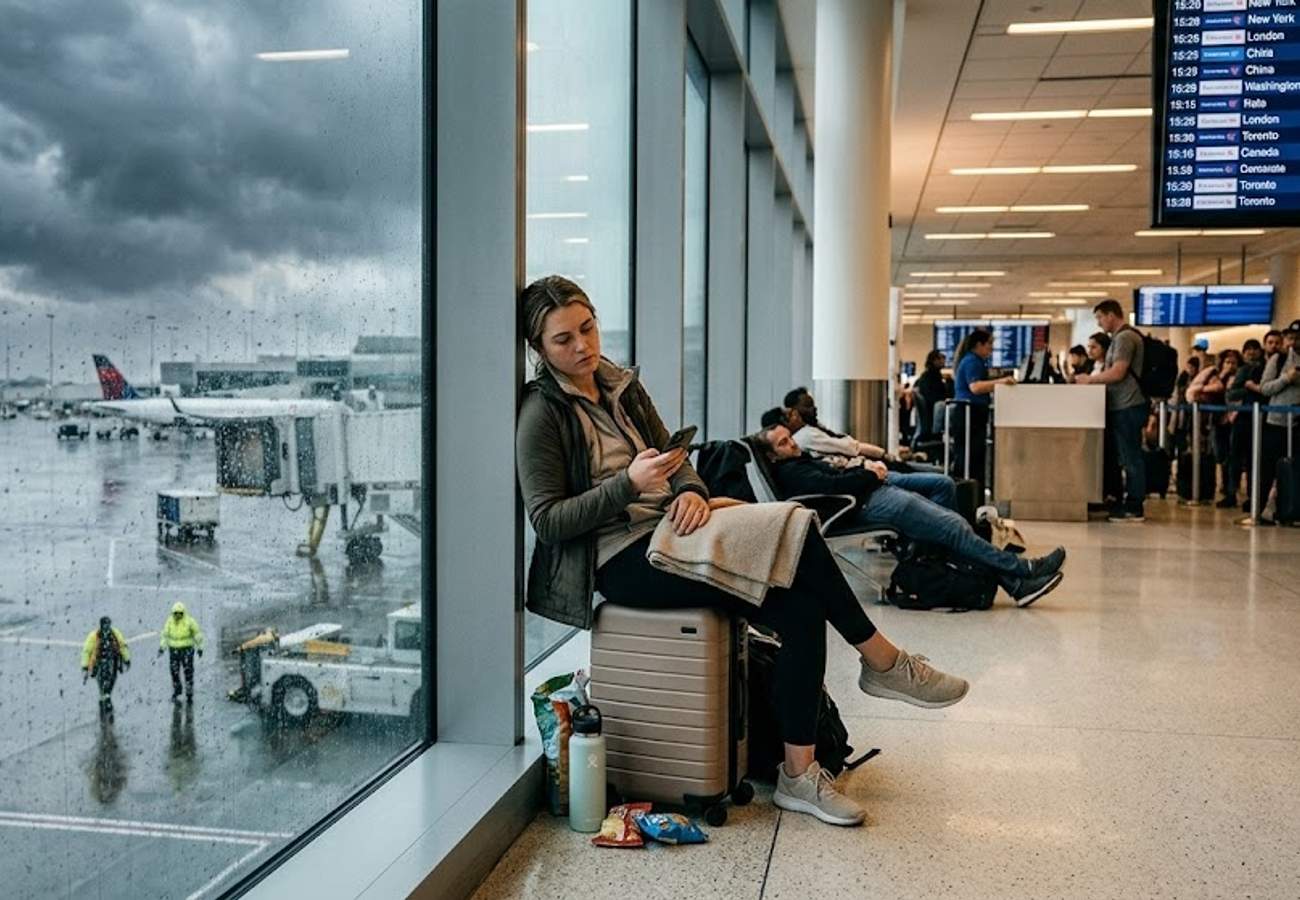
Image generated by AI
When severe weather grounds aircraft, the legal obligations of airlines shift dramatically. While passengers often expect hotel and meal coverage, the reality is a fragmented landscape of regional laws where "uncontrollable events" typically exempt carriers from paying cash compensation.
The distinction between "controllable" and "uncontrollable" disruptions is the pivot point for all passenger claims. In the aviation industry, weather is almost universally classified as a force majeure event, which severely limits the mandatory assistance an airline must provide, particularly in the United States.
US Regulatory Framework: The "Outside Control" Standard
In the United States, the Department of Transportation (DOT) maintains a strict boundary between mechanical or staffing issues (controllable) and weather or air traffic control issues (uncontrollable).
Our analysis of DOT guidance indicates that US carriers are not legally mandated to provide meals, lodging, or incidental expenses when a disruption is caused by bad weather. The primary obligations for US airlines during weather events are limited to:
- Fare Honor: The airline must honor the fare class purchased.
- Refunds: Passengers are entitled to a refund of the unused portion of their ticket if the airline cancels or significantly changes the flight and the traveler chooses not to fly, regardless of the cause.
- Contract Transparency: Carriers must make the full text of their contract of carriage available to the public.
While the DOT’s Airline Cancellation and Delay Dashboard tracks voluntary commitments (such as meal vouchers), these typically apply only to controllable delays. Weather-related assistance remains at the airline's discretion.
Tarmac Delay Exception: Regardless of the cause, federal tarmac delay rules require airlines to provide food, water, restroom access, and basic medical assistance if passengers are held on an aircraft for extended periods.
International Comparisons: EU and Canada
Protections are significantly more robust in Europe and Canada, where the "duty of care" often persists even when weather is the culprit.
European Union (Regulation EC No 261/2004) While "extraordinary circumstances" (like storms) exempt airlines from paying cash compensation for inconvenience, they do not exempt them from the "duty of care." Under EU law, passengers are entitled to:
- Meals and refreshments.
- Hotel accommodation if an overnight stay is required.
- Transportation between the airport and the hotel.
Canada (Air Passenger Protection Regulations - APPR) Canada utilizes a tiered system based on the level of control the airline has over the event. Weather is generally classified as "outside airline control," which removes the requirement for monetary compensation but still mandates:
- Clear and timely communication.
- Reasonable rebooking options.
- Specific standards of treatment.
Summary of Passenger Rights by Region
| Provision | United States (DOT) | European Union (EC 261) | Canada (APPR) |
|---|---|---|---|
| Cash Compensation (Weather) | No | No | No |
| Refund if Trip Cancelled | Yes | Yes | Yes |
| Mandatory Hotel/Meals | No (Discretionary) | Yes (Duty of Care) | Limited Standards |
| Rebooking Obligations | Per Contract | Yes | Yes |
| Tarmac Rights | Yes | Yes | Yes |
Why This Matters: The "Hidden" Control Shift
From a logistical perspective, the most critical detail for a traveler is the evolution of a delay. Industry data suggests that many disruptions begin as weather events but transition into "controllable" issues.
For example, if a storm causes an initial delay, but the subsequent cancellation is due to "crew timing out" or "equipment unavailability," the disruption may move from the "uncontrollable" category to the "controllable" category. This shift can trigger the airline's customer service plan, potentially granting the passenger access to hotel vouchers and meals that were previously denied. Travelers should meticulously document the reason for the delay as listed on airport departure boards and in official airline emails.
Forward Outlook: Mitigating Risk in 2026
As extreme weather events become more frequent, relying on airline discretion is a high-risk strategy. Market trends indicate a shift toward private mitigation:
- Travel Waivers: Passengers should monitor airlines for "travel waivers" issued before a storm hits. These allow for fee-free changes to flights within a specific window.
- Credit Card Protections: Premium credit cards often provide trip delay and interruption insurance. These policies frequently reimburse hotels and meals for weather delays after a specific hour threshold (e.g., 6 or 12 hours), filling the gap left by US DOT regulations.
- Contract Review: Before booking, passengers should review the "Contract of Carriage" to understand the specific definition of "controllable" events used by that carrier.
The difference between a stranded passenger and a supported one often comes down to the region of departure and the fine print of a credit card policy.
Related Travel Guides
Disclaimer
This article is for informational and educational purposes only. It does not constitute legal, financial, or professional advice. While we strive to provide accurate and up-to-date information, travel policies, regulations, and conditions change rapidly. Always verify information with official sources before making travel decisions. Nomad Lawyer makes no representations about the accuracy, reliability, completeness, or suitability of the information provided. Readers should consult qualified professionals for advice specific to their circumstances. The views expressed in this article are those of the author and do not necessarily reflect the views of Nomad Lawyer.
Preeti Gunjan
Contributor & Community Manager
A passionate traveller and community builder. Preeti helps grow the Nomad Lawyer community, fostering engagement and bringing the reader experience to life.
Learn more about our team →