
Hiking World Wealthiest: Alpine Routes Through Europe's Richest Nation
Europe's wealthiest country combines luxury rail infrastructure with accessible alpine hiking in 2026. Discover scenic mountain trails, charming villages, and world-class transportation networks across this European oasis.

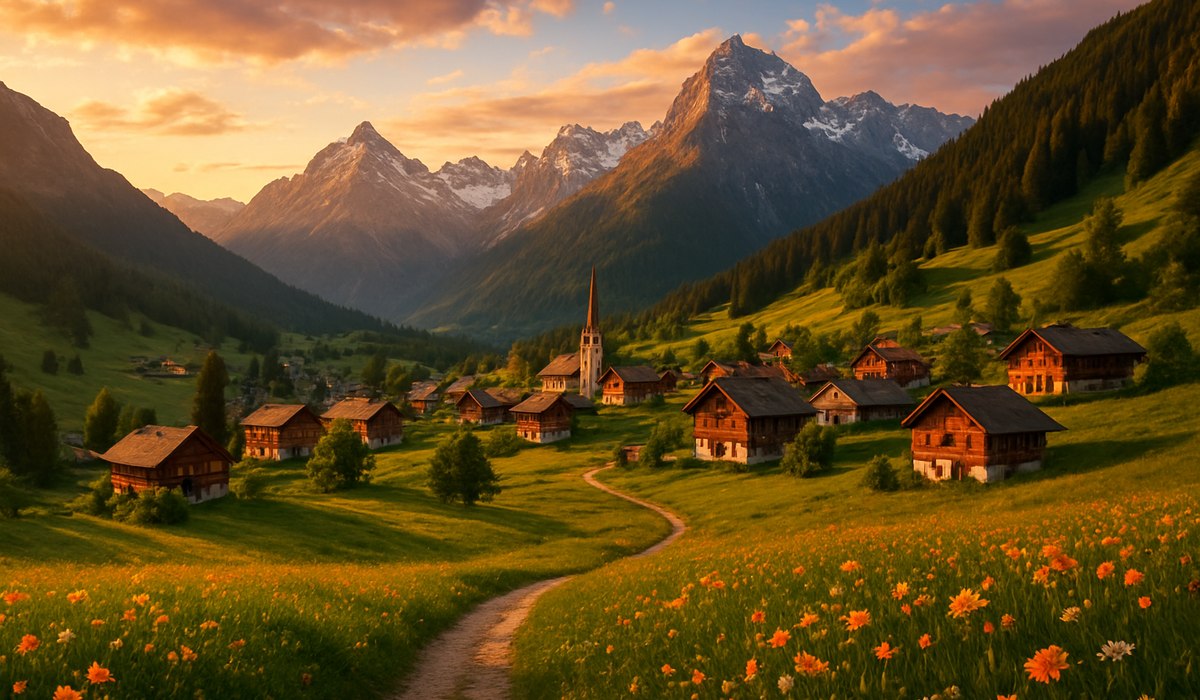
Image generated by AI
Europe's Richest Nation Becomes Adventure Gateway for Global Wanderers
Switzerland, Europe's wealthiest country by GDP per capita, is establishing itself as the premier destination for hikers seeking world-class trail networks combined with luxury alpine infrastructure. This small European oasis delivers both storybook mountain villages and sophisticated rail-based outdoor access, creating an unmatched combination for wanderers exploring one of the continent's most dramatic landscapes in 2026.
Why This Wealthy European Nation Is A Hiker's Paradise
Switzerland's reputation as a hiking destination stems from its geographic fortune and substantial investment in trail infrastructure. The country sits at the heart of the Alps, offering over 40,000 kilometers of maintained hiking paths. What distinguishes this wealthy nation from other European destinations is its seamless integration of modern rail networks with remote mountain access.
The Swiss tourism strategy has deliberately positioned hiking as a cornerstone experience. Unlike countries where outdoor recreation requires extensive planning, Switzerland's rail operators deliver hikers directly to trailheads via an interconnected system spanning every canton. This accessibility means travelers can experience world-class alpine hiking without technical mountaineering skills or specialized equipment.
The nation's prosperity translates directly into environmental stewardship. Well-funded conservation programs maintain trail systems, protect ecosystems, and manage visitor flows across sensitive mountain zones. Small villages throughout the Valais, Bern Oberland, and St. Gallen regions preserve traditional architecture while accommodating modern comfort expectations—a balance that wealthier nations typically manage more effectively than resource-constrained peers.
Scenic Hiking Routes Through Colorful Cities And Villages
Three signature routes exemplify how hiking world wealthiest destinations deliver memorable experiences. The Lauterbrunnen Valley circuit offers accessible day hikes connecting postcard-perfect villages with views of iconic waterfalls and meadows dotted with wildflowers. Most routes require only 4-6 hours, making them suitable for families and casual hikers exploring this European oasis.
The Appenzell Alps region showcases rolling green hills and traditional farmhouses painted in vibrant colors—a photographer's dreamscape accessible via hiking world wealthiest rail connections from major cities. The Säntis circuit, a moderate multi-day trek, traverses pastoral landscapes unchanged for centuries. Accommodation in family-run guesthouses provides authentic regional cuisine and warm hospitality.
For experienced trekkers, the Tour of Mont Blanc offers a challenging but incomparably scenic week-long journey. Though shared with France and Italy, the Swiss segments feature the most developed infrastructure and village hospitality. The route passes through Chamonix-adjacent valleys, crosses alpine passes exceeding 2,500 meters, and descends into wine country—demonstrating Switzerland's geographic diversity within a compact area.
Travel Infrastructure And Getting Around
Switzerland's railway system represents perhaps the world's most efficient hiking transportation network. The Swiss Federal Railways (SBB) operates the primary national network, while regional operators manage mountain routes and funicular systems. Hikers typically combine these services: a regional train to a village, a cable car or mountain railway to high-altitude trailheads, and return travel on foot or rail.
The Trainline booking platform simplifies fare comparison across Swiss operators. Most routes depart from major stations in Zurich, Bern, or Interlaken, with journey times under three hours to primary hiking regions. First-class accommodations feature panoramic windows—transforming the commute itself into a destination experience.
The Swiss Travel Pass offers unlimited rail access across the entire network, making it economical for multi-day hiking itineraries. Day passes cost substantially less than individual tickets, and the pass includes cable cars and mountain railways—essential for accessing high-altitude trailheads. Purchasing through official SBB channels or authorized retailers ensures current pricing and coverage information.
How To Book The Best Fare
Strategic booking yields significant savings on Switzerland's premium rail network. Off-peak travel (weekday departures outside July-August) reduces fares by 20-30 percent compared to weekend pricing. Early bookings for popular summer routes should occur 4-6 weeks in advance through the SBB website or Trainline platform.
Group discounts apply to parties exceeding six travelers, a valuable consideration for hiking clubs or organized tours. Railcard programs targeting frequent travelers offer percentage reductions across multiple journeys. Combining rail passes with mountain accommodation packages often yields better overall value than purchasing components separately.
Consider purchasing half-fare passes rather than full travel passes if planning fewer than four journeys weekly. Swiss railcard technology integrates seamlessly—present your card at ticket windows or scan it on official apps for instant discounts. Mobile booking through the SBB app provides real-time journey planning and reduces paper waste.
Best Times To Visit For Outdoor Adventures
Summer hiking season extends from June through September, with peak conditions occurring August through early September. June trails may feature lingering snow above 2,000 meters, requiring adjusted route selection. July brings reliable weather but crowded trailheads and accommodations—particularly on weekends.
September offers ideal conditions: stable weather, reduced crowds, and earlier sunset times that encourage more relaxed hiking pace. Early autumn transforms alpine meadows with golden larches and wildflowers transitioning from summer growth. Trail accessibility remains excellent through October in lower-elevation circuits.
Winter hiking is possible in lower valleys and specialized snow routes, but this European nation's mountainous terrain creates avalanche hazards requiring avalanche safety certification and professional guides. Spring (May-early June) transitions from ski season to summer hiking, with some high passes remaining snowbound.
Key Data: Alpine Hiking Infrastructure Overview
| Metric | Details |
|---|---|
| Total Maintained Trails | 40,000+ kilometers across all cantons |
| Primary Rail Operator | Swiss Federal Railways (SBB) operates 3,000+ km of track |
| Average Journey to Trailhead | 2-4 hours from Zurich or Bern |
| Cable Car Systems | 600+ mountain transport facilities nationwide |
| Peak Season | July-September (most crowded August) |
| Trail Difficulty Range | Easy walking paths to technical alpine routes |
| Accommodation Options | Budget hostels to luxury mountain resorts |
| UNESCO World Heritage Sites | 12 mountain regions with protected status |
What This Means For Travelers
Hiking world wealthiest destinations like Switzerland demand strategic planning but reward preparation handsomely. Here are actionable steps for maximizing your alpine experience:
-
Book rail passes before arrival. Purchase Swiss Travel Passes online to access unlimited network usage immediately upon landing, eliminating ticketing delays and queuing.
-
Download offline trail maps. While rail service is reliable, alpine weather changes rapidly. Offline map applications prevent navigation surprises in dead zones.
-
Reserve mountain accommodation early. Small villages accommodate limited visitors; securing lodging 2-3 months ahead ensures preferred locations and competitive pricing.
-
Invest in proper footwear. Alpine terrain demands serious hiking boots with ankle support. Rental options exist in major villages but purchasing your own ensures comfort during multi-day treks.
-
Embrace public transportation. Renting cars in mountainous regions proves unnecessary and expensive. The rail network makes driving obsolete for hiking tourism.
-
Schedule rest days strategically. Multi-day treks benefit from recovery days in village accommodations, allowing laundry, resupply, and acclimatization between challenging sections.
Frequently Asked Questions
Do I need specialized mountaineering skills to hike in Switzerland? Most maintained trails accommodate hikers with reasonable fitness levels and no technical experience. The country's extensive network includes options ranging from gentle valley walks to challenging alpine routes. Approximately 80 percent of marked trails suit casual hikers, while expert-only routes carry clear warnings.
**What's the cost difference between summer and off-season rail travel
Disclaimer
This article is for informational and educational purposes only. It does not constitute legal, financial, or professional advice. While we strive to provide accurate and up-to-date information, travel policies, regulations, and conditions change rapidly. Always verify information with official sources before making travel decisions. Nomad Lawyer makes no representations about the accuracy, reliability, completeness, or suitability of the information provided. Readers should consult qualified professionals for advice specific to their circumstances. The views expressed in this article are those of the author and do not necessarily reflect the views of Nomad Lawyer.
Kunal K Choudhary
Co-Founder & Contributor
A passionate traveller and tech enthusiast. Kunal contributes to the vision and growth of Nomad Lawyer, bringing fresh perspectives and driving the community forward.
Learn more about our team →