
Cultural Heritage: West Virginia State Fair Celebrates Appalachian Traditions
The State Fair of West Virginia draws over 160,000 visitors to Lewisburg, showcasing Appalachian crafts, agriculture, and local culinary specialties.

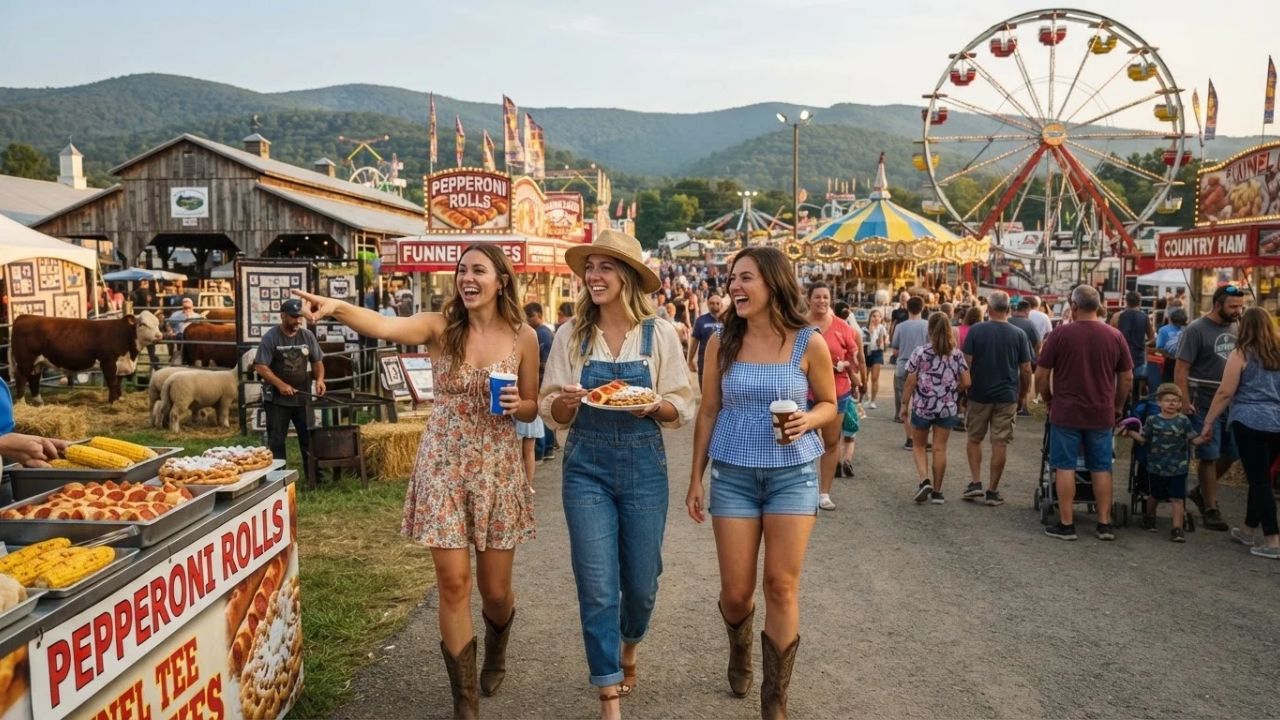
Image generated by AI
The State Fair of West Virginia draws over 160,000 visitors to Lewisburg, showcasing Appalachian crafts, agriculture, and local culinary specialties. State agricultural officials indicate that the annual event supports regional agribusinesses and preserves mountain farming traditions.
The Revitalization of Cultural Heritage Festivals
A notable trend in regional tourism is the growing popularity of cultural heritage festivals that highlight traditional arts, crafts, and food systems. Historically, state fairs were viewed as local agricultural meetings, primarily serving farming communities and livestock handlers. In 2026, travelers prioritize destination festivals that offer immersion in authentic regional heritage, including live blacksmithing, wool spinning, and home-cooked culinary specialties.
By drawing visitors to rural valleys, heritage festivals distribute tourism spending to local artisans, family farms, and small-town business owners. This slow tourism model supports county economies, preserving historic community hubs while introducing travelers to lesser-known wilderness areas.
Ten-Day Summer Showcase in the Greenbrier Valley
The annual event transforms the town of Fairlea into a cultural center:
- Attendance Capacity: Welcomes over one hundred sixty thousand (160,000) visitors during its ten-day summer run.
- Agricultural Displays: Hosted at the Gus R. Douglas Agriculture Annex Building, featuring livestock judging and farm exhibits.
- Youth Competitions: Organized along Blue Ribbon Alley, showcasing cattle, sheep, swine, and goats raised by 4-H and Future Farmers of America (FFA) chapters.
- Heritage Craft Village: Offers live demonstrations from master blacksmiths, wool spinners, and woodworkers.
- Midway & Entertainment: Features the Reithoffer Carnival midway, a giant Ferris wheel, and grandstand concerts capped by Zambelli fireworks.
These events connect visitors with the region's agricultural roots.
Traditional Appalachian Culinary Staples
Fairgoers can sample several iconic regional dishes:
- Pepperoni Rolls: Soft, freshly baked rolls stuffed with pepperoni and mozzarella or pepper jack cheese, a classic West Virginia miner snack.
- FFA Ham Sandwiches: Sliced country ham served at the Future Farmers of America food stand.
- Cattleman Steak Sandwiches: Made with locally sourced beef, grilled on-site.
- Ben Ellen Donuts: Famous hot donuts baked fresh daily on the fairgrounds.
- Other Fair Favorites: Fire-roasted sweet corn, funnel cakes, and hot cinnamon rolls.
These foods reflect the culinary traditions of the mountain state.
West Virginia State Fair Coordinates
The table below breaks down the event locations, transit access, lodging options, local heritage assets, and coordinating tourism bodies:
| Event Hub | Municipal Location | Primary Heritage Asset | Road & Transit Access | Stated Attendance | Primary Coordinating Board |
|---|---|---|---|---|---|
| State Fairgrounds | Fairlea (Lewisburg), WV | Gus R. Douglas Annex & Heritage Village | US Route 219 & I-64 | 160,000+ visitors | West Virginia Dept of Agriculture |
| 10-day summer fair | Greenbrier County | Blue Ribbon Alley & FFA ham stand | Greenbrier Valley Airport (LWB) | 10-day run | West Virginia Tourism Office |
These coordinates outline the hubs, municipalities, assets, transit links, attendance figures, and boards established for the state fair.
Exploring Greenbrier County and Surrounding Valleys
Visitors can easily extend their stay to explore nearby attractions:
- Downtown Lewisburg: Features brick streets, art galleries, and Carnegie Hall (one of only four continuous Carnegie performance halls worldwide).
- Underground Caverns: Visitors can descend over one hundred feet (100 feet) underground to explore Lost World Caverns and Organ Cave.
- Greenbrier River Trail: Offers seventy-eight miles (78 miles) of riverside hiking and cycling trails.
- The Greenbrier: A historic luxury resort located in nearby White Sulphur Springs, offering golf and spa amenities.
- New River Gorge National Park: Located one hour west, offering white-water rafting, rock climbing, and views from the New River Gorge Bridge.
These sites make the Greenbrier Valley a diverse year-round destination.
Resource Stewardship and Community Support
For the traveler, the benefit of choosing on-site RV camping or staying in historic downtown inns is the reduction in daily travel times to the fairgrounds. Using regional transit or carpooling reduces traffic congestion along US Route 219 during peak event hours.
Additionally, purchasing food from youth organization stands (such as the FFA ham stand) directly funds regional agricultural scholarships. Respecting safety guidelines in historical caves like Lost World Caverns protects delicate geological formations.
For comparison, you can explore the changing dynamics of Stimulus Launch: Taiwan Unveils Billion-Dollar Repeat Visitor Rewards to see how destinations promote visitor spend. For transit updates, comparing travel scheduling matches other networks, such as Public Land Access: Ramps and Shuttles Address the National Park Nature Gap updates. This trend is similar to the tourism growth seen in other destinations, as detailed in our guide on how Utica, New York Emerges as an Affordable Northeast Tourism Hub.
Visitor Insider Tips: Attending the West Virginia State Fair
If you are planning to attend the fair, keep these practical tips in mind:
- Purchase Gate Passes Early: Buy tickets and parking passes online in ahead to avoid long queues at the fairground gates.
- Taste a Fresh Pepperoni Roll: Visit the local food stands to try this classic West Virginia miner snack during your visit.
- Explore Lost World Caverns: Pack a light jacket and descend over one hundred feet underground to view the cave's stalactites.
- Ride the Greenbrier Scenic Trail: Rent a bicycle to explore segments of the seventy-eight-mile riverside trail along the Greenbrier River.
- Watch the Dairy Birthing Center: Spend time at the educational center to observe live livestock births and learn about farm safety.
Long-Term Outlook for Greenbrier Valley Tourism
The long-term outlook for transit in Greenbrier County is focused on introducing electric shuttle buses between downtown Lewisburg hotels and the fairgrounds, expanding regional flight connections at Greenbrier Valley Airport, and upgrading trailheads along the Greenbrier River. As demand for cultural heritage travel remains strong, municipal boards will cooperate to maintain historic buildings.
By protecting local traditions and supporting community markets, the tourism sector aims to build a sustainable destination network.
FAQ
Where is the State Fair of West Virginia held?
The fair is held annually at the fairgrounds in Fairlea, located just outside the historic district of Lewisburg in Greenbrier County.
How many people attend the West Virginia State Fair?
The ten-day summer event draws over one hundred sixty thousand visitors to the fairgrounds.
What is the Greenbrier River Trail?
It is a seventy-eight-mile state park trail running parallel to the Greenbrier River, popular for cycling, hiking, and backpacking.
Are there direct flight options to the fair?
Yes. Travelers can fly into Greenbrier Valley Airport (LWB), located just ten minutes north of the fairgrounds, or use airports in Charleston and Roanoke.
Stay updated on the regional travel regulations and cultural programs shaping West Virginia tourism.
Related Travel Guides
Disclaimer
This article is for informational and educational purposes only. It does not constitute legal, financial, or professional advice. While we strive to provide accurate and up-to-date information, travel policies, regulations, and conditions change rapidly. Always verify information with official sources before making travel decisions. Nomad Lawyer makes no representations about the accuracy, reliability, completeness, or suitability of the information provided. Readers should consult qualified professionals for advice specific to their circumstances. The views expressed in this article are those of the author and do not necessarily reflect the views of Nomad Lawyer.
Raushan Kumar
Founder & Lead Developer
Full-stack developer with 11+ years of experience and a passionate traveller. Raushan built Nomad Lawyer from the ground up with a vision to create the best travel and law experience on the web.
Learn more about our team →