
India 2047 Tourism: 100 Million Visitors and 7% GDP Contribution Target
India targets 100 million international tourists by 2047 as part of its ambitious tourism expansion strategy. The nation aims for 7% GDP contribution from tourism by 2030, marking inevitable growth in the travel sector.

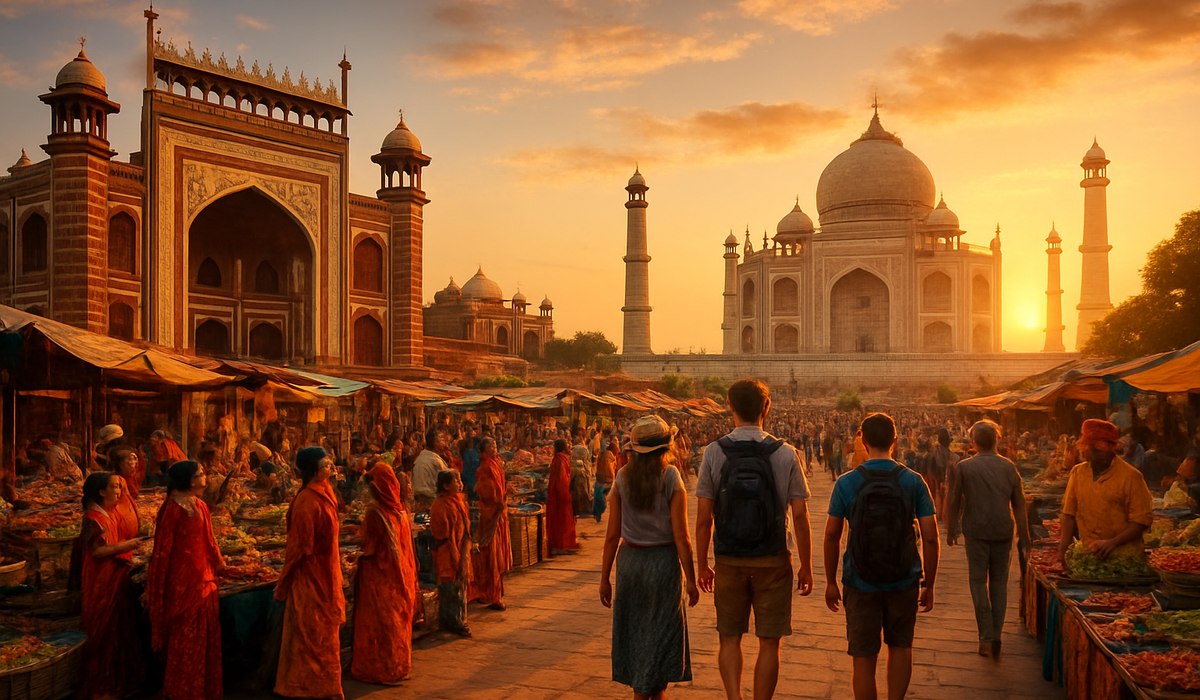
Image generated by AI
India's Tourism Vision for 2047
India is positioning itself for unprecedented tourism growth, with government officials announcing a strategic vision to welcome 100 million international visitors by 2047. The nation aims to achieve 7 percent GDP contribution from tourism by 2030, representing an inevitable expansion of one of the world's fastest-growing travel destinations. This ambitious roadmap reflects India's commitment to transforming itself from "Incredible India" into "Inevitable India"—a destination that travelers worldwide will recognize as essential on their bucket lists.
The transformation encompasses massive infrastructure investments, enhanced connectivity, and modernized hospitality services across the country. Tourism currently contributes significantly to India's economy, and these targets represent a deliberate scaling up of existing momentum in the travel sector.
India's Tourism Vision 2047
India's long-term tourism strategy extends well beyond 2030 targets. The 2047 vision represents India's 100th year of independence and symbolizes a fully integrated tourism ecosystem capable of handling global visitor volumes comparable to major destinations like Spain, France, and Thailand.
This vision includes expanding tourism across tier-two and tier-three cities, reducing over-concentration in traditional hotspots like Delhi and Agra. The government plans to develop heritage circuits, adventure tourism zones, and wellness retreats in lesser-known regions. Beach destinations, mountain resorts, and cultural heritage sites across the Indian subcontinent will receive infrastructure upgrades and marketing support. This decentralized approach ensures sustainable growth and distributes economic benefits across multiple states and communities.
Infrastructure and Economic Drivers
The inevitable growth of India 2047 tourism depends on transforming transportation networks and hospitality standards. Airport modernization remains a cornerstone of this expansion, with plans to increase international flight capacity at major hubs and develop new air terminals in secondary cities.
Railway connectivity improvements, particularly high-speed rail corridors between major tourist destinations, will reduce travel times significantly. Road infrastructure upgrades, including improved highways and better signage, will enhance the visitor experience. Hotel construction, including luxury properties and budget accommodations, will increase room availability across regions.
Economic drivers supporting this growth include rising middle-class disposable income, increasing interest in experiential travel, and India's competitive pricing advantages compared to Western destinations. As neighboring Asian countries approach capacity at popular sites, India offers alternative attractions that deliver exceptional value for international tourists seeking authentic cultural experiences and natural beauty.
Government Targets and Timeline
India's tourism roadmap features clearly defined milestones leading toward the 2047 objective. By 2030, the government targets 7 percent GDP contribution from tourism, up from current levels. This requires strategic focus on visitor spending, length of stay, and repeat visitation rates.
Annual international arrivals have been growing steadily, and the 2047 target of 100 million represents a carefully calibrated projection based on infrastructure development capacity, resource availability, and global travel trends. Government agencies, including tourism boards at national and state levels, have established accountability mechanisms to track progress toward these benchmarks.
Policy initiatives supporting this growth include visa liberalization for select markets, tax incentives for hospitality businesses, and skill development programs for tourism professionals. Collaborative efforts between public and private sectors ensure that infrastructure investments align with market demand and visitor expectations.
Global Competitiveness Strategy
India's position in global tourism rankings will shift dramatically as these initiatives mature. The country currently competes effectively with Southeast Asian destinations but faces challenges against established European attractions.
By 2047, strategic positioning should elevate India's status among the world's top tourism destinations. This requires consistent investment in quality assurance, environmental sustainability, and safety standards. Cultural preservation efforts will protect heritage sites while making them accessible to growing visitor numbers.
Marketing campaigns targeting source markets in Europe, North America, and Asia-Pacific will communicate India's diverse offerings. Digital platforms, including immersive virtual experiences, will help international travelers plan visits and understand what to expect. Partnership with international tourism organizations and participation in global travel trade shows will maintain India's competitive edge.
Key Tourism Data and Targets
| Metric | Current Status | 2030 Target | 2047 Target |
|---|---|---|---|
| GDP Contribution | ~2.1% | 7.0% | Estimated 8-9% |
| International Arrivals | ~13 million | 30-40 million | 100 million |
| Domestic Tourism | ~340 million annually | Continued growth | Expanded capacity |
| Hotel Room Supply | ~400,000 rooms | 600,000+ rooms | 1+ million rooms |
| Employment in Tourism | ~30 million jobs | 45+ million jobs | 75+ million jobs |
| Average Visitor Spend | $1,200-1,500 | $1,800-2,200 | $2,000-2,500 |
What This Means for Travelers
International visitors should anticipate significant improvements in accessibility and service standards as India pursues these tourism targets:
-
Enhanced Flight Connectivity: Expect more direct international routes to secondary cities, reducing transfer times and improving accessibility to lesser-known destinations.
-
Improved Accommodation Options: Increased hotel development across price ranges ensures better availability and competitive pricing in previously underserved regions.
-
Better Transportation: High-speed rail and upgraded highways will reduce travel times between major attractions, allowing visitors to experience more destinations in shorter periods.
-
Quality Service Standards: Government initiatives promoting hospitality training will raise service standards across the industry, from hotels to guide services.
-
Expanded Destinations: Growth targets require developing new tourism circuits, enabling travelers to explore authentic cultural experiences beyond traditional tourist hotspots.
-
Visa Accessibility: Liberalized visa policies for key markets make travel planning easier for international visitors considering India for their next trip.
Frequently Asked Questions
What does India 2047 tourism mean for travelers planning visits?
India 2047 tourism represents a strategic expansion bringing enhanced infrastructure, improved service standards, and better accessibility to new destinations. Travelers can expect easier visa processes, improved transportation networks, and expanded accommodation options across the country.
When will the 7% GDP contribution target be achieved?
The government targets achieving 7 percent GDP contribution from tourism by 2030, representing a midpoint milestone toward the 2047 vision. This requires sustained growth in international arrivals and increased visitor spending across the travel sector.
Which Indian regions will see the most tourism development?
Beyond traditional destinations like Delhi and Agra, development will focus on tier-two cities, heritage circuits, adventure tourism zones, and beach destinations. States across the Himalayas, Western coast, and Central India will receive infrastructure investments supporting tourism growth.
How will increased tourism affect India's heritage sites?
The government plans to balance increased accessibility with heritage preservation through improved site management, visitor capacity controls, and environmental protection measures. Infrastructure upgrades will make sites more accessible while maintaining cultural and historical integrity.
Related Travel Guides
- Major Cargo Carrier Atlas Air Abandons Boeing Strategy, Pivots to Airbus in Landmark Fleet Overhaul
- Radical Transit Pricing Shifts Detonate Through Texas, Sparking Commuter Shockwaves
- Airlines Travel Flight Chaos: Emirates, Turkish, Qatar Ground Flights
Disclaimer
This article presents information about India's published tourism targets and government initiatives as of May 2026. Data regarding visitor numbers, GDP contributions, and timelines are based on official government announcements and projections. While these targets represent stated government objectives, actual outcomes may vary based on economic conditions, infrastructure development pace, and global travel trends.
For authoritative information on India tourism policies, visit the Ministry of Tourism India official website and the India Brand Equity Foundation tourism portal. Current visa information and travel advisories should be verified through official government channels before planning your trip. Always verify with your airline, hotel, and travel provider before finalizing bookings for current policies and service availability.
Disclaimer
This article is for informational and educational purposes only. It does not constitute legal, financial, or professional advice. While we strive to provide accurate and up-to-date information, travel policies, regulations, and conditions change rapidly. Always verify information with official sources before making travel decisions. Nomad Lawyer makes no representations about the accuracy, reliability, completeness, or suitability of the information provided. Readers should consult qualified professionals for advice specific to their circumstances. The views expressed in this article are those of the author and do not necessarily reflect the views of Nomad Lawyer.
Raushan Kumar
Founder & Lead Developer
Full-stack developer with 11+ years of experience and a passionate traveller. Raushan built Nomad Lawyer from the ground up with a vision to create the best travel and law experience on the web.
Learn more about our team →