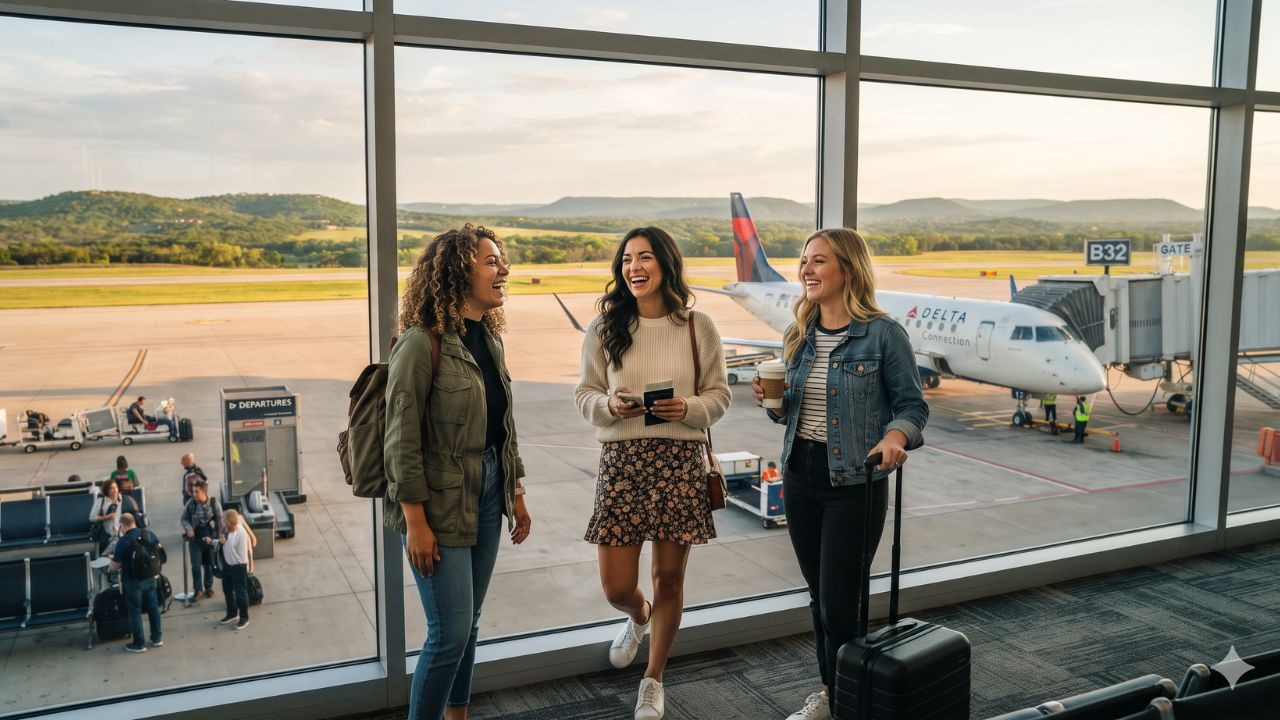
Washington DC Travel Surges Amid Freedom 250 Grand Prix Race

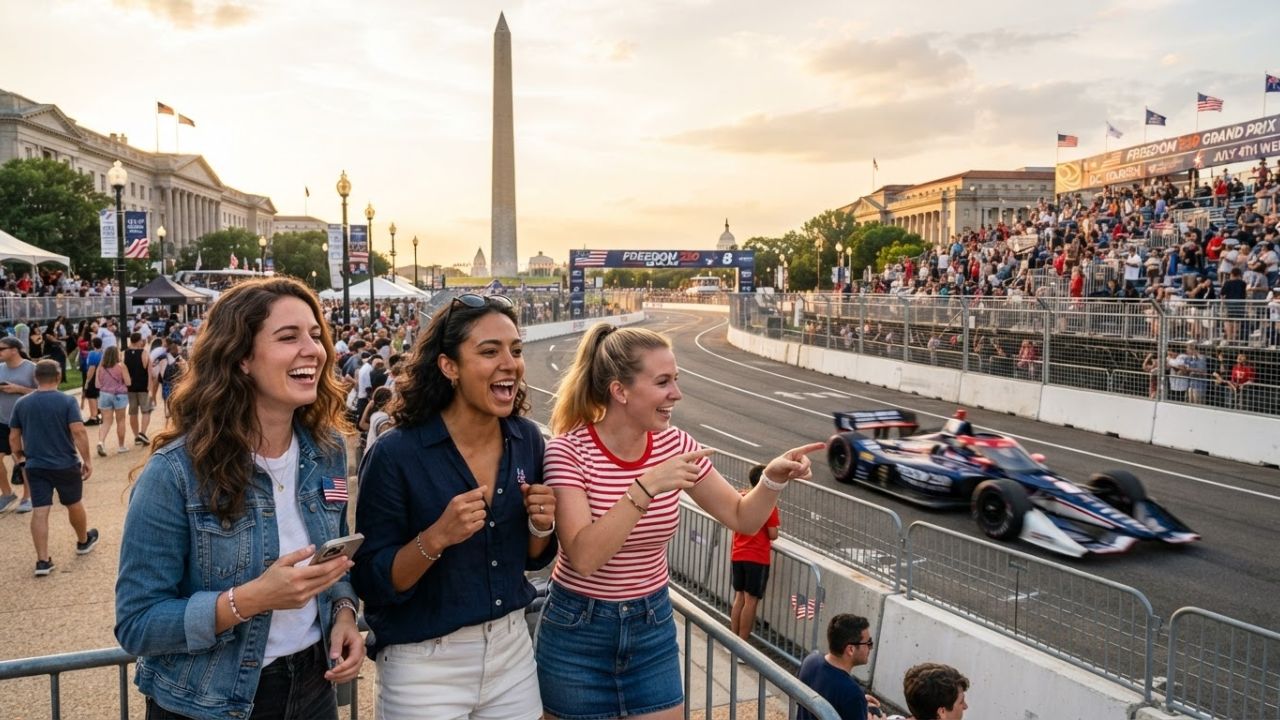
Image generated by AI
The first-ever Freedom 250 Grand Prix has turned Washington, D.C. into a high-profile sports tourism hub, drawing an estimated 200,000 spectators to a temporary IndyCar street circuit. Held as part of the United States’ 250th anniversary celebrations, the race weekend generated a major hotel occupancy and spending boom across the federal capital.
The Local Trend Revealed
Metropolitan centers are increasingly integrating large-scale sports entertainment with historical sightseeing to diversify their visitor demographics. Organized as a temporary street race, the Grand Prix transformed central transit routes into a speedway, shifting the city's traditional tourism focus:
- IndyCar Circuit Details: The temporary street course covered approximately 1.7 miles, routing racing cars close to landmarks such as the National Mall, Washington Monument, Lincoln Memorial, National Archives, and Smithsonian museums.
- Economic Boost: D.C. hotels, restaurants, and retail merchants experienced surging demand, introducing a new wave of motorsport fans, corporate groups, and international sports tourists alongside traditional museum visitors.
- Transit & Aviation Management: Coordinated by the District Department of Transportation (DDOT), the race required temporary road closures and detour routing. Air traffic operations at nearby Ronald Reagan Washington National Airport were also adjusted during key parts of the event schedule.
- Calendar Expansion: Following strong initial occupancy rates, hospitality operators are advocating for the race to become a recurring annual fixture on the regional tourism calendar.
Local Community & Environmental Value
For the visitor, the real impact of major city events is the opportunity to support the local neighborhood economy. Choosing to dine at independent, family-owned restaurants in historic neighborhoods like Shaw, Adams Morgan, or Anacostia, or purchasing local handmade crafts at the Eastern Market on Capitol Hill helps ensure tourism revenues remain in the community.
Environmental stewardship is supported through low-impact urban mobility. Relying on the Washington Metro (Metrorail) and public bikeshare systems (Capital Bikeshare) instead of driving or using individual rideshares minimizes exhaust emissions and reduces downtown gridlock. Staying at hotels with recognized environmental building certifications supports sustainable urban planning goals aligned with guidelines monitored by Destination DC and the National Park Service (NPS).
Visitor Insider Tips for Washington, D.C. Travel
Travel specialists recommend the following practices when visiting the capital:
- Navigate the Metro with Ease: Avoid traffic delays by using the Metrorail. Exit at the Smithsonian, Federal Triangle, or Archives-Navy Memorial-Penn Quarter stations to access the National Mall directly. Always load your SmarTrip transit card digitally in advance to bypass long ticket kiosk lines.
- Observe Escalator Etiquette: When riding Metro station escalators, stand on the right side and walk on the left side. Standing on the left blocks local commuters and is considered poor transit etiquette.
- Observe the Off-Peak Window: Visit Washington, D.C. during late autumn (November) or winter (January to February). The heavy summer crowds and the spring cherry blossom tourist flows have cleared, lodging rates drop significantly, and the Smithsonian museums are easy to explore.
- Sample Regional Culinary Specialties:
- Try a classic Half-Smoke (a spiced beef-and-pork sausage grilled and served with chili, mustard, and onions on a warm bun) at local diners.
- Sample a hot bowl of traditional Maryland Crab Soup at regional seafood markets.
- Explore Under-the-Radar Retreats: Skip the crowded steps of the Lincoln Memorial and visit the quiet lawns of Constitution Gardens, or cross the footbridge to Theodore Roosevelt Island in the Potomac River for a peaceful wooded trail walk.
- Respect Memorial Solemnity: Speak in hushed tones when visiting monuments like the Vietnam Veterans Memorial or the Korean War Veterans Memorial. Tipping of 15 to 20 percent is standard in all D.C. food and beverage establishments.
Tourism Outlook
The long-term impact of sports tourism in D.C. is the broadening of the capital's travel brand. By combining historical monument corridors with modern street racing, organizations like Destination DC aim to establish the city as a leading venue for complex global sports events, driving off-season visitor arrivals.
FAQ: Freedom 250 Grand Prix and D.C. Travel
What is the Freedom 250 Grand Prix? The Freedom 250 Grand Prix is a temporary IndyCar street race held in Washington, D.C. as part of the United States' 250th anniversary celebrations.
How long is the D.C. street race circuit? The temporary street course spans approximately 1.7 miles through downtown Washington, D.C., near the National Mall.
How many spectators attended the event? An estimated 200,000 spectators attended the inaugural Grand Prix race weekend.
Which airport had its operations adjusted during the race? Air operations at Ronald Reagan Washington National Airport were adjusted during portions of the event program to coordinate with the celebration.
Related Travel Guides
This article is for informational purposes. Flight routes, passenger regulations, visa rules, and transit advisories are subject to change by airlines and aviation authorities. Readers are advised to verify schedules and travel documentation with relevant carriers and border agencies before departure.
Related Stories
Uniworld Unveils Mekong Mystique for 2028: New Luxury Vessel Redefines Cambodia and Vietnam River Cruises

Seattle-Tacoma and US Hubs Revolutionize Terminals: Guest Passes, Craft Dining, and Post-Security Retail Guide 2026