
Wales Draws Millions of Domestic Tourists but International Tourism Recovery Still Trails England and Scotland

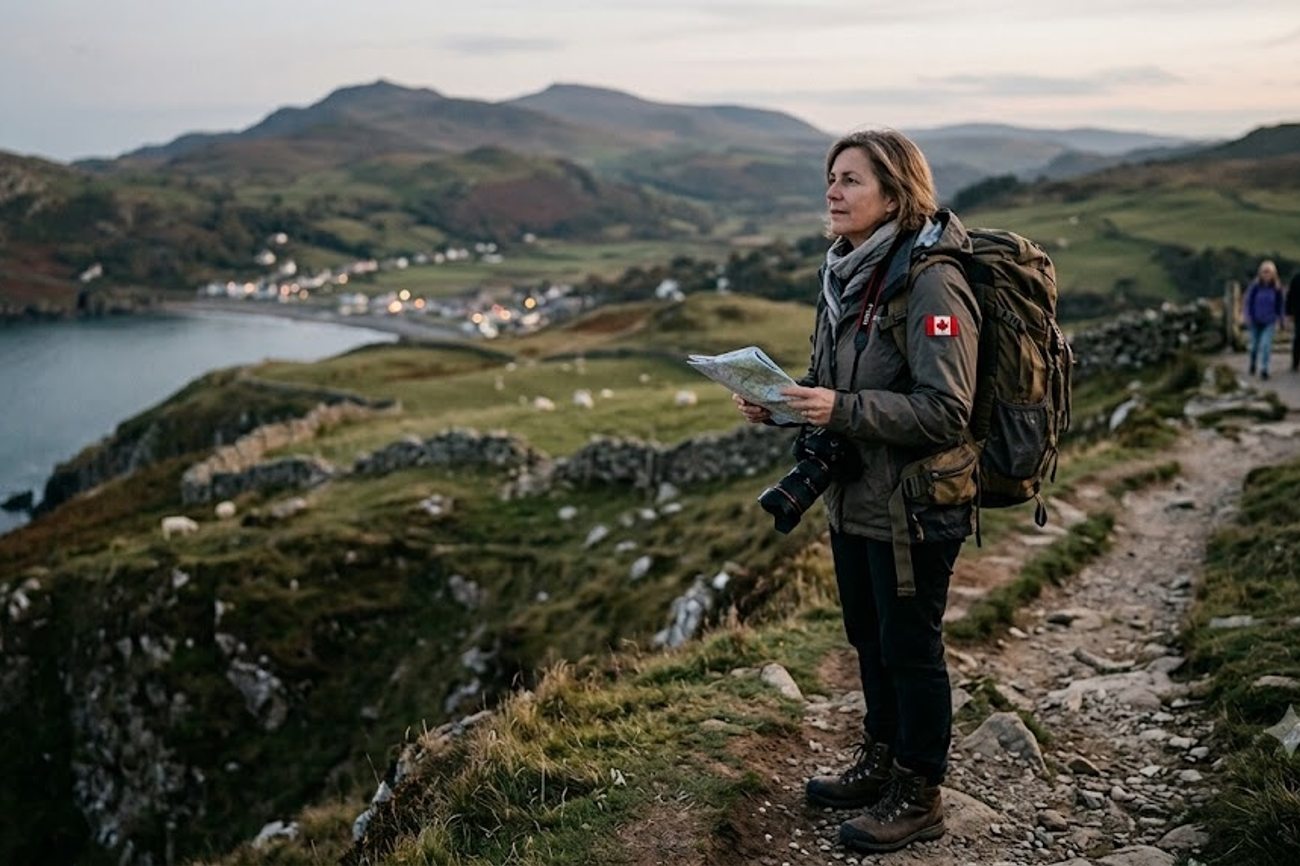
Image generated by AI
While millions of British residents flock to the Welsh coast and mountains, international visitors remain a rarity, with only 929,000 overseas travelers visiting in 2024. This stark imbalance reveals a destination that is deeply loved by its neighbors but remains a mystery to the rest of the world, despite contributing more than £488 million to the economy from international spend alone.
The Conversion Gap in the Celtic Fringe
Wales is currently grappling with a strange economic paradox. On one hand, the domestic tourism engine is firing on all cylinders. In 2025, residents of Great Britain made 7.76 million overnight trips to Wales, resulting in 23.48 million nights spent and a massive £2.30 billion in expenditure. When you add the 59.22 million day visits—which pumped £2.84 billion into local businesses—it is clear that the "product" of Wales is highly desirable.
However, the international recovery is lagging. While Scotland has seen inbound visitor numbers surge to 27% above 2019 levels, Wales is still operating 9% below its pre-pandemic baseline. Even London and the rest of England have recovered more effectively, sitting at 3% and 4% below 2019 levels, respectively. This suggests that the issue isn't a lack of global interest in the UK, but a failure to convert those arrivals into Welsh overnight stays. The average international visitor spends £297 per trip over a 3.0-night stay, but the volume of these travelers is simply too low compared to the domestic tide.
What Makes Wales Different
To understand why Wales feels different from its neighbors, you have to look at the friction of arrival. For a visitor from England, Wales is a seamless extension of their own geography. For an international traveler, it requires a conscious decision to move beyond the primary hubs of London or Manchester.
The physical experience of Wales is defined by a ruggedness that is less manicured than the English countryside and more intimate than the Scottish Highlands. It is a place where the linguistic heritage is still audible in the streets and the geography shifts violently from the industrial valleys of the south to the jagged peaks of Eryri (Snowdonia) in the north. The draw here is not the polished tourist circuit, but a sense of authenticity and raw natural beauty that appeals to those who find the primary UK hubs too crowded.
Visitor Insider Tips
Navigating Wales requires a shift in mindset. To experience the region like a local rather than a tourist, follow these guidelines:
According to the Visit Wales official tourism board, Wales attracts millions of domestic tourists each year, drawn to its stunning natural landscapes and rich cultural heritage. The country's unique blend of history, outdoor activities, and vibrant cities makes it an ideal destination for travelers from within the UK. As a result, domestic tourism in Wales has shown significant resilience in recent years.
The Transport Hack: Do not rely solely on Cardiff Airport. While it handled 958,000 terminal passengers in 2025 and serves 58 international airports across 26 countries, its flight volume remains 50% below 2019 levels. The smarter move is to utilize the massive capacity of Heathrow—which saw 84 million passengers in 2025—and take the rail link west. With 10.5 million passenger journeys recorded between England and Wales in 2024-25, the train is often the most efficient way to reach the coast.
Timing the Visit: Avoid the peak summer months when domestic traffic peaks. Instead, aim for the "shoulder" seasons of May or September. You will find the accommodation landscape—which ranges from traditional hotels to rented cottages—much more accessible and less expensive.
Regional Basing: For those seeking the mountains, base yourself in North Wales near the UNESCO World Heritage sites to minimize driving. For a cultural immersion, start in Cardiff but quickly move toward the Pembrokeshire coast to avoid the urban congestion.
Local Etiquette: When visiting the north and west, a simple "Diolch" (Thank you) goes a long way. The Welsh are fiercely proud of their language; acknowledging it opens doors to more authentic local experiences.
Cultural and Environmental Context
The tension in Welsh tourism lies in the balance between economic growth and environmental preservation. The sheer volume of domestic day trips—nearly 60 million annually—places an immense strain on rural infrastructure and coastal paths. This "day-tripper" culture often provides less economic value per person than the international overnight visitor, who stays longer and spends more.
There is a concerted effort to move the needle toward high-value, low-impact tourism. By encouraging international visitors to stay for four or more nights in rented cottages or boutique hotels, Wales can distribute wealth more evenly across its rural communities rather than concentrating it in a few high-traffic hotspots. This shift is essential for preserving the very landscapes that attract visitors in the first place, ensuring that the increase in rail connectivity and aviation access does not lead to the over-tourism seen in other parts of Europe. For official guidance on visiting responsibly, check the Visit Wales portal.
FAQ: Visiting Wales 2025
What is the best time to visit? May and September offer the best balance of weather and crowd levels. Summer is dominated by domestic travelers, making accommodation harder to secure.
How do I get there from London? While Cardiff Airport is an option, most international travelers fly into Heathrow and take the train west. Rail travel between England and Wales is robust and increasing in popularity.
Is it safe for solo travelers? Yes, Wales is exceptionally safe. The rural areas are welcoming, and the transport links between major towns are reliable for those traveling alone.
Do I need a visa? Visa requirements depend on your nationality and the UK government's current policies. Check the official UK government website for the most recent entry requirements.
Wales is not a place you simply visit; it is a place you feel in the wind and the silence of the peaks.
Related Travel Guides
- Türkiye Teams Up With Vietnam As New Partnership Opens Fresh Travel Opportunities Between Southeast Asia And Europe
- Vietnam’s Lao Cai Tourism Boom Grows With Record 9.8 Million Visitors During The First Nine Months Of 2026
- Kuwait Expands Coastal Tourism With New Sea Taxi Services Floating Attractions and Marine Experiences
This article is for informational purposes. Flight routes, passenger regulations, visa rules, and transit advisories are subject to change by airlines and aviation authorities. Readers are advised to verify schedules and travel documentation with relevant carriers and border agencies before departure.
Related Stories

Subsonic Music Festival 2026: Underground Electronic Beats and Riverside Camping in Monkerai NSW

Wales AI Fraud Alert 2026: Deepfake Travel Scams and Voice Cloning Target Welsh Families
