Vietnam’s FTSE Upgrade Puts Hotel Resort and Tourism Investment in the Global Spotlight

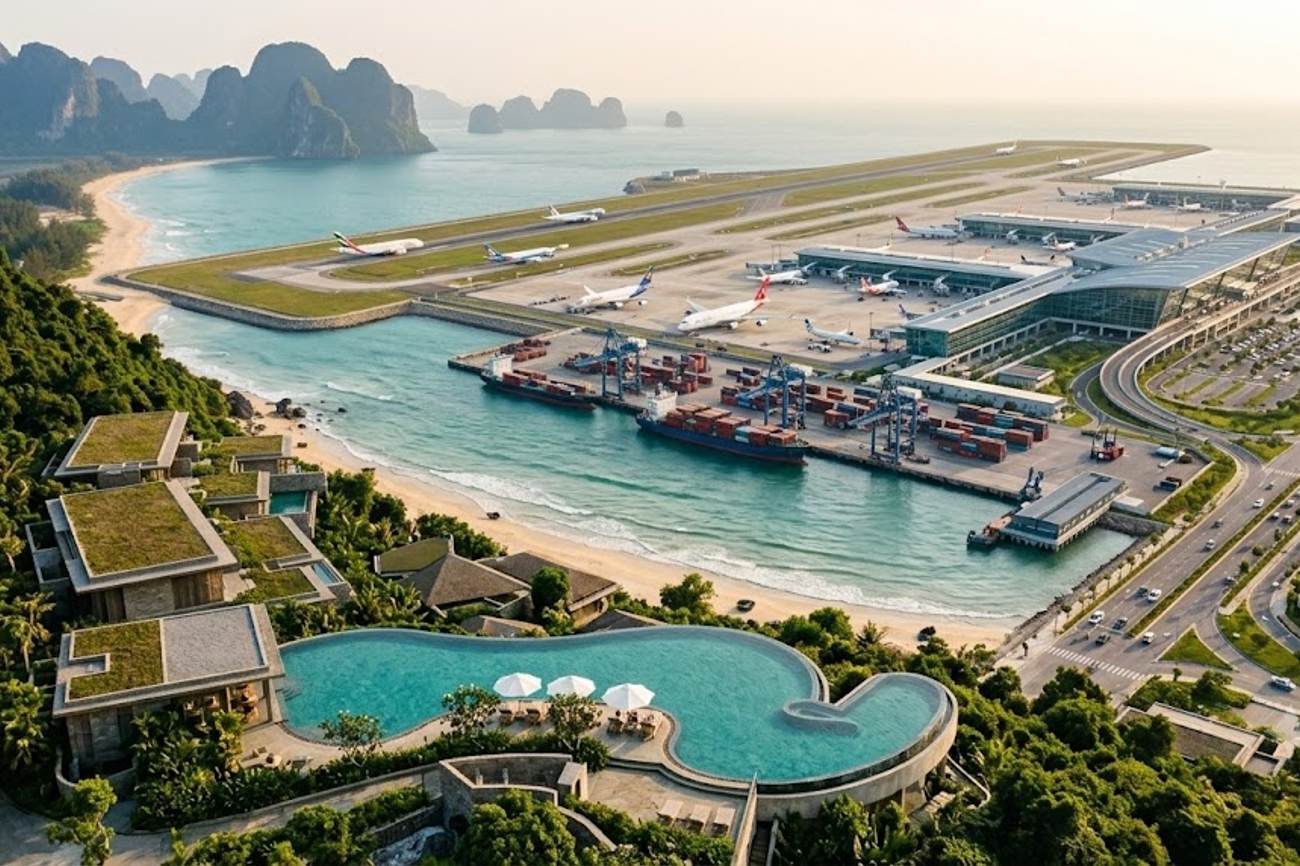
Image generated by AI
[Hanoi, September 21, 2026] — Vietnam has officially transitioned from "frontier" to "secondary emerging market" status within the FTSE Global Equity Index Series, opening the door for a surge of international capital into the nation's hotel and tourism sectors.
The reclassification, which took effect today, allows global investors to fund eligible Vietnamese companies listed on the primary exchanges in Hanoi and Ho Chi Minh City. While the move does not provide direct grants for specific resorts or airlines, it fundamentally alters how Vietnam’s publicly traded hospitality and infrastructure assets are viewed by institutional investment funds.
The FTSE Russell Reclassification
The shift is the result of updated ground rules established by FTSE Russell, the global index provider. By moving Vietnam out of the frontier category, the index signals to the global financial community that the Vietnamese market now meets higher standards of liquidity, investability, and transparency.
This is not a government subsidy or a direct allocation of funds to the tourism board. Instead, it is a structural change in market classification. For a Vietnamese tourism company to benefit, it must still satisfy strict eligibility and disclosure requirements set by the index provider. The move essentially places Vietnam's tourism-linked equities on the radar of massive index funds that previously ignored frontier markets due to risk profiles or regulatory constraints.
Markets and Entities Impacted
The upgrade specifically targets the equity markets of the two largest urban centers, though the ripple effects are expected to reach coastal leisure hubs.
| Impact Area | Status/Detail | Primary Relevance |
|---|---|---|
| Hanoi Stock Exchange | Eligible | Hub for corporate tourism and government-linked assets |
| Ho Chi Minh City Exchange | Eligible | Primary gateway for commercial hospitality and retail |
| Hospitality Sector | Indirectly Eligible | Increased visibility for listed hotel groups and developers |
| Aviation/Transport | Indirectly Eligible | Potential for higher investment in airport-linked infrastructure |
| Frontier Status | Terminated | Vietnam exits the high-risk "frontier" investment bracket |
Practical Traveler Advisory and Strategic Insights
For the average tourist booking a trip to Southeast Asia, this financial shift will not result in immediate changes to flight schedules, visa requirements, or hotel pricing. There are no new entry rules or travel restrictions tied to this index upgrade.
However, the long-term passenger impact is centered on infrastructure quality. Tourism authorities in Vietnam intend to leverage the increased availability of international funding to modernize tourism-related infrastructure. For the traveler, this likely translates to:
- Enhanced Airport Capacity: Potential for reduced congestion at major gateways as investment flows into terminal expansions.
- Improved Regional Access: Better road and transport links between major cities and remote coastal resorts.
- Higher Service Standards: Increased capital for staff training and technology upgrades in listed hotel chains.
- Diversified Accommodations: A potential increase in the volume of high-end resorts funded by international equity.
The Commercial Drivers of Investment
The timing of this upgrade coincides with robust domestic growth. According to data from the Vietnam National Authority of Tourism, the country hosted 113 million domestic visitors during the first eight months of 2026. This represents a 6.6 per cent increase over the same period in the previous year.
This domestic resilience provides a "commercial reference point" for investors. It proves that the Vietnamese hospitality market is not solely dependent on volatile international arrivals, but is supported by a strong internal economy of weekend travelers, festival-goers, and regional business clients.
Furthermore, Vietnam is aggressively pursuing the MICE (Meetings, Incentives, Conferences, and Exhibitions) segment. The Vietnam National Authority of Tourism reports that the MICE market has now approached a valuation of US$6 billion. The convergence of a secondary emerging market status and a booming MICE sector creates a synergy: international firms are more likely to visit Vietnam for corporate events if they are simultaneously analyzing the country as a viable destination for equity investment.
Aviation and Infrastructure Outlook
While the FTSE upgrade does not mandate the creation of new flight routes, it is expected to drive "due diligence travel." Institutional investors, analysts, and fund managers will likely increase their frequency of trips to Hanoi and Ho Chi Minh City to conduct site visits and corporate meetings. This specific trend typically benefits premium cabin bookings and luxury business hotels in urban centers.
The ultimate success of this investment shift depends on the Civil Aviation Authority of Vietnam and other regulatory bodies maintaining a stable environment. Index status cannot fix fundamental bottlenecks; a luxury resort remains unviable if airport congestion or poor road access prevents guests from reaching the property. Consequently, the focus now shifts from financial classification to physical execution—specifically the delivery of new terminals and improved ground transportation.
FAQ: Vietnam Tourism Investment 2026
Does this change my visa requirements for Vietnam? No. The FTSE reclassification is a financial market designation and has no impact on immigration laws, visa applications, or entry requirements for international tourists.
Will hotel prices increase because of this investment? Not directly. While new capital may lead to the construction of more luxury properties, the upgrade itself does not dictate pricing. Room rates will continue to be driven by market demand and occupancy levels.
Are there new flights available due to this news? No. Airlines determine their routes based on passenger demand and aircraft availability. While an increase in business travel is expected, no new flight paths have been launched specifically because of the index change.
Which cities will benefit most from this change? Hanoi and Ho Chi Minh City will see the most immediate financial activity due to their stock exchanges. However, leisure hubs like Da Nang, Nha Trang, and Phu Quoc may see long-term benefits through infrastructure funding.
Vietnam has moved from the financial periphery to the emerging center; now the infrastructure must catch up to the investment.
Related Travel Guides
This article is for informational purposes. Flight routes, passenger regulations, visa rules, and transit advisories are subject to change by airlines and aviation authorities. Readers are advised to verify schedules and travel documentation with relevant carriers and border agencies before departure.
Related Stories

Preferred Hotels & Resorts Accelerates Middle East Expansion: Çağlar Göncüler Appointed to Steer UAE and Egypt Luxury Sales