
Vietnamese Hotel Groups Can Become Southeast Asian Champions as Local Agility Meets International Standards
Vietnamese Hotel Groups Can Become Southeast Asian Champions as Local Agility Meets International Standards

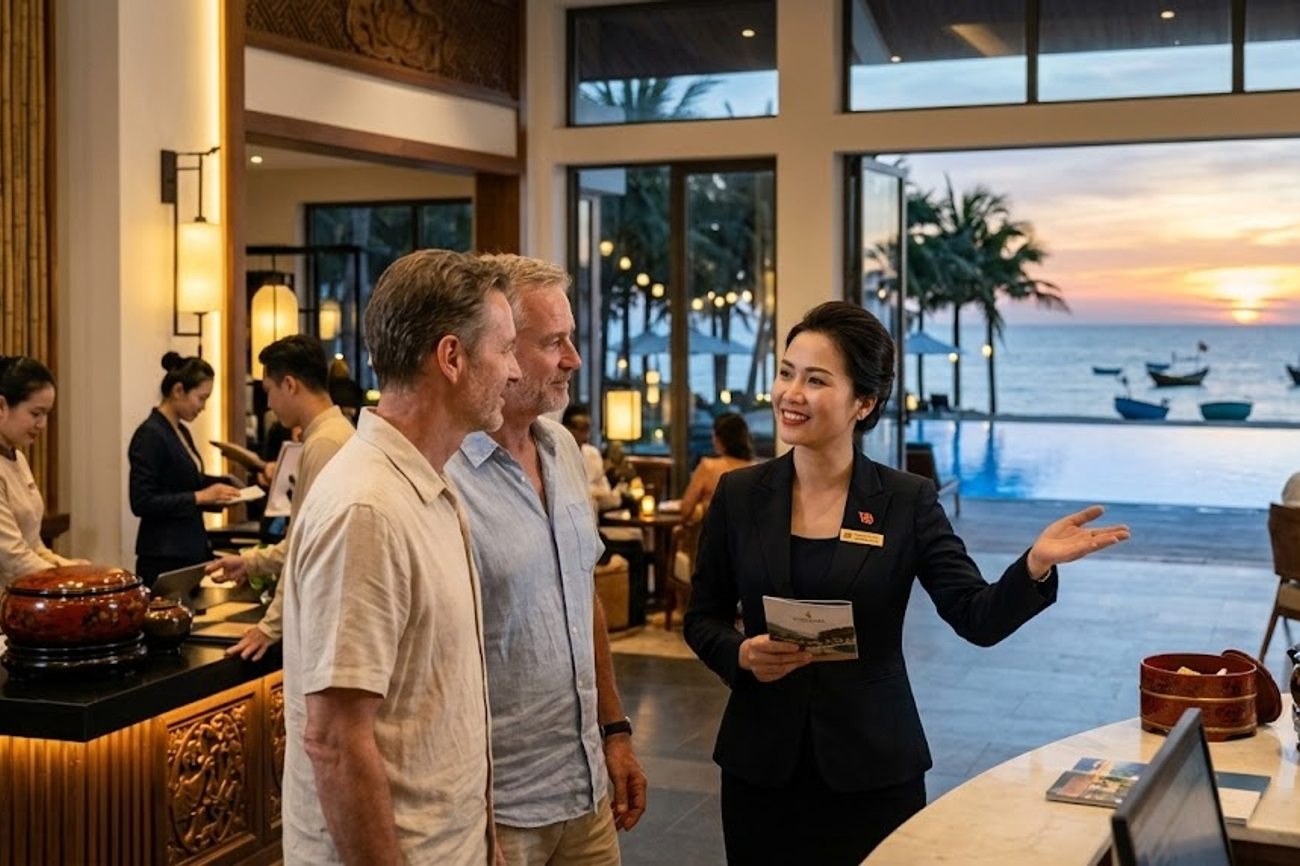
Image generated by AI
Vietnamese hotel ownership groups are currently outmaneuvering global hospitality giants not through budget, but through sheer speed of decision-making. While a corporate board in Europe or North America might spend months debating a capital expenditure request, local Vietnamese developers can approve major investments and pivot their entire service model in a fraction of the time. This agility is transforming the region from a destination of affordable guest houses into a powerhouse of high-end, locally-owned luxury resorts that rival the scale and design of any international chain.
The Rise of the Local Luxury Powerhouse
For decades, the gold standard in Southeast Asia was defined by foreign flags. If you wanted a guaranteed level of service, you booked a brand you recognized from your home country. However, a fundamental shift is occurring across Vietnam's coastline. Local hospitality groups are no longer content with being the "budget" alternative; they are now competing head-to-head with international operators on architectural ambition and resort scale.
The current trend is a move toward "agile luxury." Local owners are leveraging their proximity to the actual assets to implement changes rapidly. Whether it is upgrading a spa facility to meet the demands of a new demographic or redesigning a lobby to better suit the humid climate of Cam Ranh, the speed of execution is giving Vietnamese brands a competitive edge. They are blending the rigorous quality of international standards with a level of flexibility that rigid corporate structures cannot match.
This evolution is particularly evident in the way these properties are being designed. Rather than applying a one-size-fits-all global template, new developments are being tailored to specific source markets. For example, resorts targeting regional Asian travelers—who typically prefer shorter, high-intensity stays—are prioritizing efficiency and rapid-access amenities. Meanwhile, properties courting visitors from Europe or the Americas are building expansive territories with diverse activities to sustain guests staying for 7, 10, or 14 nights.
What Makes Vietnam's New Hospitality Wave Different
The distinction between a global chain and a rising local group in Vietnam comes down to the tension between consistency and character. International brands offer a "safe" experience; you know exactly how the housekeeping will function and what the breakfast buffet will look like. While this provides reassurance, it can also be sterile.
Vietnamese operators are finding their niche by arguing that "standard" can often be synonymous with "boring." By maintaining the baseline expectations of luxury—such as high-thread-count linens and professional concierge services—while injecting local cultural nuances and daring design, they are creating experiences that drive organic word-of-mouth growth. This approach moves away from the generic "international style" and toward a luxury that feels rooted in the soil of the destination.
Furthermore, the geopolitical landscape is actively reshaping who stays in these hotels. We are seeing a significant surge in Russian travelers who, due to shifting patterns and conflicts in the Middle East, are bypassing traditional hubs for Southeast Asia. This influx is forcing local hotels to elevate their service delivery. The goal is no longer just to fill rooms during a demand spike, but to convert these temporary visitors into lifelong loyalists by exceeding the luxury expectations they previously associated with Middle Eastern hospitality.
Visitor Insider Tips
Navigating the luxury scene in Vietnam requires a different approach than visiting a standard city hotel. To truly experience the "local luxury" movement, consider these insider strategies:
Where to Base Yourself: If you want to see the cutting edge of this architectural shift, head to Cam Ranh. While Nha Trang is the traditional hub, the newer developments in Cam Ranh are where the most ambitious local groups are testing their luxury propositions. For a blend of heritage and modern hospitality, the outskirts of Hoi An offer resorts that integrate UNESCO-recognized cultural surroundings with high-end local ownership.
Timing Your Visit: To avoid the peak crowds of the regional Asian market, avoid the Lunar New Year (Tet) period. Instead, aim for the shoulder seasons of March to May or September to November. During these windows, the agile local resorts often offer more personalized service and better rates as they balance their source market demands.
Etiquette and Expectations: When staying at a locally-owned luxury property, you will find a deep emphasis on hospitality (hiếu khách). While the standards are international, the warmth is local. A small tip or a genuine "Cảm ơn" (thank you) goes a long way in building a rapport with the staff, who often have more autonomy to customize your stay than employees at a rigid international chain.
Transport Hacks: For those staying in the newer resort clusters, avoid relying solely on hotel cars, which can be overpriced. Use a reputable ride-hailing app like Grab for shorter trips, but for longer excursions, negotiate a daily rate with a local driver. This not only saves money but provides a more authentic lens through which to see the countryside.
For official travel requirements and updated entry guidelines, always check the Vietnam National Administration of Tourism.
Cultural and Environmental Context
The rapid scaling of luxury resorts in Vietnam is not without its complexities. The push for "resort scale" often puts pressure on coastal ecosystems and local fishing communities. The challenge for the next generation of Vietnamese hotel groups is to balance this commercial ambition with environmental stewardship.
There is a growing movement toward integrating sustainable architecture—using local materials and reducing carbon footprints—into these high-end designs. Because local owners are more agile, they have the potential to implement green technologies faster than a global corporation that must wait for a headquarters' mandate.
Moreover, the interaction between luxury tourism and local heritage is a delicate balance. In areas like Hoi An, a UNESCO World Heritage site, the hospitality industry must ensure that the growth of premium resorts does not overshadow the living history of the town. The most successful local groups are those that create "permeable" resorts—properties that invite the local community in and provide guests with authentic cultural exchanges rather than isolated luxury bubbles.
To understand the broader regional context of how these trends fit into Southeast Asian travel, the ASEAN Tourism Forum provides insights into the collaborative efforts to standardize quality across the bloc while preserving national identities.
FAQ: Visiting Vietnam 2026
What is the best time to visit Vietnam's luxury resorts? The ideal window is typically March to May or September to November. These periods offer a balance of favorable weather and lower occupancy rates compared to the peak winter months or the Tet holiday surge.
Do I need a visa for Vietnam? Visa requirements vary by nationality. Many travelers can use the e-visa system. Always check the official government portal or your embassy at least one month before departure to ensure your documentation is current.
How do I get to the newer resort areas like Cam Ranh? The most efficient way is to fly into Cam Ranh International Airport (CXR). From there, most luxury resorts provide shuttle services, or you can use Grab for a reliable and transparently priced transfer to your hotel.
Is it safe for solo luxury travelers? Yes, Vietnam is generally very safe for solo travelers. High-end resorts provide secure environments, and the local culture is welcoming. Using registered transport and staying in reputable properties further ensures a seamless experience.
The future of Southeast Asian luxury isn't being written in a corporate boardroom in New York or London, but in the rapid, daring developments along the Vietnamese coast.
#VietnamTravel2026 #CamRanhLuxury #SoutheastAsiaHospitality #VietnamResorts #LocalLuxuryTrend
Related Travel Guides
Disclaimer
This article is for informational and educational purposes only. It does not constitute legal, financial, or professional advice. While we strive to provide accurate and up-to-date information, travel policies, regulations, and conditions change rapidly. Always verify information with official sources before making travel decisions. Nomad Lawyer makes no representations about the accuracy, reliability, completeness, or suitability of the information provided. Readers should consult qualified professionals for advice specific to their circumstances. The views expressed in this article are those of the author and do not necessarily reflect the views of Nomad Lawyer.
Preeti Gunjan
Contributor & Community Manager
A passionate traveller and community builder. Preeti helps grow the Nomad Lawyer community, fostering engagement and bringing the reader experience to life.
Learn more about our team →