
Vietnam Travel Boom: Southeast Asia Star Wins Repeat Visitors Through Culture and Coastal Wonders
Vietnam Travel Boom: Southeast Asia Star Wins Repeat Visitors Through Culture and Coastal Wonders

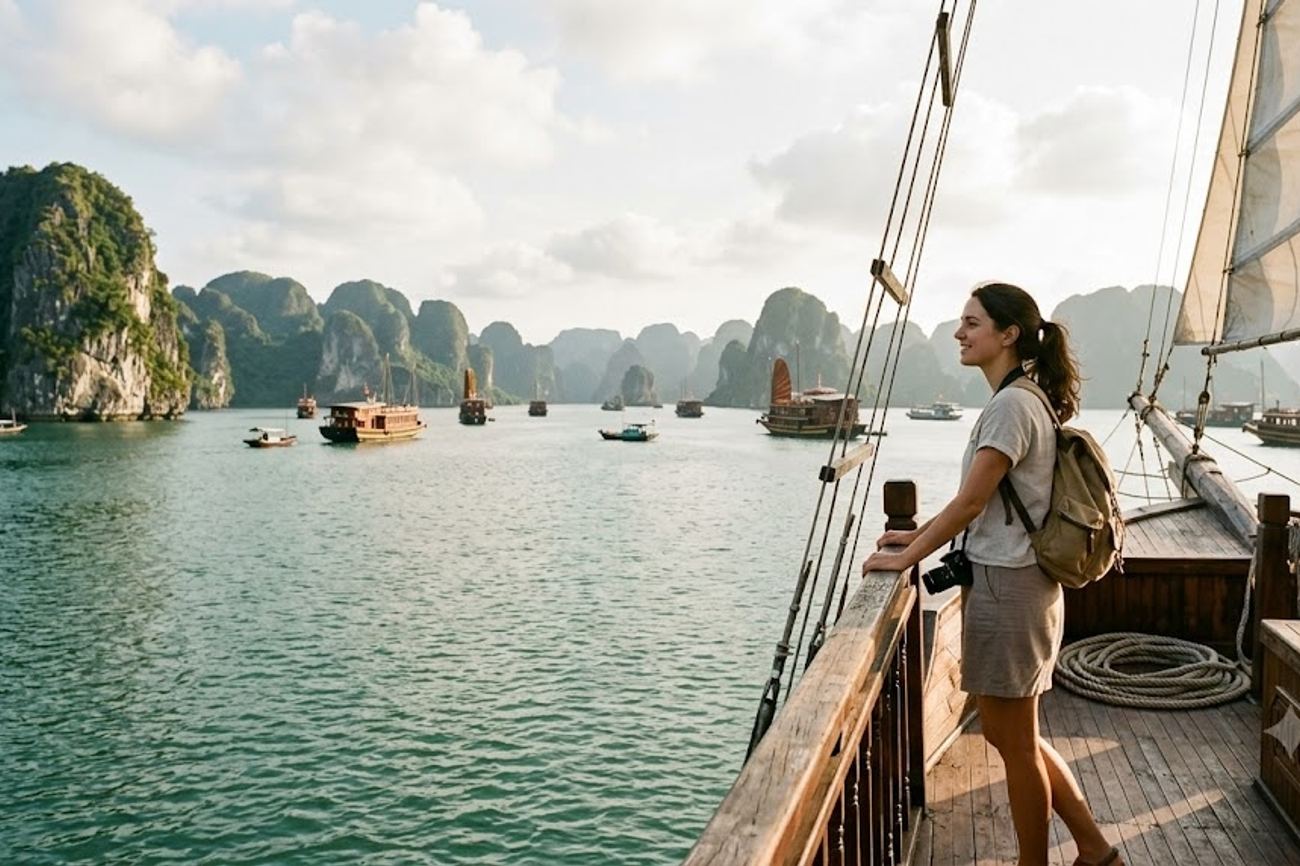
Image generated by AI
[Hanoi, May 2024] — Vietnam has emerged as a primary hub for repeat international tourism in East and Southeast Asia, trailing only Japan and Thailand in visitor loyalty rankings. New data from Agoda indicates a systemic shift in traveler behavior, as foreign tourists move away from single-visit itineraries toward multiple, deeper explorations of the country's diverse regions.
The surge in returning guests is driven by a strategic combination of expanded visa accessibility, modernized transportation networks, and a diversified tourism product that separates urban energy from coastal relaxation. This trend signals Vietnam's successful transition from a "bucket-list" destination to a long-term travel preference for the global nomad and leisure markets.
The Catalyst for Visitor Loyalty
The transition toward repeat visitation is not accidental but the result of targeted infrastructure investments and a broadening of the national tourism portfolio. While first-time visitors typically adhere to a rigid North-South corridor, returning travelers are diversifying their footprints, spending more time in secondary cities and remote provinces.
Key drivers fueling this loyalty include:
- Diversified Geography: The ability to offer contrasting experiences—from the alpine climate of the north to the tropical islands of the south—within a single national border.
- Economic Value: High affordability relative to luxury standards continues to attract budget-conscious high-frequency travelers.
- Infrastructure Scaling: Significant upgrades to domestic aviation and highway systems have reduced the friction of inter-city travel.
- Cultural Depth: A shift toward "slow travel" where visitors return to study regional dialects, traditional crafts, and local histories.
Regional Distribution of Repeat Tourism
The growth is not uniform across the country but concentrated in specific hubs that offer distinct "lifestyle" profiles. These cities act as anchors for returning visitors who may have only visited one or two of these locations during their initial trip.
| Destination | Primary Appeal for Repeat Visitors | Key Attractions |
|---|---|---|
| Da Nang | Modern infrastructure & coastal access | My Khe Beach, Marble Mountains, proximity to Hoi An |
| Ho Chi Minh City | Urban dynamism & commerce | Colonial architecture, nightlife, culinary hubs |
| Hanoi | Heritage & traditionalism | The Old Quarter, museums, street food culture |
| Phu Quoc | Luxury isolation & nature | White-sand beaches, snorkeling, high-end resorts |
| Nha Trang | Marine leisure & wellness | Coastal resorts, diving, seafood gastronomy |
Da Nang, in particular, has solidified its status as a repeat-visit powerhouse. By positioning itself as the gateway to the UNESCO World Heritage Site of Hoi An Ancient Town, the city allows travelers to blend high-end urban amenities with deep historical immersion.
What This Means for Travelers
For the modern traveler or digital nomad, Vietnam's shift toward a repeat-visit model translates into several practical advantages. The government's focus on returning guests has led to a more sophisticated service ecosystem.
Simplified Entry and Movement Recent expansions in visa policies have reduced the administrative burden for those entering the country multiple times per year. Travelers can now plan more flexible, fragmented trips rather than one exhaustive tour.
Enhanced Regional Connectivity The investment in airports and highways means that destinations like Phu Quoc are no longer isolated. Increased flight frequencies via Vietnam Airlines and other domestic carriers allow for "island hopping" or "city switching" with minimal downtime.
Specialized Tourism Niches The rise of food tourism is a primary driver for return trips. Because Vietnamese cuisine varies drastically by region—with the north favoring savory and salty profiles and the south leaning toward sweetness—food enthusiasts are returning specifically to map the culinary differences between Hanoi and Ho Chi Minh City.
The Future of Vietnamese Tourism Infrastructure
The trajectory of Vietnam's tourism sector suggests a move toward "quality over quantity." By prioritizing repeat visitors, the industry is focusing on higher-spending guests who stay longer and explore beyond the primary tourist traps.
Future developments are expected to focus on:
- Island Expansion: Phu Quoc is being positioned as a premier luxury hub to compete with other Southeast Asian island destinations, integrating nature conservation with high-end hospitality.
- Sustainable Heritage: Increased investment in preserving the traditional architecture of Hanoi and Hoi An to ensure the "cultural product" remains authentic for long-term visitors.
- Digital Integration: Improvements in visitor services and digital payment systems to cater to the tech-savvy international nomad.
The ongoing coordination between the Vietnam National Authority of Tourism and private sector stakeholders is aimed at creating a seamless "visitor lifecycle," where the first trip serves as a teaser for a lifetime of return visits.
FAQ: Vietnam Repeat Travel 2024
Why are so many tourists returning to Vietnam instead of visiting new countries? Vietnam offers extreme geographic and cultural diversity. A visitor can experience a bustling metropolis, a quiet colonial town, and a tropical island all in one country, making it feel like multiple destinations in one.
Which city is best for a second-time visitor? Da Nang is highly recommended for returnees. It offers a perfect balance of modern beach resorts and easy access to the historic charm of Hoi An, providing a different pace than the chaos of Hanoi or Ho Chi Minh City.
How has the visa process changed for frequent travelers? Vietnam has expanded its visa policies to make entry more flexible, allowing international visitors to plan shorter, more frequent trips rather than one long stay.
Is the food really that different between the North and South? Yes. Northern cuisine (Hanoi) is generally more subtle and traditional, while Southern cuisine (Ho Chi Minh City) is more vibrant and sweet, often influenced by Cambodia and Thailand.
Vietnam is no longer just a stop on a Southeast Asian tour; it is becoming the destination.
#VietnamTourism2024 #Da Nang #PhuQuoc #AgodaData #VietnamTravel #ASEANTourism
Related Travel Guides
Disclaimer
This article is for informational and educational purposes only. It does not constitute legal, financial, or professional advice. While we strive to provide accurate and up-to-date information, travel policies, regulations, and conditions change rapidly. Always verify information with official sources before making travel decisions. Nomad Lawyer makes no representations about the accuracy, reliability, completeness, or suitability of the information provided. Readers should consult qualified professionals for advice specific to their circumstances. The views expressed in this article are those of the author and do not necessarily reflect the views of Nomad Lawyer.
Raushan Kumar
Founder & Lead Developer
Full-stack developer with 11+ years of experience and a passionate traveller. Raushan built Nomad Lawyer from the ground up with a vision to create the best travel and law experience on the web.
Learn more about our team →