
Vietnam Smart Tourism Initiative 2026: AI Integration and Digital Transformation in Hanoi
Vietnam is aggressively deploying AI-driven crowd management, VR heritage exploration, and centralized data hubs to modernize tourism by 2030, focusing on reducing reliance on global booking aggregators.

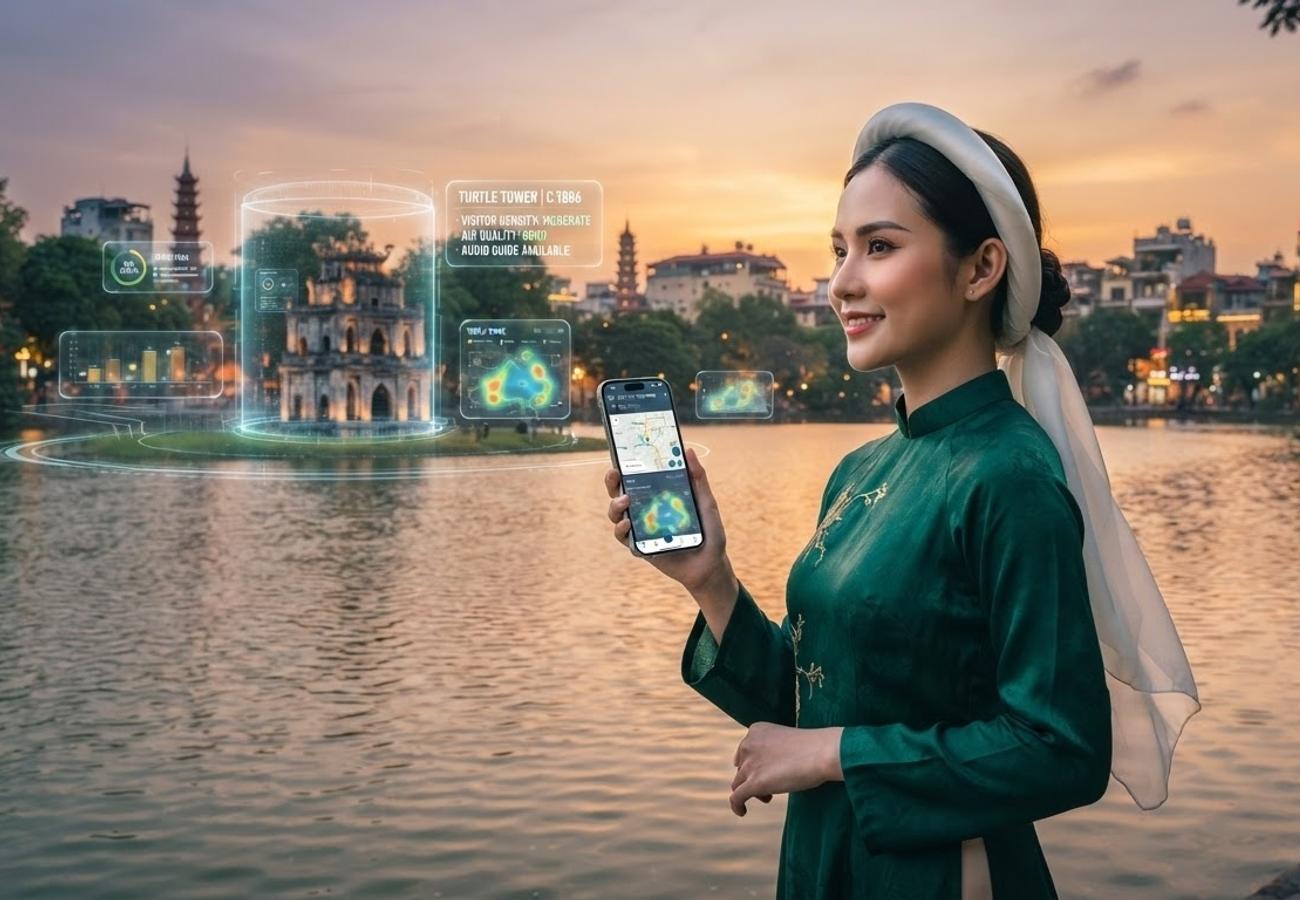
Image generated by AI
Vietnam is implementing a national strategic shift toward "smart tourism," utilizing AI-driven analytics and immersive tech to optimize visitor flows and reduce dependency on foreign booking platforms.
The Vietnamese government has designated digital transformation as a core national priority to ensure sustainable economic growth. The current strategy moves beyond basic digitization toward a unified ecosystem where data-driven insights dictate operational management. A primary objective is the transition of underused statistical assets into active operational tools to sharpen travel management across the region.
Hanoi Digital Roadmap and Implementation Goals
The capital city of Hanoi has established a comprehensive roadmap to complete its digital tourism platform by 2030. This initiative aims to integrate the tourism sector into the broader creative economy through five primary operational pillars:
- Shared Analytics Platforms: Deployment of centralized systems to monitor crowd density in real time, specifically targeting the prevention of bottlenecks at high-traffic historical landmarks.
- Demographic Market Segmentation: Use of advanced data collection to categorize visitor preferences, enabling local operators to deploy personalized itineraries.
- Digitization of Artisan Hubs: Integration of e-commerce and interactive maps for traditional craft villages to connect local makers with international buyers.
- Public-Private Tech Partnerships: Collaboration with technology firms to build scalable infrastructure and streamline administrative bureaucracy.
- Technical Upskilling: Implementation of specialized workshops for hospitality staff to master AI-driven management software.
Evolution of Transit and Visitor Infrastructure
Vietnam's transition to smart tourism followed a phased implementation of foundational technology before moving toward the current high-level AI integrations.
| Phase | Implementation Focus | Key Technologies Deployed | Impact on Visitor Flow |
|---|---|---|---|
| Foundational | Basic Digitization | Multi-language automated audio guides | Reduced reliance on physical guides |
| Operational | Access Management | Electronic ticketing (e-ticketing) | Decreased gate wait times |
| Promotional | Digital Outreach | Facebook and YouTube destination marketing | Increased global visibility |
| Advanced | Immersive Experience | 3D Projection Mapping & VR Headsets | Enhanced historical reconstruction |
| Integrated | Ecosystem Management | All-in-one mobile apps & Robotic receptionists | Seamless booking and navigation |
Traveler Logistics Guide: Navigating Smart Vietnam
From a ground-level perspective, the best way to navigate the evolving digital landscape in Vietnam is to lean into the integrated mobile ecosystem. The shift toward "All-in-One" platforms means that fragmented bookings are becoming obsolete.
Connection and Booking Strategy For those visiting Hanoi, be aware that the city is actively pushing for domestic booking alternatives to reduce the high commission fees paid to global aggregators by the roughly 7,000 lodging facilities in the city. To find more competitive rates and support local infrastructure, travelers should look for domestic platforms integrated with the city's new smart tourism hub.
Navigating Heritage Sites When visiting the Vietnam National Fine Arts Museum or other major landmarks, utilize the interactive robotic receptionists for route optimization. To avoid the "bottleneck" situations the government is currently monitoring via real-time analytics, check local smart-city apps for crowd density alerts before departing your hotel.
Digital Documentation As Vietnam streamlines its entry and ticketing processes, ensure all travel documents are digitized. E-ticketing is now the standard for major attractions; carrying physical printouts is increasingly unnecessary and may actually slow down entry at automated gates.
Infrastructure Impact Assessment
The shift toward predictive modeling and AI is designed to solve the chronic issue of over-tourism at specific heritage sites. By using AI algorithms to forecast seasonal spikes and analyze traveler sentiment in real time, Vietnam can redistribute tourist traffic more evenly across its provinces.
Furthermore, the move toward centralized data hubs reduces the vulnerability of local businesses to the pricing whims of global booking giants. By standardizing information across destinations and guest reviews into a national database, regional operators gain significantly more control over their market positioning and pricing strategies.
The integration of AI and VR is turning Vietnam's historical sites from static monuments into interactive digital experiences.
Related Travel Guides
Disclaimer
This article is for informational and educational purposes only. It does not constitute legal, financial, or professional advice. While we strive to provide accurate and up-to-date information, travel policies, regulations, and conditions change rapidly. Always verify information with official sources before making travel decisions. Nomad Lawyer makes no representations about the accuracy, reliability, completeness, or suitability of the information provided. Readers should consult qualified professionals for advice specific to their circumstances. The views expressed in this article are those of the author and do not necessarily reflect the views of Nomad Lawyer.
Raushan Kumar
Founder & Lead Developer
Full-stack developer with 11+ years of experience and a passionate traveller. Raushan built Nomad Lawyer from the ground up with a vision to create the best travel and law experience on the web.
Learn more about our team →