
Vietnam Ignites a New Rural Tourism Boom, Urging Travelers to Explore Indigenous Culture and Authentic Village Customs: New Travel Alert
Vietnam is experiencing a countrywide rural tourism transformation, utilizing over 600 agricultural models to generate 25 trillion VND in annual revenue.

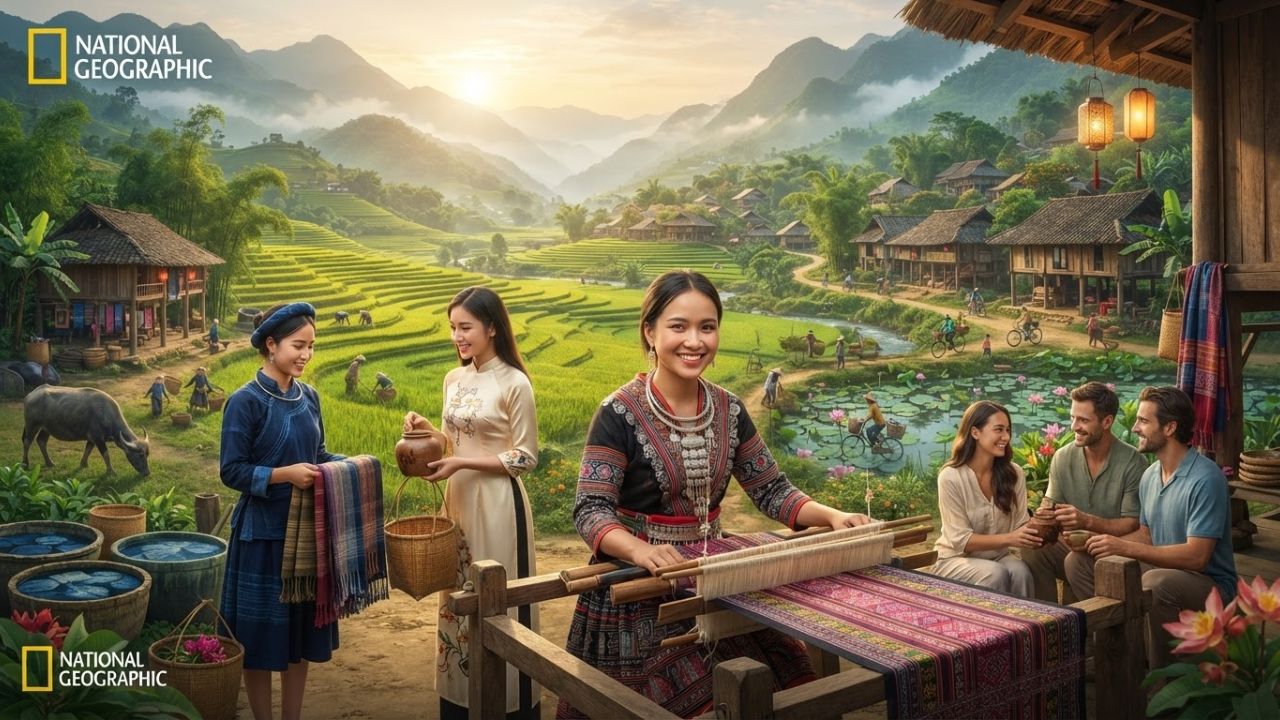
Image generated by AI
Published on July 17, 2026
Vietnam has launched a significant countryside development initiative, igniting a rural tourism surge that connects international travelers with indigenous culture, ancient weaving crafts, and traditional stilt houses. Operating more than 600 agricultural and community-based models, the sector now generates over 25 trillion VND (approximately 956 million USD) in annual revenue to support regional economies. Travelers are urged to explore these hidden heritage destinations, which offer authentic village experiences while supporting conservation and women's cooperatives.
Quick Summary
- Macroeconomic Growth: Vietnam's rural travel sector operates over 600 models, generating 25 trillion VND (956 million USD) annually.
- Nghe An Brocade Weaving: Hoa Tien village uses Thai ethnic heritage, fabric dyeing, and silk production to support 150 cooperative members.
- Thai Nguyen Living Museum: Thai Hai village preserves Tay ethnic stilt houses, Then singing, and the traditional Tinh lute for visitors.
- Digital & Green Integration: Authorities are promoting digital transformation and OCOP (One Commune One Product) goods to expand smart tourism.
Background: The Drivers Behind Vietnam's Rural Tourism Transformation
The rising demand for authentic, low-impact travel options has prompted tourism boards to look beyond major cities and coastal resorts. By focusing on agricultural landscapes and ethnic customs, local authorities are establishing sustainable development pathways that benefit remote communities. In Vietnam, this shift is bringing travelers directly into agricultural valleys, where ancient customs and traditional livelihoods are preserved as cultural assets.
The growth of rural tourism relies on close coordination between agricultural cooperatives and provincial tourism departments. By transforming rural communes into interactive heritage sites, the country helps families diversify their livelihoods beyond farming. This framework protects local identity, funds village infrastructure, and offers travelers a chance to participate in authentic village experiences that cannot be replicated in urban areas.
Incident Details: Prominent Destinations and Village Experiences
The current rural tourism surge is highlighted by successful models in Nghe An and Thai Nguyen provinces, where local communities manage historic assets:
Hoa Tien Village, Nghe An Province
Located in Chau Tien commune, Hoa Tien village showcases the traditional brocade weaving of the Thai ethnic community. Managed by cooperative director Sam Thi Bich, the initiative supports around 150 members and over 50 households involved in mulberry cultivation, silkworm farming, fabric dyeing, and silk production. Visitors can participate in hands-on weaving sessions and purchase handmade items like scarves, handbags, and wallets. Local authorities are upgrading roads and training young residents to expand eco-cultural activities, including forest exploration and homestays.
Thai Hai Village, Thai Nguyen Province
Thai Hai village operates as a living museum centered around the traditional lifestyle of the Tay ethnic community. Visitors experience authentic customs by staying in historic stilt houses, sampling local dishes, and listening to Then singing accompanied by the Tinh lute. The visitor journey begins with a traditional hand-washing ritual at the village well, symbolizing the removal of daily worries before entering the community. Nguyen Thi Thanh Hai, director of the Thai Hai Reserve Area, emphasizes that the village's primary attraction is its active, daily indigenous customs.
Risks, Environmental Pressures, and Tourism Challenges
Expanding tourism activities in rural areas requires careful planning to prevent negative impacts:
- Ecosystem Strain: High visitor volumes in forest areas can damage local biomes.
- Cultural Shift: Over-commercialization can dilute the authenticity of local customs.
- Infrastructure Gaps: Remote villages often lack waste disposal and paved roads.
- Training Gaps: Residents require training in hospitality and digital marketing.
- Income Inequality: Revenue may concentrate in few households, dividing communities.
What Tourism Authorities and National Leaders Recommend
Authorities want to ensure rural tourism grows sustainably. Nguyen Chu Thu, of the Thai Nguyen Department of Culture, Sports and Tourism, noted plans to attract investment around Nui Coc Lake while protecting identity.
Nguyen Xuan Dai, Chief of the Central Coordination Office, emphasized that rural travel depends on preserving craft villages while adopting digital tools. The Ministry of Agriculture and Environment has outlined plans to strengthen policies for OCOP goods and community tourism during the 2026-2030 period.
Practical Traveler Advice: Planning Your Countryside Visit
To ensure a respectful journey through Vietnam's rural regions, follow these tips:
- Hire Local Guides: Use community guides to ensure your spend directly supports the village.
- Respect Rituals: Participate in customs like the Thai Hai hand-washing ritual with care.
- Buy OCOP Goods: Purchase certified local textiles and tea to support makers.
- Choose Homestays: Stay in community-run lodges instead of external resorts.
- Dress Modestly: Wear respectful clothing when entering traditional stilt houses.
- Learn Local Terms: Learn basic greetings in Vietnamese to show respect.
- Leave No Trace: Carry your trash out of remote forest zones.
- Book Craft Sessions Early: Reserve silk weaving sessions in Nghe An in advance.
Broader Context and National Significance
Agricultural tourism is a key component of Vietnam’s national programs for rural development. Combining ecological tourism with handicrafts helps reduce rural migration by creating stable local jobs, especially for ethnic minority women.
Looking Ahead: Future Smart Tourism Plans
During the 2026-2030 period, ministries will focus on digital transformation across rural cooperatives, including training local operators in online booking systems and promoting OCOP goods on digital platforms.
Comparison with Traditional Mass Tourism
Traditional mass tourism concentrated travelers in high-density resorts, causing environmental strain. In contrast, the modern rural model focuses on low-impact, community-owned enterprises, ensuring natural assets are protected.
FAQ: Vietnam Rural Tourism and Village Stays 2026
What is the economic impact of rural tourism in Vietnam?
The sector operates over 600 models and generates more than 25 trillion VND (956 million USD) annually.
What cultural experiences can I expect in Thai Hai village?
Visitors stay in Tay stilt houses, join a hand-washing ritual, and listen to Then singing and Tinh lute music.
How does the brocade weaving cooperative support women?
The Hoa Tien cooperative supports 150 members, providing local women with silk production income during slow seasons.
What are OCOP products in Vietnam?
OCOP goods are certified regional products, like tea or textiles, supporting rural economies.
Conclusion
Vietnam's rural tourism model demonstrates how community participation and heritage preservation can drive sustainable economic growth. By transforming villages into living museums and supporting local cooperatives, the country offers unique experiences for travelers. Staying informed about local guidelines and choosing community-based stays ensures a successful journey.
SEO Specifications (For Editor Reference)
- Article Tags: Vietnam, rural tourism, village experiences, cultural heritage, OCOP products
Related Travel Guides
- Vietnam, Brazil, Morocco, Bhutan, and Japan Transform Global Travel Into Engines for Trade and Infrastructure: New Travel Alert
- Santiago, Yasuní, Montana, Santa Fe, Kimberley, Ngorongoro, Cambodia, and Sicily Revealed as Eight Extraordinary Destinations Redefining Future Holidays: New Travel Alert
- 10 Essential Tips for Exploring Rural Vietnam and Navigating the Village Tourism Boom: A Traveler's Guide
Disclaimer
This article is for informational and educational purposes only. It does not constitute legal, financial, or professional advice. While we strive to provide accurate and up-to-date information, travel policies, regulations, and conditions change rapidly. Always verify information with official sources before making travel decisions. Nomad Lawyer makes no representations about the accuracy, reliability, completeness, or suitability of the information provided. Readers should consult qualified professionals for advice specific to their circumstances. The views expressed in this article are those of the author and do not necessarily reflect the views of Nomad Lawyer.
Kunal K Choudhary
Co-Founder & Contributor
A passionate traveller and tech enthusiast. Kunal contributes to the vision and growth of Nomad Lawyer, bringing fresh perspectives and driving the community forward.
Learn more about our team →