
Vietnam Signs Historic Trade Pact with Norway, Switzerland, Iceland, and Liechtenstein, Boosting 45-Day Visa-Free Travel and Tourism Ties: What Every Traveller Must Know

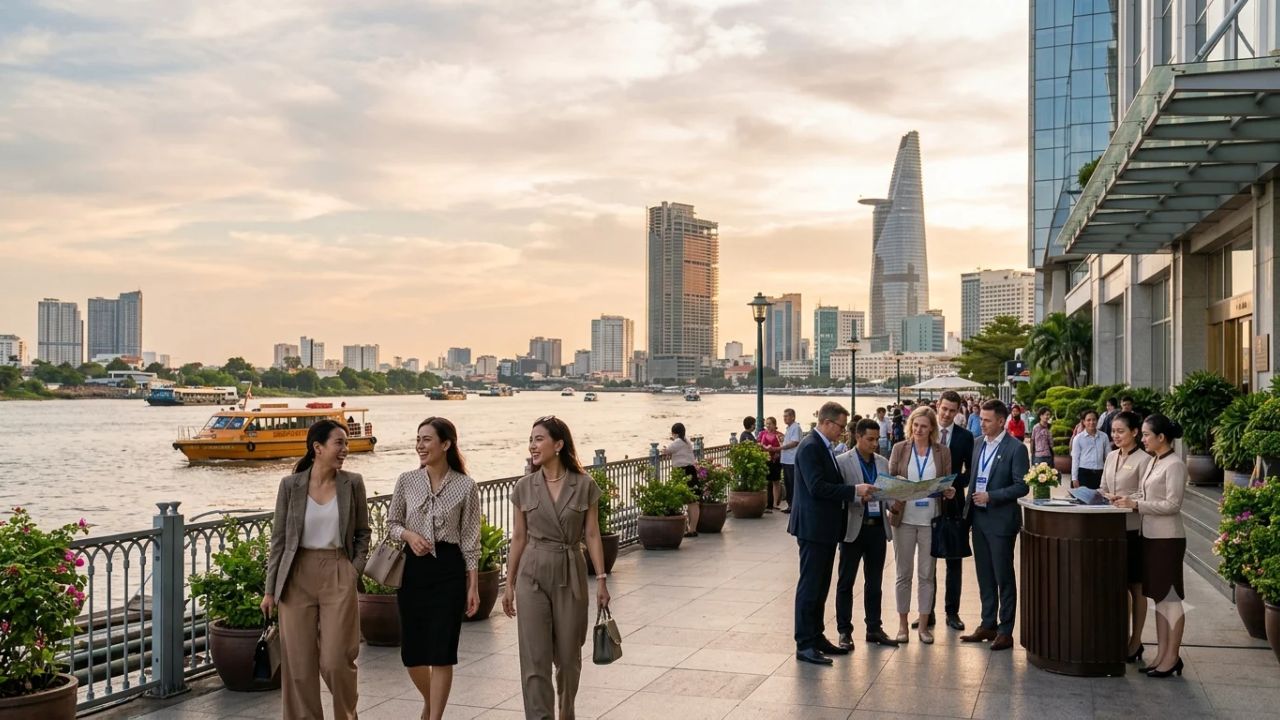
Vietnam has finalized a landmark Free Trade Agreement with the four member states of the European Free Trade Association (EFTA)—Norway, Switzerland, Iceland, and Liechtenstein—concluding more than 14 years of diplomatic negotiations and unlocking substantial commercial, investment, and travel synergies. Signed in Hanoi on Sunday, 18 October 2026, in the presence of Vietnam’s General Secretary and President To Lam, the comprehensive economic pact paves the way for expanded corporate travel, hospitality infrastructure financing, and cross-border exchanges.
While the treaty primarily targets trade liberalization across goods, services, and investment, it significantly reinforces Vietnam's fast-growing tourism economy. European arrivals to Vietnam have surged by 55% year-on-year, supported by existing 45-day unilateral visa exemptions for Norwegian and Swiss travelers, alongside multi-million-franc sustainable tourism development projects funded by the Swiss Confederation.
Quick Summary: Key Facts and Travel Impact
- Historic 14-Year Pact: Vietnam and EFTA nations (Norway, Switzerland, Iceland, and Liechtenstein) signed a landmark Free Trade Agreement in Hanoi after 21 rounds of negotiations spanning 14 years.
- 45-Day Visa-Free Continuity: Norwegian passport holders enjoy 45-day visa-free access to Vietnam through 14 March 2028, while Swiss tourists hold 45-day visa exemptions through 14 August 2028.
- Tourism Expansion Surge: Vietnam welcomed approximately 17.7 million international arrivals in the first nine months of 2026 (+14.5% year-on-year), with European visitor numbers surging by 55% toward a 25-million annual target.
- Swiss Sustainable Tourism Project: Backed by CHF 3.6 million in Swiss funding running through March 2027, the initiative enhances hospitality management, eco-tourism standards, and destination planning.
- Multibillion-Dollar Capital Influx: Switzerland maintains 234 active Vietnamese investment projects valued at over US$2.4 billion, while Norway holds 62 projects worth US$201.57 million, providing fertile ground for future hotel and infrastructure investments.
The Vietnam-EFTA Free Trade Agreement: A 14-Year Negotiation Milestone
The formal signing of the Vietnam EFTA Free Trade Agreement 2026 marks a transformative breakthrough in relations between Southeast Asia and Western Europe. Initiated in 2012, treaty negotiations required 21 rigorous rounds before technical consensus was achieved in July 2026, culminating in the ceremonial signing on 18 October 2026. Attended by Vietnam’s General Secretary and President To Lam alongside ministerial delegations from Bern, Oslo, Reykjavik, and Vaduz, the agreement establishes a modern legal framework spanning trade in industrial goods, agricultural produce, cross-border services, intellectual property, and sustainable economic governance.
Official trade data confirms that bilateral commerce between Vietnam and the four EFTA member states reached approximately €4.8 billion in 2025. By systematically dismantling tariff barriers and liberalizing service markets, the agreement is projected to accelerate business delegations, technical exchange programs, and corporate conferences between Western Europe and Vietnamese commercial capitals such as Hanoi and Ho Chi Minh City.
VIETNAM-EFTA BILATERAL TRADE AND TRAVEL CONNECTIVITY MATRIX
| Entity / Facility | Delays | Cancellations | Details |
|---|---|---|---|
| Partner State | Core Commercial Commitment | Visa & Border Entry Framework | Tourism & Hospitality Linkage |
| Norway | Over 98% of exports duty- | Unilateral 45-day visa-free entry | Business travel for seafood, |
| free within 7 years; salmon | active through 14 March 2028 | maritime tech, and eco-tours | |
| Switzerland | US$2.4B+ invested across | Unilateral 45-day tourism visa | CHF 3.6M Swiss Sustainable |
| 234 active industrial sites | exemption through 14 August 2028 | Tourism Development Project | |
| Iceland | Trade in green technology, | Standard e-Visa portal entry | Knowledge sharing in nature |
| geothermal, and marine goods | (30 to 90 days via digital visa) | conservation and eco-management | |
| Liechtenstein | Advanced manufacturing, | Standard digital e-Visa | Financial services travel and |
| private banking, and IP | processing via official portal | boutique hospitality investment |
Existing 45-Day Visa-Free Policies and European Border Protocols
Although the newly signed trade pact does not establish new immigration categories or create immediate direct flights, it operates in tandem with Vietnam's progressive visa-free entry frameworks. Under unilateral decrees introduced by the Vietnamese government to stimulate long-haul inbound tourism, citizens from key European markets already enjoy streamlined, visa-free access:
- Norwegian Citizens: Permitted to enter Vietnam without a visa for stays up to 45 consecutive days for tourism or general business purposes, with the current policy decree active through 14 March 2028.
- Swiss Citizens: Eligible for visa-free entry for stays up to 45 days specifically for tourism purposes, under a statutory program effective through 14 August 2028.
- Icelandic and Liechtenstein Citizens: Can secure digital 90-day multiple-entry e-Visas through the national immigration portal, allowing for flexible intercity itineraries across northern, central, and southern Vietnam.
Travelers utilizing visa exemptions must present a valid passport with at least six months of remaining validity and hold a confirmed return or onward ticket departing within the 45-day window. These generous entry frameworks have laid the groundwork for an influx of high-spending European holidaymakers exploring Vietnam's coastline, cultural heritage centers, and culinary trails.
ECONOMIC FOOTPRINT AND CAPITAL ENGAGEMENT IN VIETNAM (THROUGH 2025)
| Entity / Facility | Delays | Cancellations | Details |
|---|---|---|---|
| European Partner Country | Active Projects in VN | Registered Capital | Strategic Priority Sector |
| Switzerland | 234 registered projects | US$2.4+ billion | Sustainable tourism, tech |
| Norway | 62 registered projects | US$201.57 million | Marine energy, aquaculture |
| Total Bilateral Trade (2025) | €4.8 billion total | Multi-sectoral | Textiles, salmon, tech |
Swiss Sustainable Tourism Project and Icelandic Ecological Synergies
Switzerland represents the most advanced direct tourism contributor within the new economic alliance. On 17 October 2026—just 24 hours prior to the FTA signing—senior Vietnamese and Swiss officials convened to solidify bilateral cooperation across cultural preservation, educational exchanges, and travel development.
A cornerstone of this collaboration is the Swiss Tourism for Sustainable Development Project (ST4SD), an official bilateral initiative funded by the Swiss Confederation with a grant budget of CHF 3.6 million. Operating from April 2023 through March 2027, the project delivers technical assistance across three core areas:
- Hospitality Workforce Professionalization: Conducting advanced vocational training for local guides, hotel managers, and service staff to meet international luxury standards.
- Eco-Tourism Planning & Destination Management: Formulating sustainable master plans for fragile rural destinations in Sa Pa, Da Nang, and the Mekong Delta to prevent environmental degradation from overtourism.
- Public-Private Sector Synergies: Assisting boutique homestays and community cooperatives in adopting green certifications and digital booking tools.
Concurrently, Vietnam’s Ministry of Industry and Trade identified sustainable nature-based tourism as an emerging domain for technical partnership with Iceland. With Iceland recognized globally for balancing high-volume wilderness travel with strict environmental preservation, bilateral exchanges will focus on carbon-neutral tourism infrastructure, geothermal wellness applications, and sensitive biosphere management.
Vietnam’s 2026 Tourism Boom: European Arrivals Surge by 55%
The conclusion of the EFTA agreement coincides with record-breaking momentum across Vietnam’s travel sector. According to official data published by Vietnam’s National Statistics Office, the country recorded approximately 17.7 million international arrivals during the first nine months of 2026, representing a robust 14.5% year-on-year expansion compared to the same period in 2025.
VIETNAM INTERNATIONAL TOURISM PERFORMANCE (JANUARY - SEPTEMBER 2026)
| Tourism Growth Metric | 2026 Performance Data | YoY Comparison vs. 2025 Baseline |
|---|---|---|
| Total International Visitors | Approximately 17.7 million | +14.5% year-on-year increase |
| European Inbound Arrivals | Rapid growth trajectory | +55% year-on-year surge |
| Full-Year 2026 Target | 25.0 million foreign arrivals | Pacing toward record annual total |
| Average Stayover Profile | 12 to 16 days (Long-Haul) | Above Southeast Asian average |
Arrivals originating from European source markets demonstrated the most explosive momentum, leaping by 55% year-on-year. This influx has been propelled by expanded long-haul flight connectivity, favorable currency dynamics, and growing interest in authentic cultural exploration. As the Vietnamese government targets 25 million international visitors by the end of 2026, the newly ratified EFTA trade corridor will further stimulate premium corporate travel and luxury leisure stays.
Tariff Reductions and Business Travel Catalysts
The economic architecture of the EFTA agreement introduces aggressive reductions in customs duties, stimulating reciprocal commercial traffic:
- Norwegian Seafood Liberalization: Norway confirmed that approximately 50% of its exports to Vietnam will enjoy immediate duty-free status upon the pact taking effect, with more than 98% qualifying for zero tariffs within seven years. Norwegian salmon will gain immediate duty-free entry, while tariffs on mackerel will be completely eliminated over three years.
- Vietnamese Industrial Exports: Vietnamese manufacturers of footwear, apparel, textiles, electronic components, and processed seafood secure enhanced preferential access across Norwegian, Swiss, and Icelandic markets.
As trade in commodities expands, multinational corporations, inspection agencies, and supply chain managers are expected to increase bilateral corporate travel. This ongoing commercial interchange directly supports business hotels, domestic airlines (such as Vietnam Airlines and Vietjet), and international convention centers across Hanoi, Da Nang, and Ho Chi Minh City.
European Direct Investment and Hospitality Infrastructure Growth
Beyond trade in goods, the EFTA agreement provides vital legal protections for foreign direct investment (FDI). European investors already maintain a substantial commercial presence in Vietnam:
- Switzerland: Anchors 234 active investment projects representing more than US$2.4 billion in registered capital by late 2025, concentrated in industrial processing, pharmaceuticals, and luxury hospitality.
- Norway: Maintains 62 active commercial projects with total capital commitments reaching approximately US$201.57 million, heavily weighted toward renewable energy, green maritime logistics, and aquaculture.
By guaranteeing equitable treatment, intellectual property safeguards, and streamlined capital transfers, the treaty encourages European institutional investors to fund upscale boutique resorts, wellness retreats, and eco-certified hotels throughout Vietnam’s secondary coastal and mountainous regions.
Practical Traveler Advice: Maximizing European Travel to Vietnam
European and international travelers planning journeys between EFTA nations and Vietnam should keep the following operational recommendations in mind:
- Verify 45-Day Visa Exemption Validity: Norwegian and Swiss passport holders entering under visa exemptions must ensure their passports have at least six months of validity remaining and carry proof of return or onward international travel within the 45-day window.
- Utilize Official e-Visa Portals for Extended Stays: Travelers from Iceland, Liechtenstein, or visitors from Norway and Switzerland intending to stay beyond 45 days should secure an official 90-day multiple-entry e-Visa via the Vietnamese Ministry of Public Security immigration portal prior to arrival.
- Book Corporate Travel Early for Major Commercial Hubs: With trade delegation traffic climbing following the EFTA deal, hotel rooms and conference venues in central Hanoi (Hoan Kiem and Ba Dinh districts) and Ho Chi Minh City (District 1) experience tight availability during autumn business peaks.
- Combine Business with Eco-Tourism Circuits: Corporate visitors are encouraged to utilize domestic high-speed road links and regional flights to explore Swiss-supported sustainable destinations in northern highlands and central heritage zones.
Looking Ahead: Treaty Ratification and Long-Term Tourism Outlook
While the EFTA Free Trade Agreement was officially signed on 18 October 2026, the treaty must now complete constitutional ratification processes across the parliaments of Vietnam, Norway, Switzerland, Iceland, and Liechtenstein before formal entry into force.
In the interim, the strategic alignment between European investment and Vietnamese hospitality will continue to mature. As Vietnam edges closer to its annual target of 25 million international visitors, the convergence of 45-day visa exemptions, Swiss-funded sustainable tourism planning, and duty-free European trade establishes a robust foundation for long-term bilateral prosperity.
Frequently Asked Questions
What countries are included in Vietnam's newly signed EFTA Free Trade Agreement?
The agreement was signed between Vietnam and the four member states of the European Free Trade Association (EFTA): Norway, Switzerland, Iceland, and Liechtenstein.
Do Norwegian and Swiss citizens need a visa to travel to Vietnam?
No. Norwegian citizens can enter Vietnam visa-free for stays up to 45 days under a policy valid through 14 March 2028. Swiss citizens are also exempt from visa requirements for tourism stays up to 45 days through 14 August 2028.
What is the Swiss Tourism for Sustainable Development Project (ST4SD)?
The ST4SD is a Swiss-funded bilateral project with a budget of CHF 3.6 million running from April 2023 to March 2027. It trains Vietnamese hospitality personnel, improves eco-tourism destination planning, and promotes sustainable travel standards.
How much did European tourism to Vietnam grow in 2026?
During the first nine months of 2026, international arrivals to Vietnam rose 14.5% year-on-year to approximately 17.7 million, with European arrivals experiencing an extraordinary 55% year-on-year surge.
Does the new EFTA trade agreement introduce direct flights or new tourist visas?
No. The agreement focuses on trade, investment, and sustainable development. While it does not create new direct air routes or immigration classes, it reinforces existing 45-day visa-free policies and stimulates corporate travel and hotel investment.
Related Travel Guides
- Queensland Unveils South East Paddock-to-Plate Food Corridors and Enforces Mandatory Farmgate Biosecurity Around Brisbane: What Every Traveller Must Know
- Hungary Overhauls Multi-Generational Family Travel with Free Senior Fares, Accessible Transit, and Sensory Airport Hubs: What Every Traveller Must Know
- Canada Tightens Visitor Visa Vetting with AI Risk Screening and Stricter Financial Proof Rules: What Every Traveller Must Know
Disclaimer
This article is for informational and educational purposes only. It does not constitute legal, financial, or professional advice. While we strive to provide accurate and up-to-date information, travel policies, regulations, and conditions change rapidly. Always verify information with official sources before making travel decisions. Nomad Lawyer makes no representations about the accuracy, reliability, completeness, or suitability of the information provided. Readers should consult qualified professionals for advice specific to their circumstances. The views expressed in this article are those of the author and do not necessarily reflect the views of Nomad Lawyer.
Raushan Kumar
Founder & Lead Developer
Full-stack developer with 11+ years of experience and a passionate traveller. Raushan built Nomad Lawyer from the ground up with a vision to create the best travel and law experience on the web.
Learn more about our team →