
Vietnam Ranks 3rd in East and Southeast Asia for Repeat International Visitors in 2026
Vietnam emerges as a repeat travel champion in Asia, ranking third for returning international visitors behind Japan and Thailand, driven by expanded visa access and infrastructure.
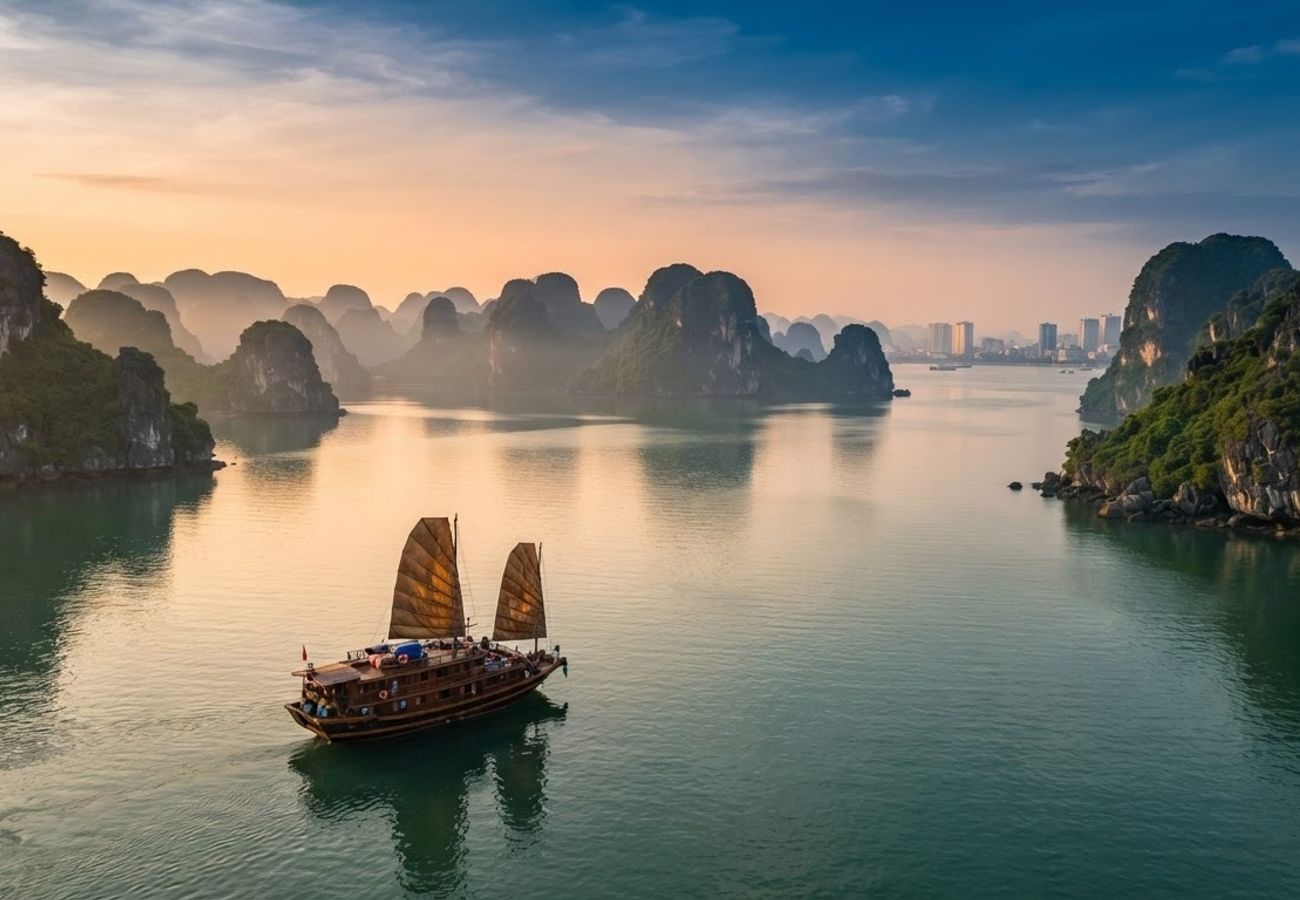
Image generated by AI
Vietnam has secured the third-highest rank for repeat international visitors in East and Southeast Asia, trailing only Japan and Thailand. The country is leveraging this loyalty to hit a target of 45 million to 50 million annual international arrivals by 2030.
Vietnam is transitioning from a first-time exploration destination to a regional repeat-visit hub. Data from Agoda’s regional travel insights indicates that the country has surpassed Malaysia and Indonesia in attracting returning foreign guests. This shift is attributed to a strategic combination of relaxed visa policies, competitive pricing, and significant upgrades to national transit infrastructure.
Between January and July 2026, Vietnam welcomed 12.2 million international visitors, representing a 23 per cent increase compared to the same period in 2025. While Thailand continues to lead the region in total volume—recording 19.2 million arrivals in the same seven-month window—Vietnam's growth in repeat visitation suggests a strengthening of long-term traveler loyalty.
High-Frequency Transit Hubs and Repeat Destinations
Returning travelers are increasingly diversifying their itineraries, moving beyond the traditional "Golden Route" to explore secondary cities and coastal escapes. Five specific destinations have emerged as the primary magnets for repeat visitors:
| Destination | Primary Appeal for Repeat Visitors | Key Connectivity Feature |
|---|---|---|
| Da Nang | Blend of beaches, modern facilities, and proximity to Hoi An | High-capacity airport and road links to UNESCO sites |
| Ho Chi Minh City | Urban lifestyle, culinary depth, and business hubs | Major international aviation gateway |
| Hanoi | Historic districts and traditional cultural experiences | Primary northern transit hub |
| Nha Trang | Coastal resorts and marine activities | Improved regional road and air access |
| Phu Quoc | Island luxury and nature tourism | Dedicated airport and ferry connections |
Traveler Logistics Guide: Navigating Vietnam in 2026
From a ground-level perspective, the best way to navigate Vietnam's expanding tourism network is to leverage the recent shift toward digital transit and flexible visa entries.
1. Visa and Entry Logistics The surge in repeat visits is directly linked to streamlined visa access. Travelers should utilize the official e-visa portal to avoid delays. For those planning multiple entries—such as visiting Vietnam, crossing into Cambodia or Laos, and returning—ensure a multiple-entry visa is secured at the outset to avoid repetitive application fees.
2. Optimizing Internal Connections To maximize a return trip, avoid the common mistake of over-scheduling. The most efficient transit flow for repeat visitors is a "hub-and-spoke" model:
- Central Hub: Use Da Nang as a base to explore the Central Highlands and Hoi An.
- Transit Timing: Allow at least 4-6 hours for international-to-domestic transfers at Tan Son Nhat (Ho Chi Minh City) or Noi Bai (Hanoi) to account for peak-hour congestion.
3. Digital Transit Tools Utilize local ride-hailing apps for "last-mile" connectivity from airports to hotels. These platforms provide transparent pricing and digital receipts, which are essential for business travelers and those managing tight budgets.
Infrastructure Impact Assessment
The increase in repeat visitation is not accidental but the result of targeted infrastructure investment. The expansion of international flight frequencies and the modernization of road networks have lowered the friction of multi-city travel.
By reducing the cost and complexity of moving between northern and southern provinces, Vietnam has successfully encouraged longer stays. Returning tourists typically provide higher economic value per visit, as they tend to venture into rural provinces and engage in deeper cultural immersion rather than sticking to primary tourist circuits. This shift is central to the government's 2030 ambition to lead Southeast Asian tourism.
Vietnam is evolving from a bucket-list stop into a permanent fixture on the global traveler's rotation.
Related Travel Guides
Disclaimer
This article is for informational and educational purposes only. It does not constitute legal, financial, or professional advice. While we strive to provide accurate and up-to-date information, travel policies, regulations, and conditions change rapidly. Always verify information with official sources before making travel decisions. Nomad Lawyer makes no representations about the accuracy, reliability, completeness, or suitability of the information provided. Readers should consult qualified professionals for advice specific to their circumstances. The views expressed in this article are those of the author and do not necessarily reflect the views of Nomad Lawyer.