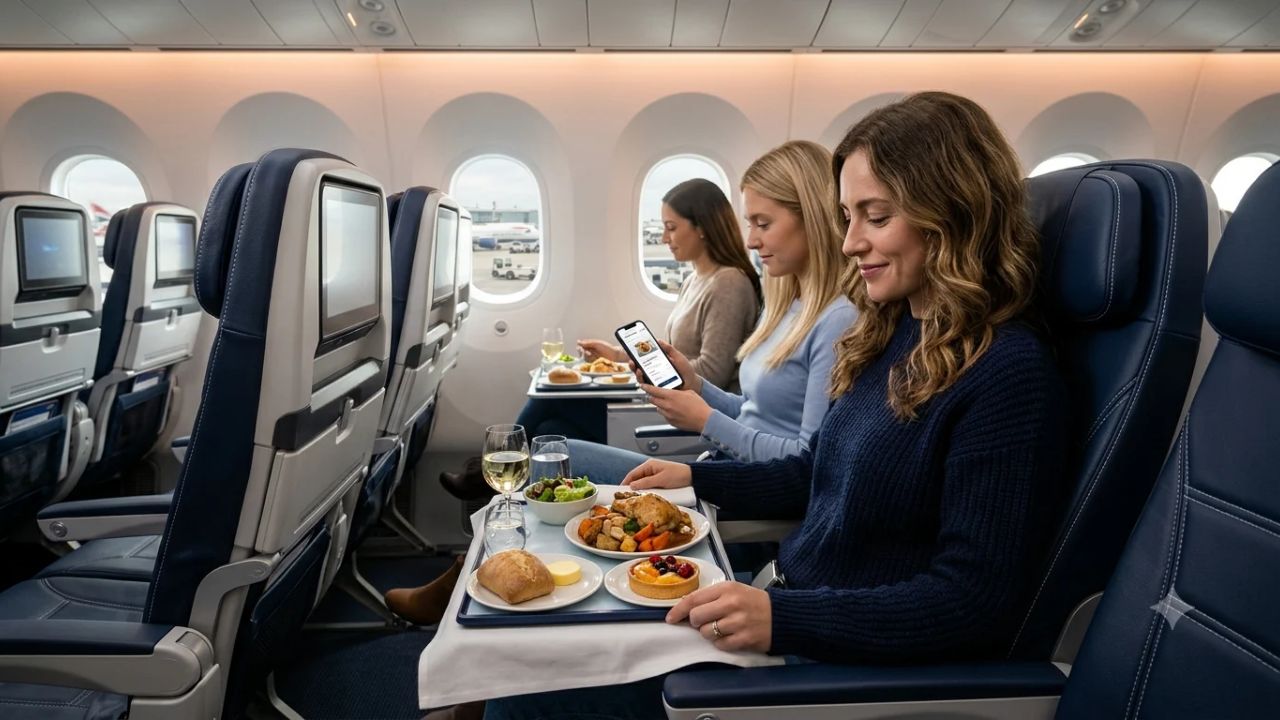
Vietnam Prepares for More Indian Visitors as New Aviation Deal Tests Tourism Readiness

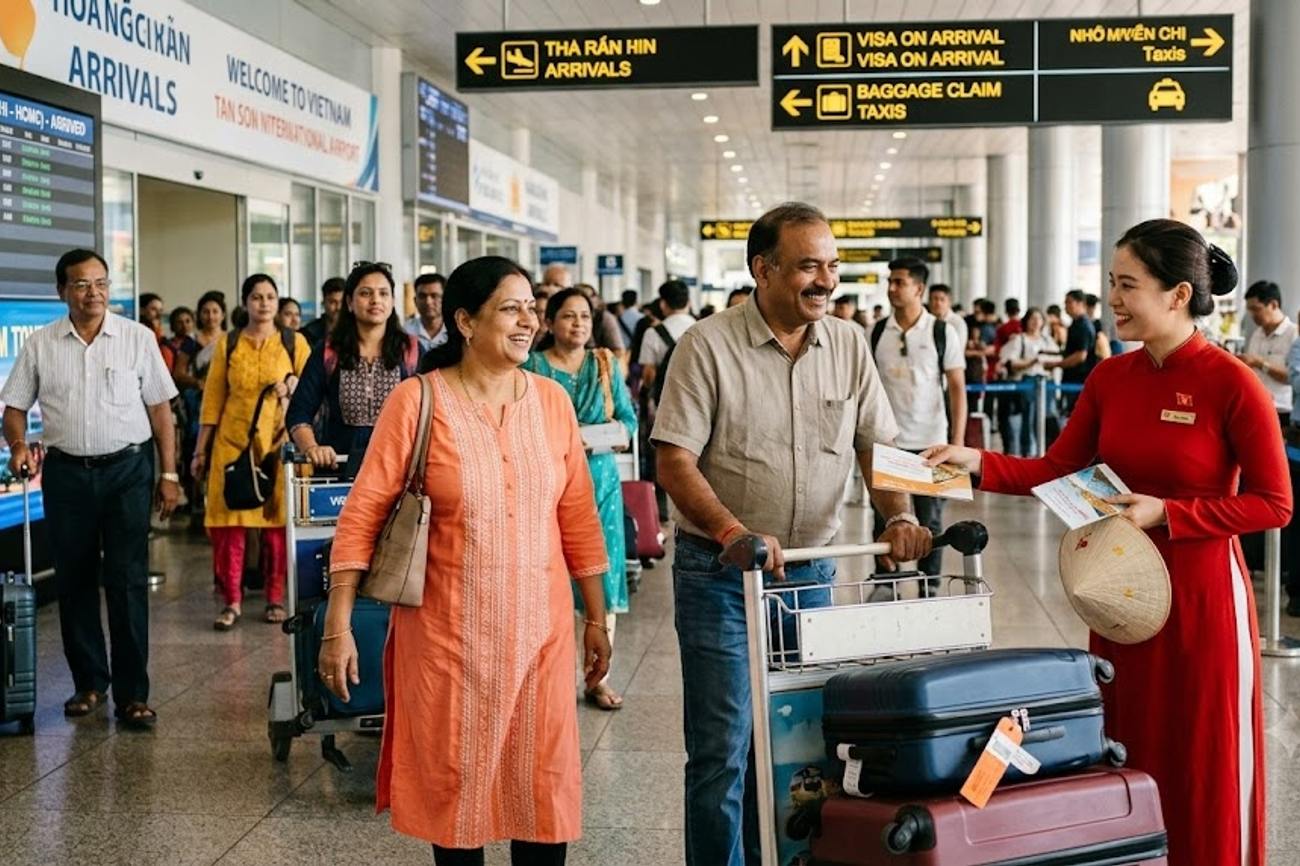
Image generated by AI
[Hanoi, September 2026] — India and Vietnam have formally agreed to overhaul their bilateral aviation framework, shifting from rigid flight-frequency limits to a flexible seat-based allocation system to catalyze tourism growth.
The agreement follows high-level negotiations conducted by the Indian Ministry of Civil Aviation and a Vietnamese delegation on September 17 and 18, 2026. This technical pivot modifies the existing bilateral Air Services Agreement, removing the ceiling on the number of individual flights an airline can operate and instead granting carriers a specific quota of seats. This allows airlines to deploy larger aircraft or increase flight frequency based on real-time commercial demand rather than government-mandated flight counts.
The Shift to Seat-Based Capacity
The transition to seat-based allocations represents a fundamental change in how aviation capacity is managed between the two nations. Under previous frequency-based arrangements, an airline was limited to a set number of flights per week, regardless of whether they used a small narrow-body jet or a large wide-body aircraft.
By moving to a seat-based model, the Ministry of Civil Aviation (India) and Vietnamese authorities are providing carriers with the autonomy to optimize their fleets. For example, an airline can now choose to operate a single flight using a high-capacity aircraft to maximize seat utilization or spread those seats across multiple smaller flights to serve different time slots or secondary cities.
While the government has established the legal framework for this expansion, the actual implementation—including specific routes, the number of flights, and the participating airlines—remains a commercial decision. No final capacity totals or launch dates have been officially disclosed by either government.
Tourism Growth and Market Pressure
This aviation expansion occurs as Vietnam experiences an unprecedented surge in international arrivals. According to data from Vietnam's National Statistics Office, the country welcomed nearly 21.2 million international visitors in 2025, marking a 20.4% increase over 2024 figures.
Air travel remains the primary driver of this growth, with more than 17.8 million arrivals entering by air, representing 84.3% of all international entries. The economic impact of this influx is evident in the tourism-service export sector, which reached US$15.22 billion in 2025, a growth of 24.4%. Specific sectors saw the following gains in 2025:
- Transport and Storage: 10.99% expansion
- Accommodation and Food Services: 10.02% increase
Despite these gains, the influx of Indian travelers will place additional pressure on Vietnam's existing infrastructure. The government must now scale its tourism readiness to match the projected increase in volume.
Practical Traveler Advisory and Strategic Insights
For the average passenger, this agreement does not automatically guarantee cheaper tickets or immediate new flight options. However, it creates the conditions for a more competitive and flexible market.
Flight Availability and Pricing Because airlines now have the flexibility to match aircraft size to demand, travelers may see more options during peak holiday seasons. Whether fares drop depends entirely on how many airlines enter the market and the level of competition that develops on routes between Indian metros and Vietnamese hubs.
Vietnam is anticipating a significant increase in Indian visitors, driven by a new aviation deal that aims to enhance air connectivity between the two countries. The Vietnam National Administration of Tourism has been working closely with Indian tourism stakeholders to promote Vietnam's destinations and create tailored packages for Indian travelers. As a result, major Vietnamese cities like Hanoi and Ho Chi Minh City are expected to witness a surge in tourist arrivals from India.
Entry Requirements The aviation deal is supported by a streamlined visa process. The Vietnam National Authority of Tourism provides a 90-day e-visa available to all nationalities, including Indian passport holders. Travelers are urged to use only official government platforms to avoid fraudulent sites and ensure passport details match their applications exactly.
On-the-Ground Experience As visitor volumes rise, travelers should expect potential congestion at major gateways. The "readiness" of the destination will be tested in several key areas:
- Immigration: Potential for longer queues at major international airports.
- Logistics: Increased demand for licensed guides and ground transport.
- Hospitality: Higher hotel occupancy rates during peak periods, potentially leading to tighter availability in major cities.
Infrastructure and Economic Integration
The benefits of increased connectivity extend beyond the airport. The surge in Indian visitors is expected to stimulate economic activity across several Vietnamese regions. While Hanoi and Ho Chi Minh City serve as the primary entry points, the government anticipates increased flow toward secondary destinations including:
- Da Nang and Hoi An: Central coast hubs for culture and leisure.
- Nha Trang and Phu Quoc: Key beach and resort destinations.
- Ha Long Bay: A primary target for group and luxury tourism.
Local businesses are expected to adapt to the specific needs of the Indian market. This includes the expansion of Indian dining options in hotels and the development of specialized tour packages for destination weddings, corporate retreats, and multi-generational family travel.
However, the transition from "traffic rights" to "confirmed flights" requires airlines to secure airport slots, ground-handling arrangements, and regulatory clearances. Until airlines publish official schedules, these capacity increases remain theoretical.
FAQ: India-Vietnam Travel 2026
Will flights between India and Vietnam become cheaper? Not necessarily. While seat-based allocations allow for more capacity, pricing is determined by commercial competition and demand. Increased supply may lower prices, but this depends on how many airlines utilize their new rights.
How do I apply for a Vietnamese visa as an Indian citizen? Indian passport holders can apply for a 90-day e-visa through the official government immigration portal. Always verify that you are using an official government site to avoid scams and overcharging.
Which Vietnamese cities are most likely to see new flights? Hanoi and Ho Chi Minh City are the primary gateways. However, increased capacity may eventually lead to more connections or better domestic links to Da Nang, Nha Trang, and Phu Quoc.
When will new flight schedules be available? The government has agreed on the framework, but airlines must now make commercial decisions. Travelers should monitor official airline announcements for confirmed timetables and bookable inventory.
Aviation flexibility is the catalyst; infrastructure readiness will be the deciding factor.
Related Travel Guides
- Australia Tourism Gets Global Boost as Qantas Partners With Robert Irwin to Inspire New Travel Experiences
- Wizz Air Connects Sweden and Kosovo With New Malmö Pristina Route Giving Travellers a Faster Direct Option
- Sydney Airport Introduces Australia’s First Arrivals Duty Free Store Between Immigration and Baggage Claim
This article is for informational purposes. Flight routes, passenger regulations, visa rules, and transit advisories are subject to change by airlines and aviation authorities. Readers are advised to verify schedules and travel documentation with relevant carriers and border agencies before departure.
Related Stories
Jet Airways vs. Boeing NCLAT Battle: Why Manufacturer Litigation Offers No Quick Ticket Refunds for Indian Travel Agents

easyJet Launches Direct Liverpool to Reykjavik Flights: Inside the North West's New Winter Gateway to Iceland