
Vietnam Secures Position as Top Asian Destination for Repeat International Visitors
Vietnam ranks 3rd in East and Southeast Asia for repeat international visitors, driven by visa reforms and infrastructure growth. Full data inside.
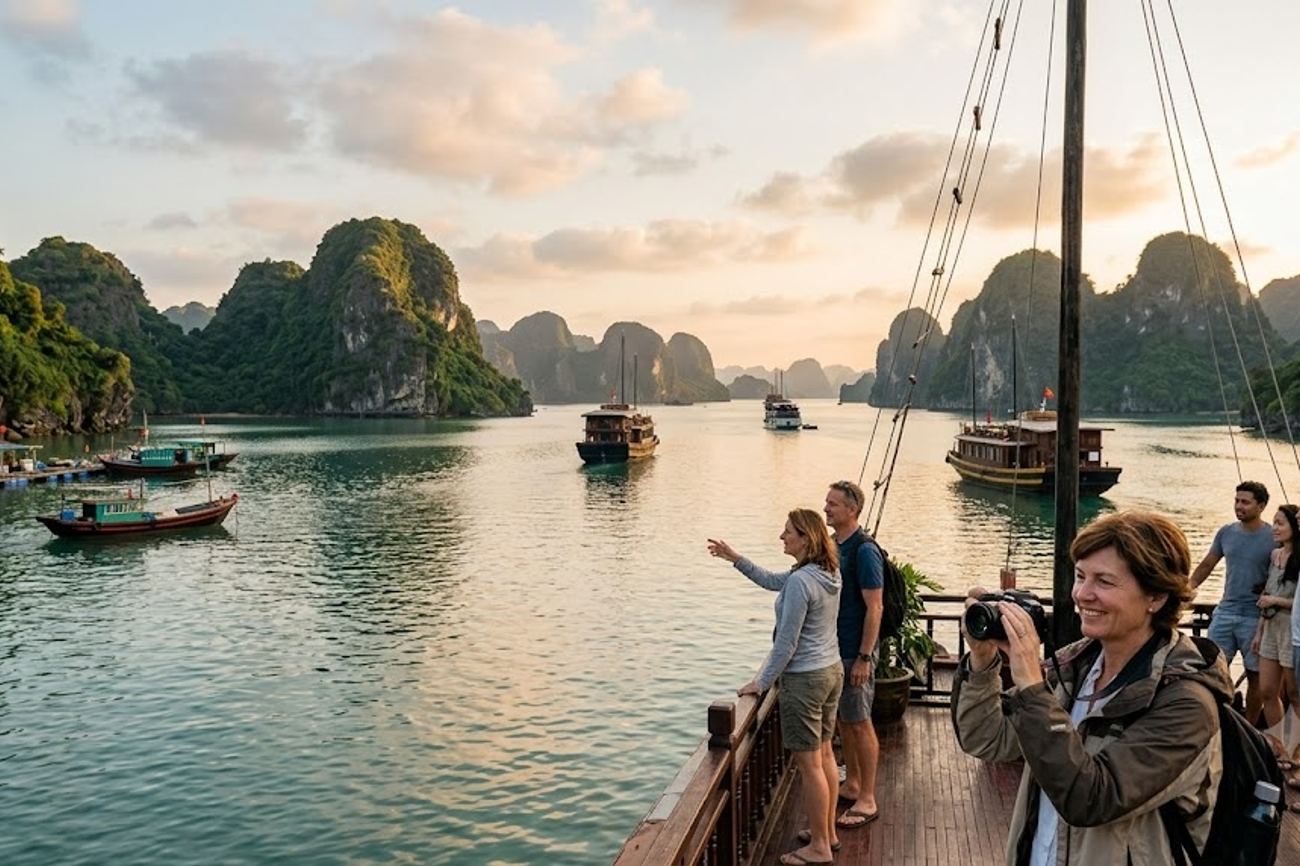
Image generated by AI
Vietnam Emerges as a Regional Leader in Traveler Loyalty
[HANOI, September 10, 2026] — Vietnam is rapidly transforming into one of Asia’s most resilient tourism markets, with a surging number of international travelers returning for subsequent visits. Recent data indicates that the nation now ranks among the top destinations in East and Southeast Asia for repeat foreign guests, a trend fueled by streamlined visa protocols, modernized infrastructure, and a highly competitive pricing model.
This shift suggests that Vietnam is no longer merely a "bucket list" destination for first-time explorers. Instead, it is evolving into a recurring choice for global travelers who return to uncover diverse regional experiences, from the metropolitan energy of its cities to the secluded serenity of its coastlines. This trajectory aligns with the government's strategic objective to establish Vietnam as a dominant force in Southeast Asian tourism by 2030.
Regional Rankings for Returning International Tourists
According to regional travel insights provided by Agoda, Vietnam currently holds the third-highest rate of repeat international visitors within the East and Southeast Asia corridor. The nation trails only Japan and Thailand, which continue to lead the region in traveler retention.
The data places Vietnam ahead of other significant regional competitors, including Malaysia and Indonesia. This ranking is particularly notable as it highlights Vietnam's ability to convert one-time visitors into loyal guests, a metric that industry observers view as a sign of sustainable tourism growth. While many nations focus on raw arrival numbers, Vietnam's success in repeat visitation suggests a deeper level of satisfaction with the local travel product.
Top Vietnamese Cities Driving Repeat Visitation
Certain urban and coastal centers are acting as primary anchors for returning guests. Data identifies five specific locations that have seen the highest rates of repeat visitors during the first half of the year:
- Da Nang: Now one of the country's most potent tourism assets, Da Nang attracts returning guests through a blend of high-end modern facilities and natural beach assets. Its proximity to the UNESCO World Heritage site of Hoi An Ancient Town allows travelers to oscillate between luxury coastal relaxation and historical immersion, creating a multifaceted appeal that encourages return trips.
- Ho Chi Minh City: The southern metropolis has seen a significant rise in repeat demand compared to previous years. Its reputation as a hub for culinary innovation, urban lifestyle, and business connectivity makes it a frequent stop for both leisure and corporate travelers.
- Hanoi: The capital city has climbed two positions in repeat visitor rankings. Travelers are returning to Hanoi to explore its traditional cultural quarters and historic streets, aided by a widening array of specialized tourism services.
- Nha Trang: This coastal city remains a favorite for those seeking sun and sea, maintaining a steady flow of returning international guests.
- Phu Quoc: The island destination continues to grow its appeal, offering a secluded alternative that draws visitors back for wellness and luxury escapes.
Infrastructure Upgrades and Policy Shifts Fueling Growth
The surge in loyalty is not accidental but the result of targeted systemic improvements. Industry reports indicate that relaxed visa policies have significantly lowered the barrier to entry, making it easier for travelers to plan spontaneous or frequent return trips.
Parallel to policy changes, the physical act of traveling within Vietnam has become more efficient. The expansion of international flight networks, coupled with upgraded road systems and the development of new hospitality facilities, has enabled visitors to explore multiple provinces in a single journey.
Furthermore, Vietnam maintains a strong "value-for-money" proposition. Compared to other Asian hubs, the cost of high-quality accommodation and dining remains competitive. This affordability allows international travelers to extend their stays or return more frequently without the prohibitive costs associated with other luxury destinations.
Vietnam’s Strategic Path Toward 2030
The Vietnamese government has outlined an aggressive growth strategy, targeting an annual influx of 45 million to 50 million international visitors by 2030. The current data suggests the country is on a strong recovery path to meet these figures.
In the first seven months of 2026, Vietnam recorded 12.2 million international arrivals, representing a 23 percent increase over the same period in the previous year.
Comparative Arrival Data (First Seven Months of 2026)
| Country | International Visitors | Year-on-Year Growth/Status |
|---|---|---|
| Thailand | 19.2 Million | Regional Market Leader |
| Vietnam | 12.2 Million | 23% Increase |
While Thailand continues to lead in total volume, Vietnam's growth in repeat visitors provides a different kind of economic advantage. Returning tourists typically exhibit higher spending patterns as they move beyond the "tourist traps" of major cities to explore rural regions, engage with local artisans, and invest in deeper cultural experiences.
Why This Matters: The Shift in Traveler Behavior
For the international traveler, Vietnam’s rise as a repeat destination signifies a transition from "sightseeing" to "experiencing." When a visitor returns to a country, they typically shift their spending from mass-market tours to niche experiences—such as boutique homestays in the highlands or specialized culinary tours in the Mekong Delta.
From a logistical standpoint, the emphasis on repeat visitation reduces the marketing cost per visitor for the destination. Once a traveler is converted into a loyalist, they become organic ambassadors for the country. For the aviation and hospitality sectors, this trend creates a more predictable demand cycle, allowing for better capacity planning and the development of more sophisticated, tiered service offerings.
Vietnam is successfully pivoting its identity from an emerging curiosity to a reliable, high-value destination. By focusing on the quality of the return experience rather than just the volume of the first arrival, Vietnam is building a sustainable tourism ecosystem that can withstand global economic volatility.
Related Travel Guides
Disclaimer
This article is for informational and educational purposes only. It does not constitute legal, financial, or professional advice. While we strive to provide accurate and up-to-date information, travel policies, regulations, and conditions change rapidly. Always verify information with official sources before making travel decisions. Nomad Lawyer makes no representations about the accuracy, reliability, completeness, or suitability of the information provided. Readers should consult qualified professionals for advice specific to their circumstances. The views expressed in this article are those of the author and do not necessarily reflect the views of Nomad Lawyer.