Sri Lanka Inbound Tourism Surges as Jetstar Connects Melbourne to Colombo: Travel Dynamics and Local Guide

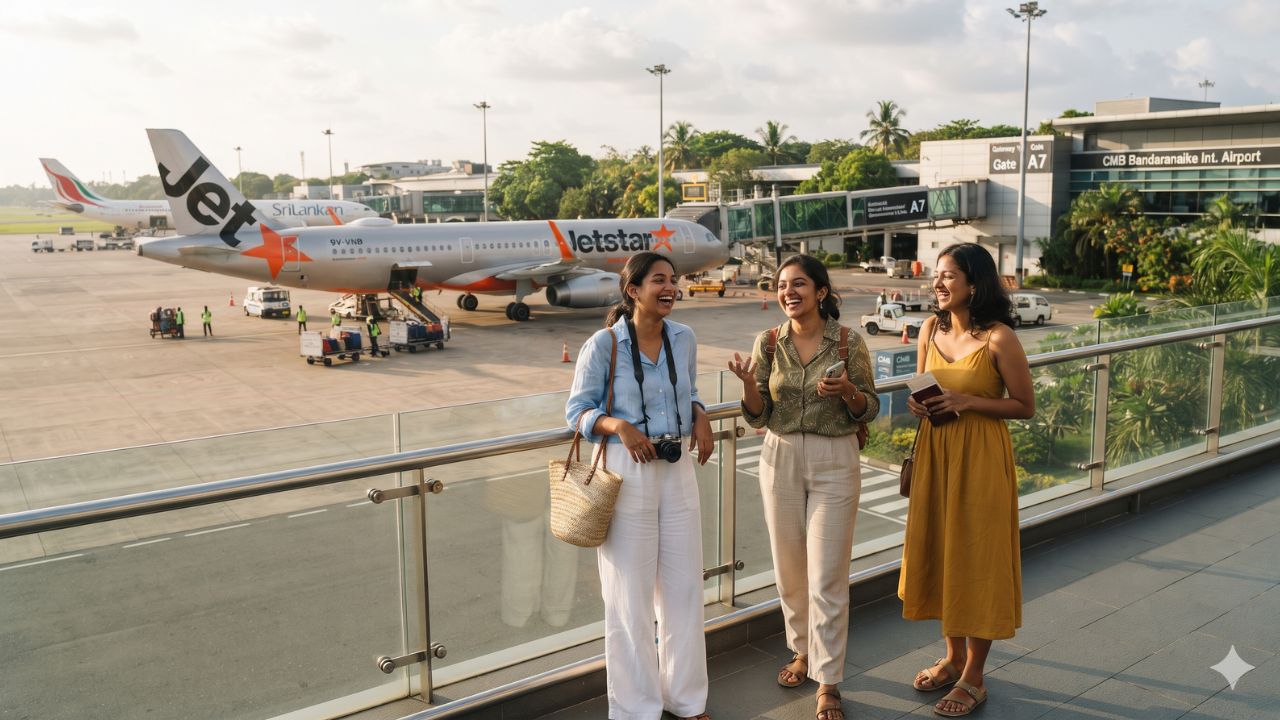
While regional Asian holidaymakers and traditional European sun-seekers have long formed the bedrock of Sri Lanka's inbound tourism, Australian travelers delivered the island's most pronounced statistical breakthrough in September 2026—surging 20.3% year-on-year to reach 10,951 arrivals. Official migration records released by the Sri Lanka Tourism Development Authority (SLTDA)—compiled in partnership with the Department of Immigration and Emigration—confirm that Australia vaulted into position as the island's third-largest international source market during the month. Coinciding with the inaugural full month of scheduled operations on Jetstar Airways direct Melbourne–Colombo route, this transoceanic influx is introducing fierce low-cost competition for national carrier SriLankan Airlines and opening new regional transit pathways across the Indian Ocean.
Transpacific Aviation Shake-Up: Jetstar Enters the Melbourne–Colombo Corridor
The swift expansion of Australian arrivals illustrates how point-to-point budget aviation can reshape international travel flows. Prior to the entry of Jetstar Airways, nonstop connectivity between Australia and Sri Lanka was operated primarily by SriLankan Airlines through its established Melbourne services. While the national flag carrier reported modest growth in September, Jetstar's entry introduced a competitive dynamic that lowered entry barriers for price-sensitive Australian families, surf travelers, and members of the sizable Sri Lankan diaspora visiting relatives.
Direct air access fundamentally alters traveler behavior by eliminating long, fatiguing intermediate layovers in Singapore, Kuala Lumpur, or Bangkok. A direct nine-to-ten-hour flight allows travelers from Victoria and southeastern Australia to step off the aircraft at Bandaranaike International Airport in Katunayake and reach southern surf breaks or tea country homestays on the same calendar day.
At the same time, aviation industry observers emphasize that destination-level tourism data must be separated from individual carrier load factors. While Jetstar's launch served as a major catalyst, September arrival growth was equally stimulated by favorable exchange rates, Australian school holiday travel patterns, and promotional campaigns across Oceania. Importantly, recent media rumors suggesting that SriLankan Airlines has confirmed a new nonstop service to Perth remain completely unverified; neither airline has filed schedules or announced commercial operations linking Western Australia directly to Colombo.
Beyond the Runway: How Australian Spending Reaches Regional Communities
The economic significance of Australia's emergence as Sri Lanka's third-largest tourist source extends far beyond seat sales. Australian travelers are recognized globally for taking extended multi-week vacations, traveling beyond standard all-inclusive beach enclaves, and investing directly in regional micro-economies:
- High-Country Tea Trails and Heritage Rail: Rather than confining themselves to luxury beach hotels, Australian visitors frequently travel inland along the historic Ceylon railway lines from Kandy to Ella, staying at family-run guesthouses and patronizing local trekking guides around Adam's Peak and the Knuckles Mountain Range.
- Southern Coastal Surfing and Boutique Lodging: The southern coastline—stretching from Weligama and Ahangama to Hiriketiya—has transformed into a thriving center for independent boutique hospitality, specialty coffee roasters, and surf academies, largely powered by Australian seasonal migration.
- Wildlife and Safari Excursions: Substantial visitor traffic flows into Yala, Udawalawe, and Wilpattu national parks, where park entry fees, private jeep hires, and safari lodge bookings directly fund local wildlife trackers and conservation initiatives.
Sri Lanka–Australia Travel Corridor: September 2026 Metrics and Route Dynamics
To help hospitality operators, tour companies, and independent travelers interpret current transoceanic travel patterns, the table below consolidates the verified SLTDA performance benchmarks and aviation characteristics:
| Performance Metric / Travel Factor | Official September 2026 Record | Comparative Benchmark / Trend | Strategic Market & Travel Implication |
|---|---|---|---|
| Total Australian Inbound Arrivals | 10,951 Visitors | +20.3% Year-on-Year Growth | Vaults Australia to 3rd-largest global tourist market for Sri Lanka |
| Market Source Ranking | 3rd-Largest Inbound Origin | Outranked only by India and UK | Demonstrates structural growth across the Oceania-to-South Asia corridor |
| Jetstar Airways Route Launch | Melbourne (MEL) to Colombo (CMB) | First full month of scheduled flights | Introduces low-cost nonstop fare alternatives for leisure and diaspora |
| SriLankan Airlines Performance | Established Melbourne–Colombo link | Reported modest volume increase | Faces heightened competitive pressure on fares, baggage, and service |
| Perth Nonstop Route Speculation | Unverified Media Claims | No confirmed schedule or filing | Perth remains unserved by direct flights; connections via SE Asia required |
| Regional Aviation Gateways | Singapore, Malaysia, New Zealand | Alternative one-stop itineraries | Provides feeder capacity for travelers outside the Melbourne catchment |
Visitor Insider Tips for Exploring Sri Lanka
Traveling across Sri Lanka with an insider perspective ensures smooth transit while avoiding common tourist friction points:
- Secure Scenic Mountain Train Tickets Early: The iconic mountain train between Kandy and Ella is one of the most scenic rail journeys on Earth, but reserved first-class and second-class observation car seats sell out rapidly. Book online through the official Sri Lanka Railways ticketing portal exactly 30 days before departure, or have your guesthouse host arrange physical tickets at the station counter to avoid inflated agency fees.
- Avoid Crowded Safari Convoys in Yala: Yala National Park's primary entrance at Palatupana often suffers from chaotic morning jeep traffic around popular leopard territories. Request an ethical safari operator who enters via the quieter Katagamuwa Gate, and focus on birdwatching and sloth bear tracking in Block 5 rather than joining aggressive high-speed vehicle scrums.
- Master Tipping and Cultural Etiquette: Tipping is an essential component of local service wages. In sit-down cafes and restaurants, check if a 10% service charge is already included; if not, leave 10% in cash for your servers. For private drivers and safari trackers who provide exceptional guidance over multi-day itineraries, standard etiquette suggests R5,000 to R8,000 per day.
- Base Yourself in Walking-Friendly Heritage Quarters: In the south, stay inside the 17th-century ramparts of Galle Fort, where cobblestone alleys, Dutch colonial merchant mansions, and quiet rampart views at sunset provide a tranquil pedestrian sanctuary. In Colombo, skip noisy downtown commercial avenues and stay in the leafy residential enclave of Cinnamon Gardens (Colombo 7) near Viharamahadevi Park.
- Savor Authentic Island Flavors: Move beyond Westernized hotel buffets to explore true Sri Lankan culinary regionalism. Sample spicy pol sambol (freshly grated coconut ground with dried red chilies, shallots, and lime juice) served alongside steaming string hoppers (idiappa), sour fish curry (ambul thiyal), and crisp, bowl-shaped egg hoppers cooked fresh on street corners at dusk.
Cultural and Environmental Context: Balancing Surging Tourism with Ecological Integrity
The rapid rise in international visitor arrivals arrives at an indispensable moment for Sri Lanka's economic stabilization. Tourism serves as a primary generator of foreign currency reserves, providing direct financial oxygen to thousands of family-owned homestays, tuk-tuk drivers, and artisan spice farmers across rural provinces.
However, unchecked visitor growth introduces acute environmental pressures to fragile coastal and marine habitats. Unregulated beachfront construction along Mirissa and Weligama risks eroding natural coral reefs and disturbing nesting sea turtles. Similarly, seasonal boat congestion during blue whale watching tours off the southern shelf has led maritime authorities to enforce strict standoff distances to protect migrating marine mammals from engine strikes and acoustic disturbance.
In cultural sanctuaries like the Sacred City of Kandy, home to the Temple of the Sacred Tooth Relic (Sri Dalada Maligawa), visitors must practice respectful cultural mindfulness. Dressing modestly in white or light-colored attire that covers both shoulders and knees, removing shoes and hats before entering sacred temple precincts, and avoiding posing for photographs with one's back turned to Buddha statues are essential marks of respect. By traveling conscientiously, supporting community-run conservation initiatives, and choosing responsible tour operators, visitors ensure that Sri Lanka's cultural traditions and rich biodiversity remain vibrant for future generations.
FAQ: Navigating Travel to Sri Lanka from Australia 2026–2027
How many Australians visited Sri Lanka in September 2026? According to official SLTDA statistics, 10,951 Australian tourists entered Sri Lanka in September 2026, marking a 20.3% year-on-year increase and positioning Australia as the third-largest source market.
What direct flights connect Australia to Colombo? Jetstar Airways operates direct flights between Melbourne and Colombo, competing alongside national carrier SriLankan Airlines, which also maintains nonstop Melbourne–Colombo services.
Are there direct flights from Perth to Sri Lanka? No. Media claims regarding nonstop SriLankan Airlines flights to Perth are unverified. Travelers from Western Australia currently connect through Asian hubs like Singapore or Kuala Lumpur.
What is the ideal season to visit Sri Lanka's southern beaches and hill country? The dry season on the south and west coasts, as well as the central highlands, runs from December to April, offering calm ocean conditions, sunny skies, and optimal hiking weather.
As direct flights bridge the southern oceans, travelers journeying from Australia to Sri Lanka discover an island where ancient sacred temples, mist-shrouded tea estates, and warm coastal hospitality create an unforgettable voyage.
Related Travel Guides
The 10 Best Hidden Beaches and Tea Plantations in Sri Lanka, According To Reddit
This article is for informational purposes. Flight routes, passenger regulations, visa rules, and transit advisories are subject to change by airlines and aviation authorities. Readers are advised to verify schedules and travel documentation with relevant carriers and border agencies before departure.
Related Stories
Vietnam Global Aviation Surge: UK, Germany, and Russia Drive Record Inbound Tourism and Flight Connectivity
New Zealand Balances Tourism Pressure with Smarter Skies: Auckland Flight Routing, Queenstown Upgrades, and NZeTA Remote Work Rules