
Croatia Shifts Tourism Strategy to Combat Seasonal Volatility and Overtourism
Croatia is diversifying its tourism model to reduce summer congestion, promoting year-round travel through gastronomy, wellness, and inland exploration.

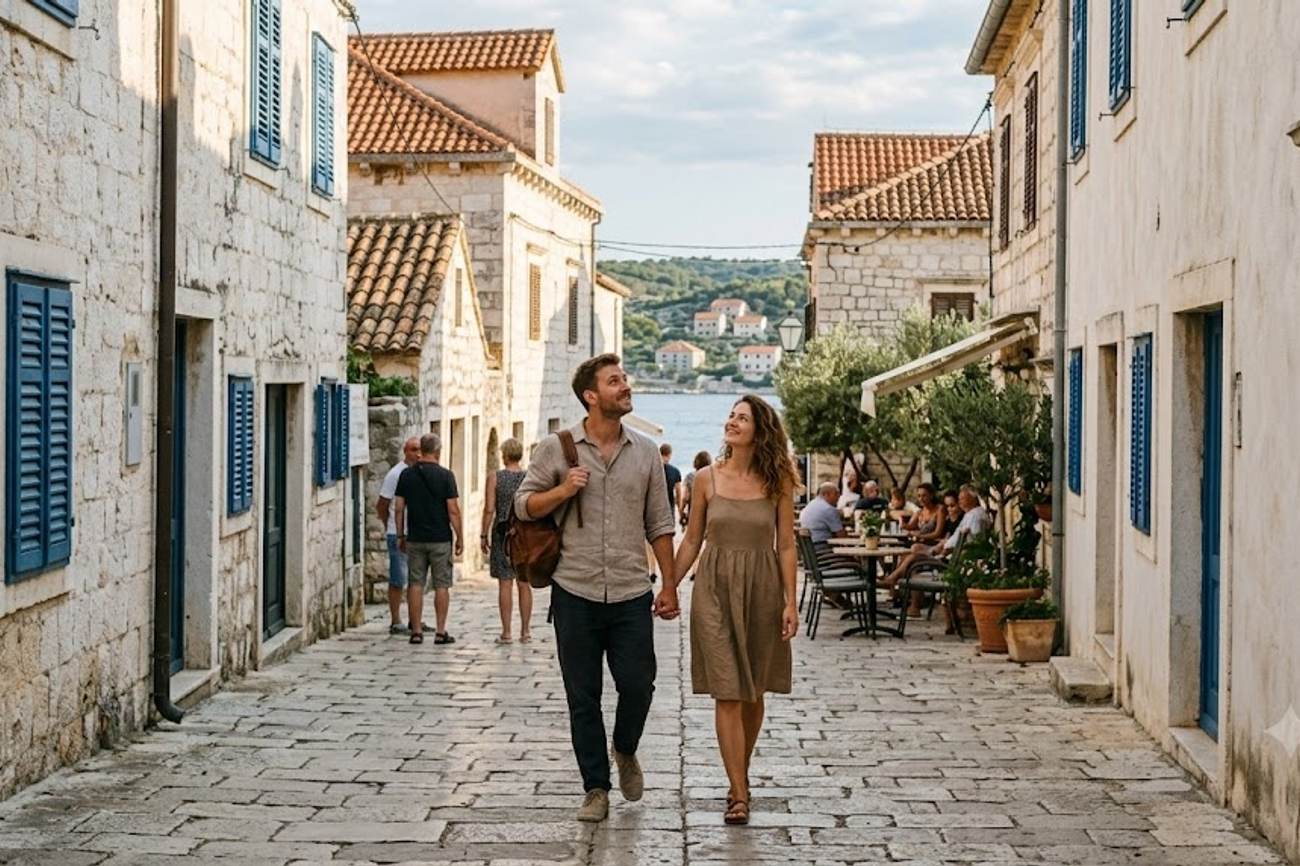
Image generated by AI
[Zagreb, September 10, 2026] —
Croatia is fundamentally restructuring its approach to Adriatic tourism as visitor behaviors evolve and the pressures of peak-season congestion mount. While the nation remains a global magnet for its turquoise waters and Roman ruins, officials are now prioritizing a diversified travel ecosystem that emphasizes cultural depth, wellness, and off-peak exploration over traditional mass-market summer holidays.
The transition comes as the industry observes a growing appetite for "slow travel" and authentic local engagement. While the country continues to see millions of arrivals, the volatility of monthly data is prompting a move toward a more resilient, sustainable growth model that distributes foot traffic across twelve months rather than two.
Analyzing the 2026 Tourism Performance Metrics
Current industry data underscores a complex landscape of growth and contraction. In July 2026, Croatia reported 4.5 million tourist arrivals and 25.3 million overnight stays. This represents a 2.7% increase in arrivals and a 1.2% rise in overnight stays compared to July 2025.
However, these strong summer figures mask a precarious trend; June 2026 saw a notable dip in foreign tourist activity. This fluctuation highlights the inherent risk of "peak-season dependence," where a few weeks of extreme intensity put immense pressure on local infrastructure, while other months remain underutilized.
To mitigate this, the Croatian National Tourist Board is steering the industry away from a beach-centric identity toward a holistic experience centered on gastronomy, nature, and local community integration.
Drivers Behind the Shift in Adriatic Visitor Patterns
For decades, the Croatian brand was synonymous with the "sun and sea" model. Destinations like Istria, Hvar, Split, and Dubrovnik became global staples due to their architectural heritage and scenic coastlines. However, several systemic factors are now forcing a change in strategy:
- Infrastructure Strain: Heavy summer concentration creates unsustainable pressure on water, waste, and transport systems in coastal hubs.
- Economic Volatility: Rising accommodation costs are prompting travelers to compare Croatia with other Mediterranean rivals more critically.
- Consumer Evolution: Modern travelers are actively seeking "hidden gems" and authentic interactions over curated tourist traps.
- Climate Adaptation: Increasing summer temperatures are making spring and autumn more attractive windows for exploration.
| Tourism Challenge | Impact on Croatia |
|---|---|
| Heavy summer concentration | Pressure on coastal infrastructure |
| Rising travel costs | Visitors compare more destinations |
| Changing traveller expectations | Demand for unique experiences |
| Climate considerations | Growth of spring and autumn travel |
| Overtourism concerns | Need for visitor management |
Strategic Evolution in Dubrovnik and Split
The two most recognized urban centers in Croatia are leading the charge in visitor redistribution. Rather than simply managing the crowds that arrive, these cities are attempting to change who comes and when they visit.
Dubrovnik: Diversifying the Old Town Experience
Dubrovnik has historically struggled with intense visitor density within its medieval walls. To counter this, the city is pivoting toward high-value, low-impact tourism. New initiatives focus on luxury travel, wellness retreats, and extended-stay itineraries that encourage visitors to venture beyond the maritime walls and explore the surrounding hinterlands.
Split: Expanding the Dalmatian Gateway
Split is repositioning itself as a multifunctional hub for Central Dalmatia. By integrating sailing experiences, outdoor adventure, and deep-dives into local cuisine, the city is transforming from a transit point for island-hoppers into a primary destination for active and cultural tourism.
| Destination | Tourism Strength |
|---|---|
| Dubrovnik | Heritage, luxury, culture |
| Split | Islands, history, sailing |
| Zadar | Coast, nature, sunsets |
| Šibenik | Heritage and marine tourism |
| Hvar | Island luxury experiences |
The Push for a Year-Round Tourism Economy
The primary objective for Croatian authorities is the eradication of the "seasonal cliff." By promoting the country as a 365-day destination, Croatia aims to stabilize employment for locals and reduce the environmental impact of summer surges.
The emerging calendar for Croatian travel now looks like this:
- Spring: Focused on city breaks, hiking, and cultural tours.
- Summer: Traditional beach, island, and sailing activities.
- Autumn: Centered on wine tourism and gastronomy.
- Winter: Prioritizing wellness, heritage sites, and urban tourism.
Early 2026 data indicates that this strategy is gaining traction, with a measurable increase in activity during the pre- and post-season windows.
Redefining the Island Experience
The islands of Hvar, Brač, Korčula, Pag, Krk, and Vis are moving away from the "beach resort" archetype. The goal is to shift the metric of success from total visitor volume to the quality of the economic benefit provided to local residents.
New island-based offerings include eco-tourism circuits, traditional craft workshops, cycling routes, and authentic village stays. This approach seeks to preserve the unique character of the islands while attracting a demographic of travelers who are more likely to spend locally and respect environmental boundaries.
The Rise of Inland and Regional Exploration
To truly decouple from the coast, Croatia is highlighting its interior regions. These areas offer a stark contrast to the Adriatic bustle and appeal to the growing "quiet travel" trend.
Zagreb is being marketed as a cultural powerhouse, utilizing its museums, festivals, and historic architecture to draw urban tourists. Meanwhile, Istria has carved out a niche in the premium market, focusing on truffle hunting, boutique vineyards, and luxury cycling routes in towns like Pula, Rovinj, and Poreč.
Further inland, the Lika region and other continental areas are leveraging their national parks and thermal spas to attract nature enthusiasts and wellness seekers.
| Region | Main Tourism Appeal |
|---|---|
| Istria | Food, wine and luxury travel |
| Zagreb | Culture and city breaks |
| Lika | Nature and national parks |
Why This Matters: The Traveler's Perspective
For the traveler, this shift is a significant win. The move away from mass summer tourism means shorter queues at UNESCO sites in Dubrovnik and more authentic interactions in Split. By traveling in the "shoulder seasons" (spring and autumn), visitors can access the same stunning landscapes at lower price points and with far less congestion.
From a logistical standpoint, the diversification of the tourism product means more variety in accommodation—moving from generic hotels to boutique rural stays and eco-lodges. This transition effectively transforms Croatia from a "summer destination" into a "year-round experience," allowing for deeper exploration of the country's gastronomy and nature without the stress of overtourism.
Related Travel Guides
Disclaimer
This article is for informational and educational purposes only. It does not constitute legal, financial, or professional advice. While we strive to provide accurate and up-to-date information, travel policies, regulations, and conditions change rapidly. Always verify information with official sources before making travel decisions. Nomad Lawyer makes no representations about the accuracy, reliability, completeness, or suitability of the information provided. Readers should consult qualified professionals for advice specific to their circumstances. The views expressed in this article are those of the author and do not necessarily reflect the views of Nomad Lawyer.
Preeti Gunjan
Contributor & Community Manager
A passionate traveller and community builder. Preeti helps grow the Nomad Lawyer community, fostering engagement and bringing the reader experience to life.
Learn more about our team →