
Victoria Falls Zimbabwe South Korea Tourism Partnership
Victoria Falls, Zimbabwe, plans a strategic tourism partnership with South Korea focused on smart technology, sustainability, and joint marketing. Read updates.

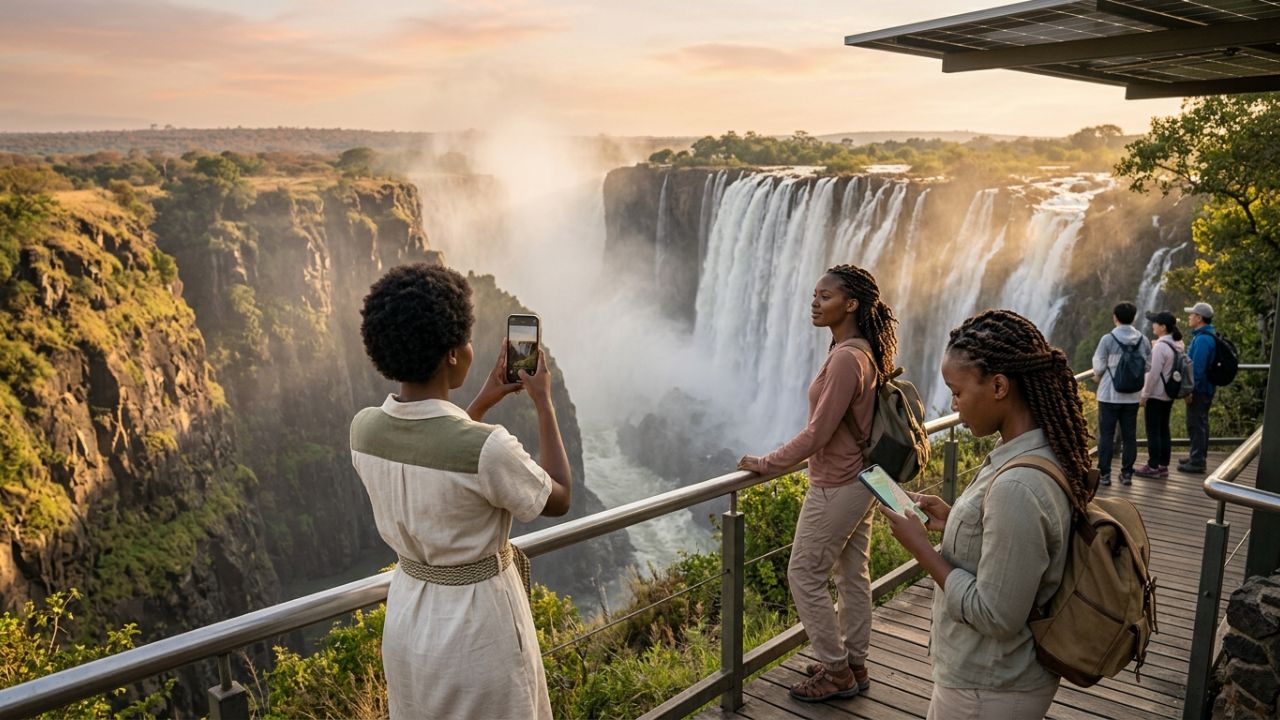
Image generated by AI
According to municipal reports published on August 15, 2026, Zimbabwe's City of Victoria Falls is developing a strategic partnership with South Korea to transform itself into a modern, technology-driven, and environmentally responsible tourism hub.
The initiative focuses on smart technology, sustainable urban development, and international destination promotion, linking the historic city with Korean municipalities through potential twinning arrangements. By building partnerships with advanced technology markets, Victoria Falls aims to expand its visibility in Asian travel markets and establish new cross-continental travel circuits between Africa and Asia. Last year, Zimbabwe recorded approximately 1.8 million international tourist arrivals, with Victoria Falls welcoming approximately 300,000 of those visitors, highlighting the destination's central role as the country's primary travel gateway.
The proposed city-to-city partnership reflects a growing global trend where nature-based destinations integrate digital solutions to manage rising visitor volumes while protecting local ecosystems. Cooperation with South Korean local authorities could provide valuable lessons in using smart city systems to improve municipal services, digital visitor platforms, and waste management. As global competition among adventure destinations increases, Victoria Falls is looking beyond traditional European and North American source markets, seeking to attract high-value travelers from South Korea who are increasingly searching for unique nature holidays and cultural immersion.
Victoria Falls Seeks Smart Technology Cooperation with Korean Cities
A city-to-city partnership with South Korean municipalities would establish a collaborative framework spanning technology transfer, sustainable development, and joint marketing campaigns. By utilizing South Korea's experience in smart city infrastructure and digital visitor services, Victoria Falls aims to modernize its local tourism services while protecting the surrounding rainforest. To outline the key areas of international cooperation and visitor statistics that define the city's global strategy, the following table summarizes the primary indicators:
| Tourism Partnership Indicator | Zimbabwe & Victoria Falls Data | South Korea Partnership Focus | Strategic Goals & Long-Term Outcomes |
|---|---|---|---|
| Zimbabwe Arrivals | Around 1.8 million visitors last year | Source market diversification campaigns | Connect southern African circuits with Asian travel hubs |
| Victoria Falls Arrivals | Approximately 300,000 last year | Twinning arrangements with Korean cities | Establish the city as a technology-driven tourism hub |
| Smart Tourism Solutions | Integration of digital visitor platforms | Digital information systems and city planning | Enhance convenience for international long-haul guests |
| Environmental Governance | Solar power and sustainable waste plans | Infrastructure development partnerships | Protect the rainforest ecosystem from visitor pressure |
| Marketing Channels | Korean-language guides, trade roadshows | Travel agency partnerships, digital media | Introduce Zimbabwean heritage to East Asian travelers |
| Community Impact | Job creation in hotels, transport, and guiding | Knowledge exchange and municipal training | Ensure tourism spending supports local families |
Tourism Growth Highlights Victoria Falls as Zimbabwe's Leading Gateway
The recovery of Zimbabwe's tourism sector is heavily dependent on the performance of Victoria Falls, which serves as the primary entry point for international travelers exploring the wider southern African region. The destination's combination of dramatic waterfalls, river safaris, and national parks attracts visitors from around the world. However, regional tourism authorities recognize that maintaining a competitive edge requires investing in modern service standards, digital connectivity, and sustainable waste management.
By partnering with advanced markets like South Korea, the City of Victoria Falls aims to secure investment for infrastructure projects that enhance the visitor experience while protecting the natural environment. These municipal developments include improving urban mobility, transitioning public facilities to renewable solar energy, and implementing digital check-ins at national park gates. This forward-looking approach ensures that the destination can handle increasing visitor numbers without compromising its unique ecological environment.
South Korea Represents a Major Outbound Market for African Nature Travel
South Korea represents a significant untapped market for southern African tourism operators, with millions of its citizens traveling internationally every year. Despite this strong outbound demand, Zimbabwe currently receives a small number of Korean visitors. Establishing direct promotional campaigns, roadshows, and partnerships with Korean travel agencies could create a new source of tourism growth, introducing Victoria Falls to an audience that values unique cultural and nature-based experiences.
To appeal to South Korean travelers, tourism boards are developing Korean-language promotional materials, cooperating with Asian airlines to simplify flight connections, and using digital marketing campaigns to showcase the region's heritage. The combination of walking safaris in Chamabondo National Park, river cruises on the Zambezi, and cultural immersion programs matches the interests of modern travelers who seek authentic journeys. Coordinated marketing efforts help bridge the distance between East Asia and southern Africa, encouraging visitors to consider new travel circuits.
Digital Visitor Services and Sustainable Energy Transform the Destination
The focus of the partnership extends beyond increasing visitor numbers, prioritizing the integration of technology to build a smarter, more sustainable destination. Smart tourism solutions, such as automated visitor guides, digital payment systems, and real-time transit apps, help reduce travel friction and make navigating the city more convenient. These digital platforms also allow municipal planners to track visitor flows, preventing overcrowding at popular viewpoints along the rainforest trail.
Additionally, the city is exploring sustainable energy and waste management projects with Korean tech partners to reduce the environmental footprint of local hotels and tour operations. Transitioning the tourism sector to clean energy and improving recycling systems ensures that local resources are preserved for future generations. As environmental responsibility becomes a primary factor in travel decisions, showing a commitment to sustainable practices helps Victoria Falls attract eco-conscious travelers who want their spending to support local conservation.
Why This Matters (Information Gain & Experience)
For the traveler, this means that future visits to Victoria Falls will offer greater convenience through integrated digital platforms, making it easier to book park permits, check local weather conditions, and organize river cruises. Choosing to visit during the dry season from September to November is the best time to see the geological structure of the Batoka Gorge and enjoy white-water rafting on the Zambezi River. From a logistical standpoint, international visitors should monitor flight connections through regional hubs like Johannesburg or Addis Ababa to secure the most efficient route between Asia and southern Africa.
Additionally, choosing to practice sustainable travel during your stay directly supports wildlife conservation and the local economy of Victoria Falls. Travelers can support regional families by staying in eco-certified lodges that use solar power, hiring local Shona or Ndebele guides for rainforest walks, and purchasing hand-carved stone sculptures directly from independent artist cooperatives. Sampling local culinary specialties like traditional sadza pap served with game stews, and enjoying biltong cured meats at locally owned restaurants ensures that your travel spending directly supports host communities. Following park safety guidelines, avoiding single-use plastics, and respecting local wildlife during safaris ensures a safe, eco-friendly, and culturally respectful journey, helping preserve this iconic natural wonder for future generations.
Related Travel Guides
Disclaimer
This article is for informational and educational purposes only. It does not constitute legal, financial, or professional advice. While we strive to provide accurate and up-to-date information, travel policies, regulations, and conditions change rapidly. Always verify information with official sources before making travel decisions. Nomad Lawyer makes no representations about the accuracy, reliability, completeness, or suitability of the information provided. Readers should consult qualified professionals for advice specific to their circumstances. The views expressed in this article are those of the author and do not necessarily reflect the views of Nomad Lawyer.
Raushan Kumar
Founder & Lead Developer
Full-stack developer with 11+ years of experience and a passionate traveller. Raushan built Nomad Lawyer from the ground up with a vision to create the best travel and law experience on the web.
Learn more about our team →