
Historic Air Force One Fleet Transition: Boeing 747-8 Poised to Replace Iconic VC-25A After Three Decades of Presidential Service
Breaking airline news and aviation industry updates for 2026.

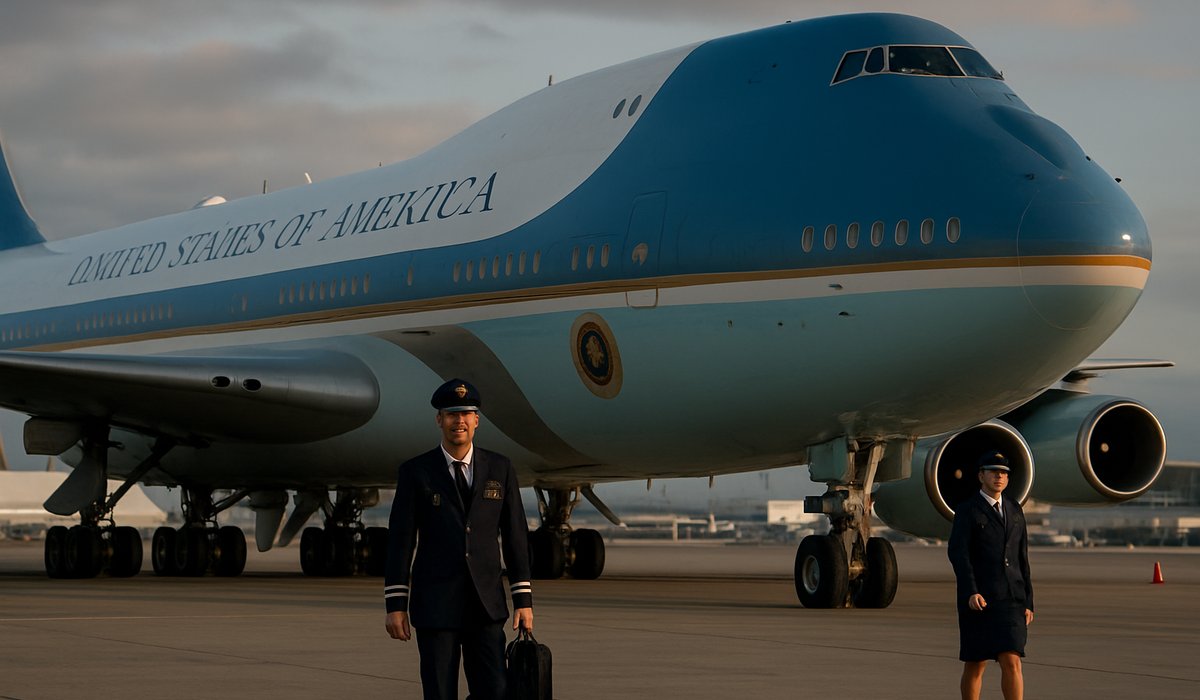
Image generated by AI
Historic Air Force One Fleet Transition: Boeing 747-8 Poised to Replace Iconic VC-25A After Three Decades of Presidential Service
The U.S. military aviation program marks a generational shift as aging aircraft retires from duty, signaling broader modernization across government aircraft operations
End of an Era for Presidential Aviation
The impending retirement of the VC-25A aircraft represents a watershed moment in American aviation history, concluding more than 35 years of continuous presidential transport operations. As the U.S. Air Force prepares to transition to an advanced Boeing 747-8 platform—the new "bridge" Air Force One—defense and aviation observers are now reckoning with the operational sunset of the venerable fleet that has carried U.S. presidents through multiple administrations and geopolitical crises.
The VC-25A's Legacy and Operational Tenure
Since entering service in the late 1980s, the VC-25A has served as the backbone of presidential aerial transportation, maintaining a mission-critical role across domestic and international operations. The aircraft's retirement marks the conclusion of a significant chapter in Cold War and post-Cold War era aviation, during which it facilitated presidential diplomacy, emergency response coordination, and executive continuity of government protocols.
The transition has largely been overshadowed by intense media and industry focus on the incoming 747-8 platform and its technical specifications, capabilities, and projected deployment timeline. However, aviation analysts emphasize that the retirement phase itself carries substantial logistical, budgetary, and operational implications for U.S. defense aviation infrastructure.
The Boeing 747-8 "Bridge" Solution and July 3 Operational Debut
The newly designated Boeing 747-8—designated as an interim or "bridge" solution—represents a technological leap forward in presidential aircraft capability. Scheduled to achieve operational status by July 3, the modernized airframe will incorporate advanced avionics, enhanced security systems, and improved fuel efficiency compared to its predecessor platform.
The Air Force's decision to deploy the 747-8 reflects broader defense modernization priorities and responds to aging aircraft concerns within the presidential transportation fleet. The transition underscores how even the most specialized government aviation programs must adapt to evolving operational demands and technological advancement.
Broader Implications for Military and Government Aviation
The VC-25A retirement signals accelerating modernization across the entire U.S. military aircraft inventory, where aging platforms face retirement and replacement cycles. This transition carries implications for defense budgeting, aerospace contractor relationships, and the operational readiness of critical government aviation assets.
Industry observers note that such high-profile fleet transitions often catalyze broader discussions regarding federal aviation infrastructure, sustainment costs, and strategic procurement decisions affecting national security aviation capabilities.
FAQ: Understanding the Air Force One Transition
Q: Why is the VC-25A being retired after 35 years? A: The aircraft has exceeded its service life expectations, and advancing technology offers enhanced capabilities, security features, and operational efficiency through the Boeing 747-8 platform.
Q: What makes the Boeing 747-8 "bridge" Air Force One different? A: The 747-8 incorporates modern avionics, advanced security systems, and improved fuel efficiency while serving as an interim solution during broader presidential fleet modernization.
Q: When will the new Air Force One become operational? A: The Boeing 747-8 is scheduled to enter service by July 3, replacing the retiring VC-25A fleet.
Q: How does this transition affect national security? A: The modernization ensures continuous presidential mobility and security capabilities, maintaining operational continuity during the fleet transition period.
Q: What happens to the retired VC-25A aircraft? A: Decommissioned aircraft typically undergo preservation, potential museum placement, or controlled disposition in accordance with federal aviation protocols.
Related Travel Guides
External Resources
Disclaimer
This article is for informational and educational purposes only. It does not constitute legal, financial, or professional advice. While we strive to provide accurate and up-to-date information, travel policies, regulations, and conditions change rapidly. Always verify information with official sources before making travel decisions. Nomad Lawyer makes no representations about the accuracy, reliability, completeness, or suitability of the information provided. Readers should consult qualified professionals for advice specific to their circumstances. The views expressed in this article are those of the author and do not necessarily reflect the views of Nomad Lawyer.
Kunal K Choudhary
Co-Founder & Contributor
A passionate traveller and tech enthusiast. Kunal contributes to the vision and growth of Nomad Lawyer, bringing fresh perspectives and driving the community forward.
Learn more about our team →