Vancouver Weekend Travel Guide: Culture, Coastal Rainforests, and Pacific Flavors

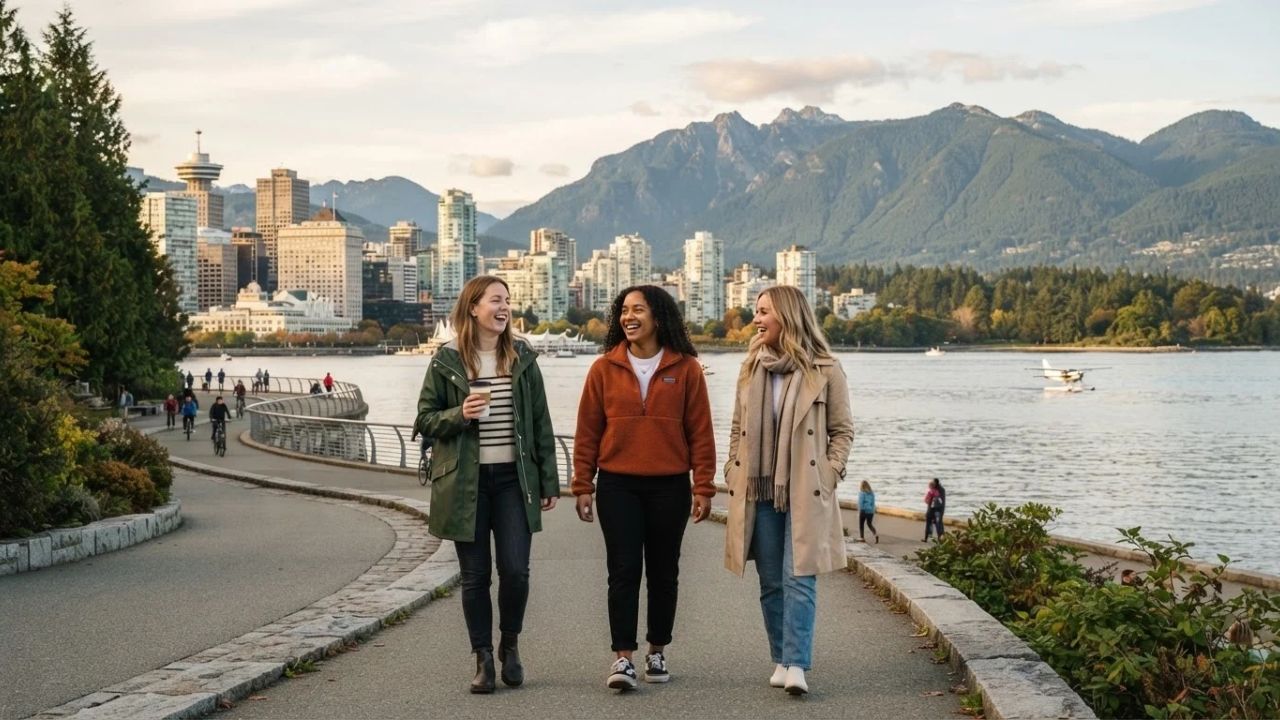
Framed by coastal temperate rainforests and glaciated Pacific peaks, Vancouver offers a 48-hour escape where urban coffee culture, First Nations heritage, and alpine trails converge in a single day. From cycling the world's longest uninterrupted waterfront seawall to savoring dockside Pacific seafood on Granville Island, this weekend guide reveals the authentic pulse of British Columbia's premier coastal metropolis.
The Local Trend Revealed: The 48-Hour Pacific Metropolis Experience
Vancouver continues to captivate global travelers by mastering a balance that few cities achieve: seamless integration between wild coastal nature and high-density cosmopolitan living. Set between the snow-dusted North Shore mountains and the sparkling waters of the Strait of Georgia, the Canadian Pacific gateway allows visitors to kayak alongside marine wildlife in the morning, tour world-class contemporary art galleries in the afternoon, and dine on award-winning multicultural cuisine by evening.
For weekend explorers, the city delivers exceptional variety within compact, walkable districts:
- Stanley Park and the Seawall: Covering 1,000 acres of preserved coastal temperate rainforest, Stanley Park anchors the city's outdoor identity. The iconic paved Seawall path traces the ocean perimeter, offering cycling and walking routes past dramatic cedar and fir groves, sandy beaches, and panoramic viewpoints overlooking Burrard Inlet. At Brockton Point, historic totem poles showcase the artistic mastery and living heritage of coastal First Nations.
- Granville Island Public Market: Nestled under the Granville Street Bridge in False Creek, this former industrial district has transformed into a cultural beacon. The indoor public market features artisan butchers, independent cheese mongers, berry growers from the Fraser Valley, and fresh Pacific seafood stalls, surrounded by working glassblowing studios, printmakers, and waterside theatres.
- Neighborhood Cultural Quarters:
- Gastown: Vancouver’s oldest historic quarter, characterized by Victorian brick architecture, cobblestone alleys, and its famous 1977 steam-powered clock.
- Chinatown: One of North America’s largest historic Chinatowns, rich with traditional herbalists, dim sum houses, and the peaceful Dr. Sun Yat-Sen Classical Chinese Garden.
- Yaletown: A former railway warehouse district converted into stylish open-air dining patios, craft cocktail lounges, and waterfront residential boardwalks.
- Kitsilano: A laid-back beachfront community celebrated for outdoor saltwater pools, organic cafes, and sweeping skyline vistas across English Bay.
- Commercial Drive: Known colloquially as "The Drive," this vibrant corridor celebrates Italian, Latin American, and multicultural roots through indie record shops, family trattorias, and craft coffee bars.
- Creative Hub and Film Tourism: Known globally as "Hollywood North," Vancouver’s production industry attracts cinema enthusiasts year-round, culminating in the prestigious Vancouver International Film Festival (VIFF), which showcases groundbreaking international cinema.
- Regional Day-Trip Extensions: Visitors with extra time can easily expand their route toward the alpine peaks of Whistler along the scenic Sea to Sky Highway, take coastal ferries to Victoria on Vancouver Island, escape to the tranquil artist communities of Bowen Island, or hike granite climbing faces in Squamish.
Cultural and Environmental Value: Indigenous Stewardship and Green Urbanism
Vancouver’s global reputation is built on sustainable urban stewardship and deep respect for the land. For the visitor, the real impact is experiencing an urban environment that actively honors its original Coast Salish caretakers while leading North American green living standards.
Plan your trip and discover more local attractions through the official Destination Vancouver tourism portal.
The city stands on the traditional, ancestral, and unceded territories of the Musqueam, Squamish, and Tsleil-Waututh Nations. In places like Stanley Park, visitors are encouraged to look beyond scenic vistas and recognize the cultural geography of cedar trees that have sustained Indigenous canoe-builders, weavers, and fishermen for thousands of years. Indigenous-guided cultural walks provide profound lessons on native ethnobotany, traditional salmon harvesting, and ancestral oral histories.
Environmentally, Vancouver leads in marine and urban conservation. The city’s dining scene heavily champions the Ocean Wise program, a Vancouver-born initiative ensuring that seafood served in restaurants is harvested sustainably without depleting wild stocks. Furthermore, the city’s electrified SkyTrain network, zero-emission SeaBus ferries, and extensive separated bike lane network allow travelers to explore entire neighborhoods with a near-zero carbon footprint.
Coordinate your arrival and transportation options via the Vancouver International Airport official website.
Visitor Insider Tips: Navigating Vancouver Like a Local
To maximize a 48-hour getaway without getting trapped in tourist congestion, keep these practical local insights in mind:
- Master Seawall Cycling Etiquette: When renting bicycles on Denman Street to ride the Stanley Park Seawall, note the non-negotiable municipal rule: bicycle traffic moves strictly one-way (counter-clockwise). Avoid midday weekend pedestrian bottlenecks by riding before 9:30am or in the golden hour after 6:00pm when evening light illuminates the Lions Gate Bridge.
- Hop the False Creek Ferries: Bypass street traffic when traveling between Yaletown, Granville Island, and Kitsilano by taking the charming mini-tugs operated by False Creek Ferries or Aquabus. These small, frequent electric water taxis provide stunning skyline views for just a few dollars.
- Savor Local Culinary Landmarks: Taste authentic Pacific Northwest flavors. Indulge in wild British Columbia spot prawns (when in season) and cedar-plank salmon; savor world-class Cantonese dim sum in central Vancouver or neighboring Richmond; grab a signature Japadog (hot dogs garnished with seaweed, teriyaki, and Japanese kewpie mayo); and pick up traditional chocolate-custard Nanaimo bars at local bakeries.
- Explore Free Natural Sanctuaries: Skip paid tourist suspension bridges and head to Lynn Canyon Park in North Vancouver. The park features a thrilling suspension bridge hanging 50 meters above a roaring river canyon, surrounded by ancient Douglas fir forest trails, with completely free admission.
- Time Sunset at Spanish Banks: For the most dramatic city view, travel west to Spanish Banks Beach during low tide. The expansive sand flats allow you to walk hundreds of meters into the bay, offering reflection-pool views of the downtown glass skyline set against towering North Shore peaks.
Tourism Outlook: Setting the Pace for Responsible Pacific Travel
Vancouver’s tourism model demonstrates how a modern global city can welcome millions of annual visitors without sacrificing its ecological integrity or community warmth. By centering destination marketing around public transit accessibility, neighborhood micro-economies, and authentic Indigenous heritage, the city ensures that tourism directly benefits local residents and artists.
Explore the rich history and cultural significance of the region through the Museum of Anthropology at UBC.
Led by Destination Vancouver and the Vancouver Board of Parks and Recreation, the destination continues to adapt to four-season travel demand. Whether visitors arrive for autumn film festivals, winter skiing in the North Shore mountains, or summer coastal kayaking, Vancouver stands as a radiant example of how nature and urban sophistication can thrive in harmony.
Internal Connection
- Explore coastal heritage conservation in Indigenous Tourism on Vancouver Island.
- Review regional travel frameworks in British Columbia Nature's Heartland Tourism Strategy.
- Discover resilient travel destinations in British Columbia Wildfire Recovery Tourism Destinations.
Related Travel Guides
- October 2026: The Global Shift Toward Seasonal Slow Travel
- Las Vegas Launches $1.45 Million Australian Tourism Drive with Direct Qantas Sydney Flights
- Fairhope Unites with Mystic, Paia and More 47 Prettiest Towns in US States Appeal to International Tourists
FAQ: Vancouver Weekend Travel Guide: Culture, 2026
What is the best way to get around Vancouver for a weekend trip? Vancouver is highly walkable in districts like Gastown and Yaletown. For longer distances, use the SkyTrain light rail system, the AquaBus ferries in False Creek, or rent a bicycle to explore the Stanley Park Seawall.
What are the must-visit neighborhoods in Vancouver for foodies? Granville Island Public Market is essential for artisan goods. For diverse dining, visit Commercial Drive for Italian and Latin flavors, Chinatown for traditional dim sum, and Yaletown for upscale waterfront dining and craft cocktails.
Is Stanley Park accessible for all visitors? Yes, Stanley Park is very accessible. The paved Seawall is ideal for wheelchairs, strollers, and cyclists, providing a flat route to view the coastal rainforest, totem poles, and ocean vistas.
What should I pack for a weekend visit to Vancouver? Due to the coastal temperate rainforest climate, bring waterproof layers and a sturdy umbrella regardless of the season. Comfortable walking shoes are essential for exploring the city's diverse neighborhoods and alpine trails.
This article is for informational purposes. Flight routes, passenger regulations, visa rules, and transit advisories are subject to change by airlines and aviation authorities. Readers are advised to verify schedules and travel documentation with relevant carriers and border agencies before departure.
Related Stories
New Westminster Halloween 2026: Haunted Heritage Lantern Tours, Riverfront Quayside Parties, and the Firehall Pumpkin Smash
Air Canada Transcontinental Hubs: Sixth Freedom Transit and Travel Guide 2026