
Fairhope Unites with Mystic, Paia and More 47 Prettiest Towns in US States Appeal to International Tourists
Fairhope Unites with Mystic, Paia and More 47 Prettiest Towns in US States Appeal to International Tourists

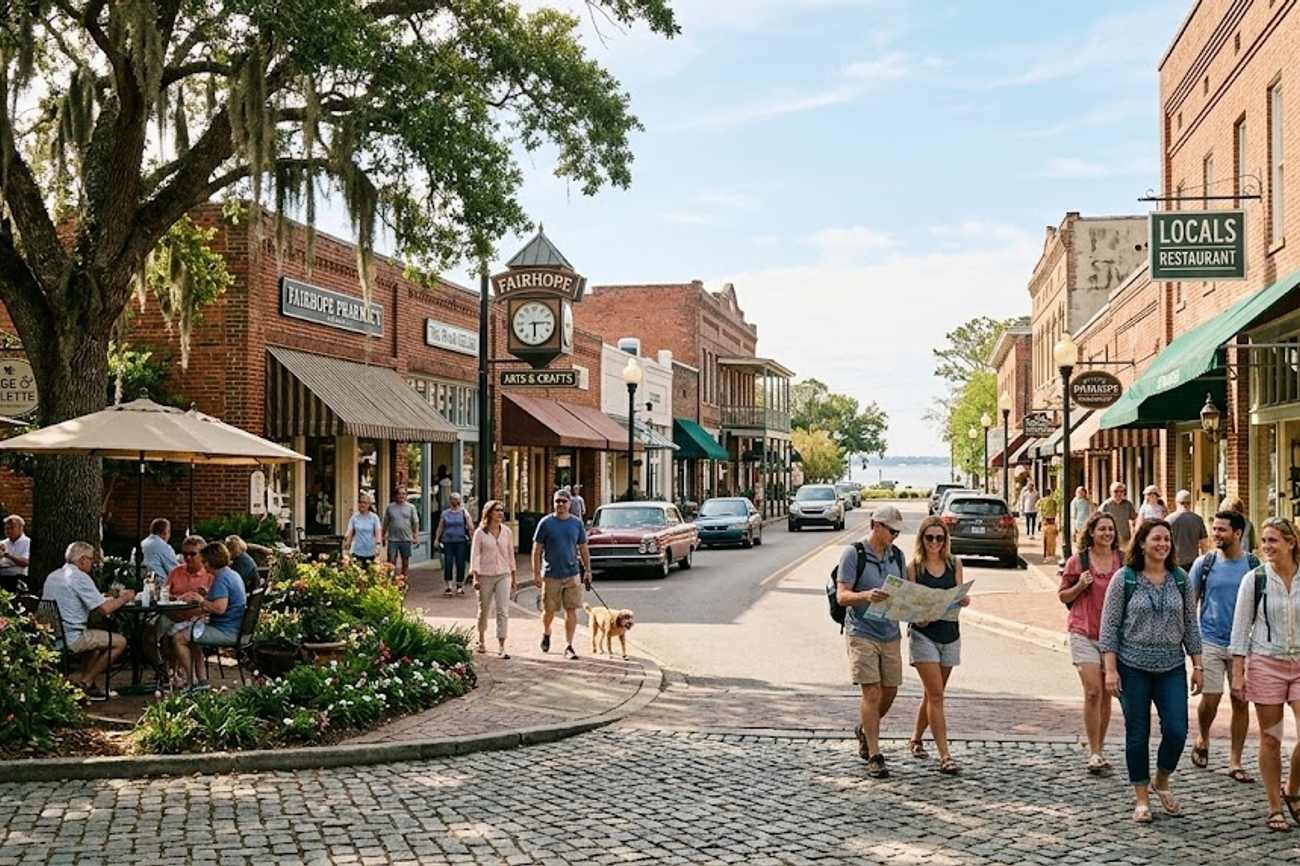
Image generated by AI
[New York, May 2024] — Architectural Digest has released an updated comprehensive index of the most visually and culturally significant small towns across the United States, signaling a shift in international tourism toward "authentic" American experiences over traditional metropolitan hubs. The curated list identifies one primary destination in every state—with Utah receiving two—highlighting a diverse array of maritime villages, mountain retreats, and desert settlements that are increasingly attracting global travelers.
The selection process focuses on the intersection of distinctive architecture, natural landscapes, and local heritage. By moving the spotlight away from high-traffic cities like New York or Los Angeles, the index provides a roadmap for visitors seeking the "hidden" America. The list includes diverse entries such as Fairhope in Alabama, Mystic in Connecticut, and Paia in Hawaii, emphasizing a trend where smaller, character-driven destinations are becoming primary drivers for regional tourism growth.
The Shift Toward Boutique Regionalism
The catalyst for this trend is a documented evolution in international travel preferences. Modern tourists are increasingly eschewing the standardized experiences of major urban centers in favor of locations with a "strong sense of place." This movement is driven by a desire for architectural authenticity and immersive local culture.
The Architectural Digest selections are not based on a quantitative national ranking but are editorial determinations of visual and cultural merit. This distinction is important for travel planners, as the list prioritizes aesthetic and historical value over sheer passenger volume or hotel capacity. The resulting map of destinations spans from the Victorian steep-streets of Eureka Springs, Arkansas, to the meticulously planned coastal community of Seaside, Florida.
Primary Destinations and Regional Profiles
The updated list categorizes the United States into several distinct aesthetic regions. Below is a breakdown of the highlighted towns and their primary draws:
| State | Selected Town | Primary Appeal | Key Characteristics |
|---|---|---|---|
| Alabama | Fairhope | Gulf Coast Charm | Oak-lined avenues, Mobile Bay waterfront, Southern architecture |
| Alaska | Seward | Wilderness Gateway | Access to Kenai Fjords National Park, working harbor, glacier excursions |
| Arizona | Sedona | Red-Rock Geology | Southwestern atmosphere, hiking, desert light, art galleries |
| Arkansas | Eureka Springs | Ozark Heritage | Victorian architecture, steep wooded terrain, independent shops |
| California | Carmel-by-the-Sea | Pacific Arts Colony | Coastal cottages, walkable center, established gallery scene |
| Colorado | Breckenridge | Rocky Mountain History | Mining-era buildings, year-round skiing, high-altitude recreation |
| Connecticut | Mystic | Maritime Tradition | Mystic River waterfront, historic vessels, New England character |
| Delaware | Rehoboth Beach | Atlantic Seaside | Traditional boardwalk, walkable urban amenities, sandy beaches |
| Florida | Seaside | Planned Urbanism | Traditional neighborhood design, white buildings, Gulf Coast setting |
| Georgia | St. Marys | Coastal Quietude | Proximity to Cumberland Island, maritime history, nature trails |
| Hawaii | Paia | Maui Localism | Former plantation town, artistic vibe, gateway to Road to Hana |
Practical Traveler Advisory and Strategic Insights
For the international traveler or the domestic tourist planning a cross-country itinerary, this shift toward smaller destinations changes the logistical approach to US travel.
Booking and Availability As these "prettiest towns" gain visibility through high-profile editorial features, boutique hotels and bed-and-breakfasts in locations like Carmel-by-the-Sea or Sedona are likely to see increased demand. Travelers should expect tighter availability in these markets compared to larger cities, where hotel inventory is more elastic.
Transportation Logistics Unlike major hubs served by primary airports, many of these towns require "last-mile" travel. For example, visiting Seward, Alaska, or Paia, Hawaii, necessitates renting a vehicle or arranging private transfers from larger regional airports. Travelers should plan for increased transit times between the airport and the final destination.
Fairhope, Alabama, attracts international visitors with its blend of coastal charm and artistic heritage along Mobile Bay. Travelers can coordinate their visits through the Alabama Tourism official portal to explore regional lodging and seasonal events.
Experience Expectations Visitors should expect a slower pace of commerce. Many of these towns, such as Eureka Springs or Fairhope, rely on independent galleries and local shops rather than global franchises. This means operating hours may be more limited, and the experience is more focused on pedestrian exploration than high-volume tourism.
The Future of American Small-Town Tourism
The inclusion of destinations like Moab and Springdale in Utah (the only state to receive two selections) underscores the growing importance of the American West's natural landscapes. As the National Park Service (NPS) continues to manage record-breaking crowds at major parks, these "gateway towns" are evolving into sophisticated tourism hubs in their own right.
The trajectory suggests that "destination branding" is moving away from the state level and toward the town level. Rather than visiting "Florida," travelers are now seeking the specific architectural identity of "Seaside." This hyper-localization allows smaller communities to preserve their heritage while capturing a larger share of the international tourism spend.
Moving forward, the integration of these towns into global travel itineraries is expected to increase. The appeal of "authentic America"—defined by the red rocks of Arizona or the maritime history of Connecticut—provides a powerful counter-narrative to the homogenized experience of the American mall or skyscraper.
FAQ: US Small Town Travel 2024
Do I need a rental car to visit these towns? Yes, in most cases. While the centers of towns like Carmel-by-the-Sea or Fairhope are highly walkable, reaching these destinations from major airports and exploring the surrounding natural landscapes requires a private vehicle.
Are these destinations suitable for short-term visits? Yes. Most of these towns are compact and can be explored in 2-3 days. However, gateway towns like Seward (Alaska) or Paia (Hawaii) serve as bases for longer excursions into national parks or scenic routes.
How do these towns differ from major US cities? The primary difference is the focus on "place-making." These towns prioritize historic preservation, local arts, and natural scenery over the commercial density and fast-paced infrastructure found in cities like New York or Chicago.
Is there a specific time of year to visit these regions? It varies by geography. Breckenridge is peak in winter for skiing, while coastal towns like Rehoboth Beach or Seaside are most active in summer. Sedona and Fairhope offer more temperate, year-round appeal.
The American map is expanding beyond the skyline.
Related Travel Guides
Disclaimer
This article is for informational and educational purposes only. It does not constitute legal, financial, or professional advice. While we strive to provide accurate and up-to-date information, travel policies, regulations, and conditions change rapidly. Always verify information with official sources before making travel decisions. Nomad Lawyer makes no representations about the accuracy, reliability, completeness, or suitability of the information provided. Readers should consult qualified professionals for advice specific to their circumstances. The views expressed in this article are those of the author and do not necessarily reflect the views of Nomad Lawyer.
Raushan Kumar
Founder & Lead Developer
Full-stack developer with 11+ years of experience and a passionate traveller. Raushan built Nomad Lawyer from the ground up with a vision to create the best travel and law experience on the web.
Learn more about our team →