
Vancouver Flight Disruptions Snarl 50+ Global Routes in April 2026
Vancouver International Airport's cascading operational failures in April 2026 are radiating delays and cancellations across 50+ international routes, signaling systemic staffing and network congestion issues affecting travelers worldwide.

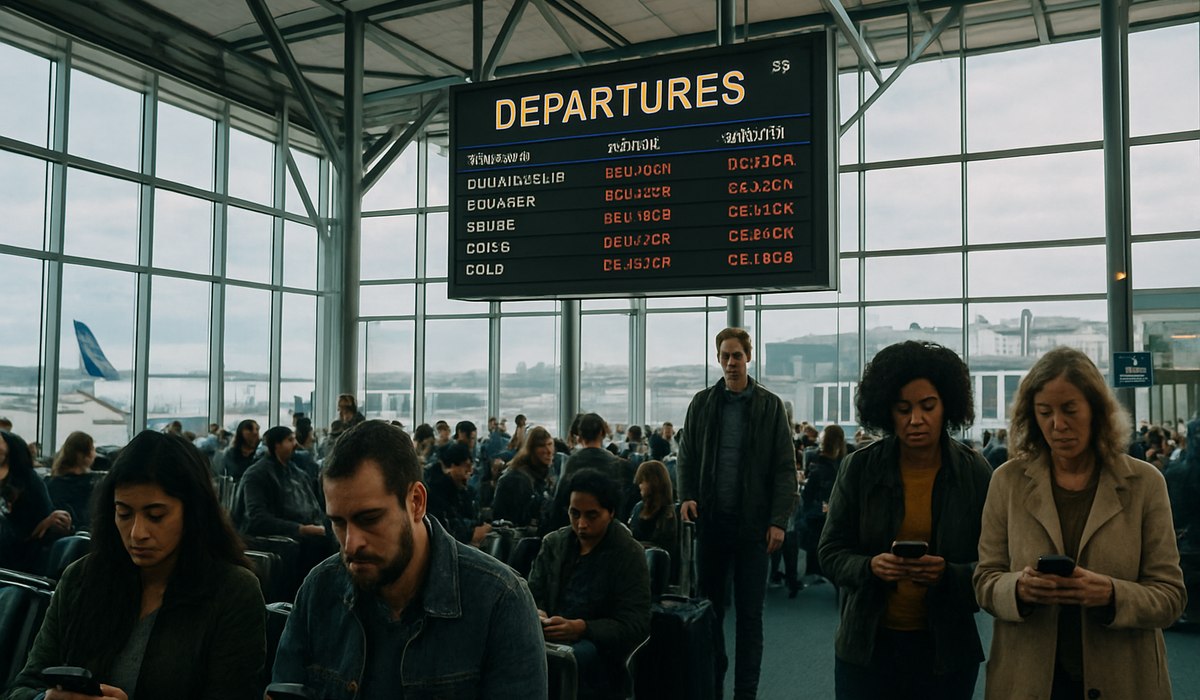
Image generated by AI
Vancouver Airport's Cascading Flight Disruptions Ripple Globally
Vancouver International Airport is emerging as a critical bottleneck in global aviation networks this April, with mounting delays and cancellations now radiating across more than 50 international routes connecting North America, Asia and Europe. The airport, which handles over 27 million passengers annually and serves as Canada's primary Pacific gateway, is experiencing systemic operational strain that extends far beyond isolated weather incidents. Disruptions are affecting major carriers including Air Canada, WestJet, Jazz Aviation and Pacific Coastal Airlines, with single-day snapshots showing 26 cancellations and 168 delays on March 26 alone, followed by 49 additional delays on April 8.
Growing Disruptions at a Key Pacific Gateway
Vancouver International Airport's operational challenges began building momentum in late March 2026 and have intensified through early April. Flight monitoring data reveals a pattern of escalating cancellations and delays across both domestic feeder services and long-haul international flights. On March 26, the airport recorded 26 cancellations touching carriers operating regional routes to British Columbia and Alberta destinations alongside widebody services.
The disruption pattern intensified during the first week of April. April 8 saw at least 49 delays affecting routes to major U.S. cities, India, China, Germany and Fiji. Aviation analysts emphasize these figures represent the visible tip of a much larger operational challenge. When cancellations and delays repeat across consecutive days, they create cascading ripple effects through aircraft rotation schedules, pushing disruption far beyond Vancouver's terminals into connecting hubs throughout North America, Europe and Asia.
The root causes differ markedly from typical weather-related disruptions. Industry observers point to converging staffing shortages, scheduling conflicts and network congestion—challenges that require weeks or months to resolve rather than clearing with favorable weather patterns.
More Than 50 Routes Feeling the Strain
The breadth of vancouver flight disruptions demonstrates how deeply the airport's challenges penetrate global aviation networks. Short-haul regional services connecting Vancouver with Calgary, Victoria and other British Columbia destinations have absorbed significant cancellations, interrupting feeder connections that funnel passengers into the airport's long-haul international banks.
Simultaneously, long-distance international services face mounting pressure. Confirmed disruptions on April 8 alone affected routes to India, China, Germany, Fiji and numerous U.S. cities. When March data is factored into the analysis, affected city pairs climb well beyond 50, spanning everything from regional turboprop operations to widebody transpacific and transatlantic services.
Schedule changes compound traveler uncertainty. Passengers report advanced departure time shifts of up to one hour on future Vancouver services, sometimes occurring months in advance. These adjustments, while appearing minor, invalidate tightly-timed connections and force complete rebooking for multi-leg international itineraries. Simultaneously, several airlines are trimming Vancouver networks during peak summer season, reducing fallback options when stranded passengers require alternative routings.
Staffing and Network Congestion: Root Causes Beyond Weather
Vancouver flight disruptions stem from operational factors extending well beyond seasonal weather challenges. Staffing shortages in ground handling, aircraft maintenance and air traffic control operations have created bottlenecks throughout the airport's daily schedule.
Network congestion compounds these staffing gaps. Vancouver's role as a critical connection point between North American domestic networks and Asia-Pacific routes means single-day disruptions cascade exponentially. A delayed aircraft arriving from Tokyo may miss its scheduled departure slot to a European destination, creating secondary cancellations that propagate through international networks.
The convergence of these systemic challenges—rather than any isolated incident—explains why the disruptions have persisted across multiple weeks. Industry analysts indicate that resolving staffing deficits and network imbalances typically requires 4-8 weeks of sustained operational recovery efforts.
Knock-On Effects Across North America and Beyond
Vancouver's operational challenges intersect with broader disruption patterns across Canada and international hubs. Major airports in Toronto, Montreal, Calgary and Winnipeg reported elevated disruptions coinciding with Vancouver's problems during early April. In the United States, Washington Dulles International Airport experienced concentrated disruption on April 6 when 146 flights were affected in a single day.
These cascading disruptions create rebooking pressure at major transatlantic gateways, including Amsterdam, as North American carriers attempt to move stranded passengers onward after missed connections. Simultaneously, Asia-Pacific airports including Seoul Incheon and other regional hubs are contending with their own bottlenecks, with over 3,000 delays reported across major Asian airports during early April alone.
When North American network strain collides with Asia-Pacific congestion, connecting traffic routed through Vancouver experiences extended misalignments. Additional complexity stems from ongoing airspace restrictions in the Middle East, which force rerouting of some Europe-bound traffic and compress available routing options further.
Live Flight Status and Tracking Resources
Travelers affected by vancouver flight disruptions should monitor real-time departure and arrival information through FlightAware, which provides live tracking, historical delay data and detailed flight status updates. The Federal Aviation Administration's FAA Flight Delay Information offers North American operational updates, while the U.S. Department of Transportation's consumer protection resources outline passenger rights during disruptions.
Vancouver International Airport's official website provides departure and arrival boards with current delays and cancellations. Passengers should check status updates directly with their airline at least 24 hours before travel, as schedule changes continue evolving through mid-April.
Disruption Impact Summary
| Metric | Details |
|---|---|
| Airport Affected | Vancouver International Airport (YVR) |
| Peak Disruption Date | March 26, 2026: 26 cancellations, 168 delays |
| Follow-Up Impact | April 8, 2026: 49 delays across 50+ routes |
| Routes Impacted | 50+ international routes to Asia, Europe, U.S. |
| Primary Carriers | Air Canada, WestJet, Jazz Aviation, Pacific Coastal |
| Root Cause | Staffing shortages, network congestion, scheduling conflicts |
| Geographic Ripple | North America, Europe, Asia-Pacific hubs |
What This Means for Travelers
The ongoing vancouver flight disruptions require immediate action for any traveler with bookings involving Vancouver International Airport in April and May 2026.
Traveler Action Checklist:
-
Verify flight status 48 hours before departure by checking your airline's website or FlightAware's live tracking system; do not rely on initial booking confirmations.
-
Request rebooking proactively if your flight shows delays exceeding 90 minutes or faces cancellation; don't wait for your airline to contact you.
-
Document all expenses related to disruptions including meals, accommodation and transportation; keep receipts for U.S. DOT compensation claims.
-
Check passenger rights policies through your airline and the U.S. Department of Transportation, which mandates specific compensation thresholds for delays and cancellations.
-
Consider route alternatives such as flying through Toronto Pearson, Calgary or Seattle instead of Vancouver to avoid the affected hub.
-
Build additional connection time into multi-leg itineraries by booking at least 3+ hours between connections when transiting Vancouver.
-
Contact airline customer service directly rather than relying on automated systems; phone representatives have access to real-time rebooking options.
Frequently Asked Questions
Q: How long are vancouver flight disruptions expected to continue? A: Aviation analysts project 4-8 weeks of elevated disruptions as Vancouver International Airport
Disclaimer
This article is for informational and educational purposes only. It does not constitute legal, financial, or professional advice. While we strive to provide accurate and up-to-date information, travel policies, regulations, and conditions change rapidly. Always verify information with official sources before making travel decisions. Nomad Lawyer makes no representations about the accuracy, reliability, completeness, or suitability of the information provided. Readers should consult qualified professionals for advice specific to their circumstances. The views expressed in this article are those of the author and do not necessarily reflect the views of Nomad Lawyer.
Kunal K Choudhary
Co-Founder & Contributor
A passionate traveller and tech enthusiast. Kunal contributes to the vision and growth of Nomad Lawyer, bringing fresh perspectives and driving the community forward.
Learn more about our team →