
Uttar Pradesh Spiritual Tourism Revolution Sets New Benchmarks
Uttar Pradesh revolutionizes spiritual travel with ₹37,688 crore investment, attracting 7.2 crore visitors to Ayodhya and 2.25 crore to Varanasi.

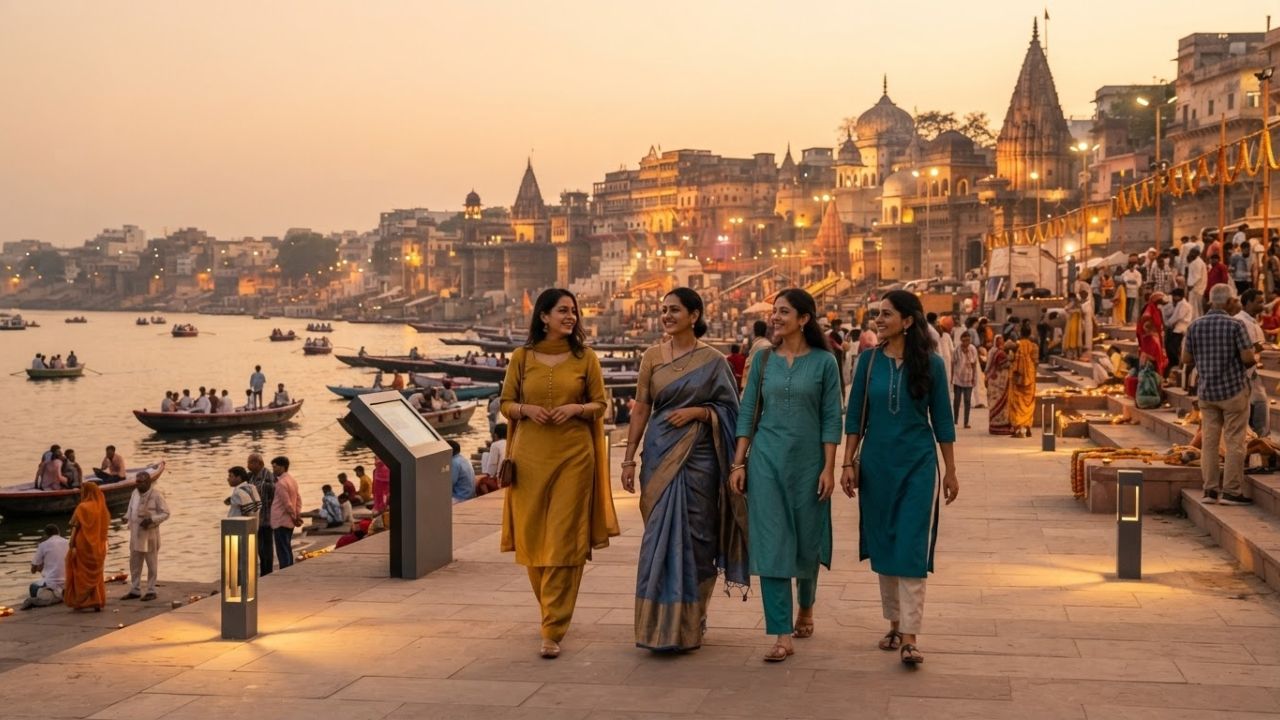
Image generated by AI
Uttar Pradesh has radically modernized its spiritual travel networks through a massive capital commitment of over ₹37,688 crore, attracting 646.8 million tourists state-wide. Record-breaking footfalls of approximately 7.2 crore visitors to Ayodhya and around 2.25 crore arrivals in Varanasi highlight the state's transition from traditional seasonal pilgrimage corridors to year-round wellness destinations.
Restructuring the Spiritual Travel Infrastructure
The travel sector in India is experiencing a transition as planners build regional destinations to diversify visitor experiences. In August 2026, the ongoing modernization of spiritual hubs across Uttar Pradesh is offering travelers a cultural experience that highlights regional heritage.
By establishing these seasonal travel corridors, the airline's management aims to support both business and leisure travel flows. Corporate travelers and travel agencies, which maintain strong relationships with global destination management organizations, benefit from direct seat capacity. This economic integration supports the travel sector, providing service providers with a reliable channel for high-value bookings.
By establishing these seasonal travel corridors, the airline's management aims to support both business and leisure travel flows. Canadian corporate travelers and travel agencies, which maintain strong relationships with European and Asian destination management organizations, would benefit from direct seat capacity. This economic integration supports the travel sector, providing service providers with a reliable channel for high-value bookings.
By establishing these seasonal travel corridors, the airline's management aims to support both business and leisure travel flows. Canadian corporate travelers and travel agencies, which maintain strong relationships with European and Asian destination management organizations, would benefit from direct seat capacity. This economic integration supports the travel sector, providing service providers with a reliable channel for high-value bookings.
By establishing these seasonal travel corridors, the airline's management aims to support both business and leisure travel flows. Canadian corporate travelers and travel agencies, which maintain strong relationships with European and Asian destination management organizations, would benefit from direct seat capacity. This economic integration supports the travel sector, providing service providers with a reliable channel for high-value bookings.
By establishing these seasonal travel corridors, the airline's management aims to support both business and leisure travel flows. Canadian corporate travelers and travel agencies, which maintain strong relationships with European and Asian destination management organizations, would benefit from direct seat capacity. This economic integration supports the travel sector, providing service providers with a reliable channel for high-value bookings.
By establishing these seasonal travel corridors, the airline's management aims to support both business and leisure travel flows. Canadian corporate travelers and travel agencies, which maintain strong relationships with European and Asian destination management organizations, would benefit from direct seat capacity. This economic integration supports the travel sector, providing service providers with a reliable channel for high-value bookings.
Over ₹37,688 crore in capital proposals has been directed into infrastructure upgrades.
This capital infusion is building expressways, upgrading airport terminals, and expanding railway networks. Major destinations have upgraded transit options, replacing basic inns with luxury hotels and heritage resorts. Digital site logistics, including contact-free ticketing and mobile app tracking, have established a predictable, year-round tourism economy.
Footfall Dynamics of the Sacred Corridors: Ayodhya and Varanasi
The massive influx of international and domestic visitors is reshaping the regional travel economy.
This localized disruption also offers a unique opportunity for duty-free retailers and terminal operators to design services suited for stranded passengers. By monitoring passenger comfort levels during long delays, airport customer teams can provide complimentary amenities to ensure guest satisfaction. This proactive approach helps build traveler confidence, ensuring that regional transit routes remain competitive with global hub standards.
This localized disruption also offers a unique opportunity for duty-free retailers and terminal operators to design services suited for stranded passengers. By monitoring passenger comfort levels during long delays, airport customer teams can provide complimentary amenities to ensure guest satisfaction. This proactive approach helps build traveler confidence, ensuring that regional transit routes remain competitive with global hub standards.
During the initial six months of 2026, Ayodhya welcomed approximately 7.2 crore visitors to its newly transformed sacred precincts.
Varanasi recorded around 2.25 crore arrivals between January and March of 2026, contributing to the state's total of 646.8 million tourists. This surge generates daily demand for local transit, lodging, and craft vendors, encouraging foreign tourists to add regional circuits to their Asian itineraries.
The Rise of Sacred Wellness and Curated Heritage Circuits
Modern travelers are combining traditional pilgrimages with mindfulness retreats and wellness experiences.
This environmental focus is supported by regional climatologists and conservationists who monitor ecosystem health. By tracking tourist footprint signals, managers can ensure that natural areas remain protected. The integration of carrying-capacity policies with wilderness trails demonstrates how tourism planning can protect biodiversity while offering high-quality educational hikes.
This localized culinary focus also offers a unique opportunity for restaurant associations and culinary schools to design programs suited for premium travelers. By monitoring traveler culinary preferences during long stays, local chefs can provide customized dishes to ensure guest satisfaction. This proactive approach helps build traveler confidence, ensuring that Goan coastal dining remains competitive with global culinary standards.
This localized culinary focus also offers a unique opportunity for restaurant associations and culinary schools to design programs suited for premium travelers. By monitoring traveler culinary preferences during long stays, local chefs can provide customized dishes to ensure guest satisfaction. This proactive approach helps build traveler confidence, ensuring that Goan coastal dining remains competitive with global culinary standards.
Travel providers are designing 3-to-5-day luxury itineraries featuring guided heritage walks.
These programs increase visitor dwell times, benefiting craft villages, historic forts, and ecological preserves surrounding core pilgrimage hubs. Integrated digital booking platforms and multilingual guides deliver organized, world-class experiences.
Community Support and Sustainable Regional Travel
Directing tourist spend toward local weaving cooperatives and craft markets preserves traditional art forms.
For the visitor, the real impact is visiting a destination where travel spending directly supports local artisans, municipal shuttle drivers, and community-led heritage sites.
Sustainable initiatives include reducing waste near sacred ghats, promoting low-emission transport links, and sourcing food products from regional farms.
Visitor Guide: Local Specialties, Transit Fares, and Etiquette Rules
Exploring Varanasi, Ayodhya, and neighboring districts involves coordinating airport transit, complying with temple guidelines, and trying regional delicacies.
Sample traditional culinary specialties during your stay. Savor Kachori Sabzi, a flaky deep-fried pastry served with potato gravy. Try Malaiyo, a delicate saffron-flavored milk foam dessert topped with pistachios. Enjoy fresh lassi served in traditional clay cups.
Coordinate your local transport. Fly to Lal Bahadur Shastri International Airport (VNS) in Varanasi or Maharishi Valmiki International Airport (AYY) in Ayodhya. Hire pre-paid airport taxis to the city center for a fare of 800 to 1,200 INR.
Observe sacred customs and temple etiquette. Dress modestly by covering shoulders and knees; remove shoes before entering temple premises. Avoid photographing private rituals at the cremation ghats. Book evening boat rides through government-approved operators. Passports must have 6 months of validity.
Future Outlook: Rebuilding a Resilient Regional Transport Corridor
The long-term development of regional tourism depends on integrating transport corridors with regional planning. The state tourism department and municipal planners are collaborating to support regional travel pipelines.
Sustainable initiatives include building low-emission shuttle links, promoting eco-friendly guesthouses, and introducing cultural heritage guides. By combining smart visitor management with traditional agricultural preservation, the region aims to support travel innovation, securing a resilient and connected future for Central Europe's mountain communities.
Related Travel Guides
Disclaimer
This article is for informational and educational purposes only. It does not constitute legal, financial, or professional advice. While we strive to provide accurate and up-to-date information, travel policies, regulations, and conditions change rapidly. Always verify information with official sources before making travel decisions. Nomad Lawyer makes no representations about the accuracy, reliability, completeness, or suitability of the information provided. Readers should consult qualified professionals for advice specific to their circumstances. The views expressed in this article are those of the author and do not necessarily reflect the views of Nomad Lawyer.
Raushan Kumar
Founder & Lead Developer
Full-stack developer with 11+ years of experience and a passionate traveller. Raushan built Nomad Lawyer from the ground up with a vision to create the best travel and law experience on the web.
Learn more about our team →