
Hawaii Set-Jetting Travel Guide 2026: How Film Locations Drive Record Spending Across Oahu and Kauai
Even as annual visitor volume moderated to 9.64 million, tourist spending across Hawaii reached a record US$21.75 billion, propelled by pop-culture set-jetters on Oahu and Kauai.

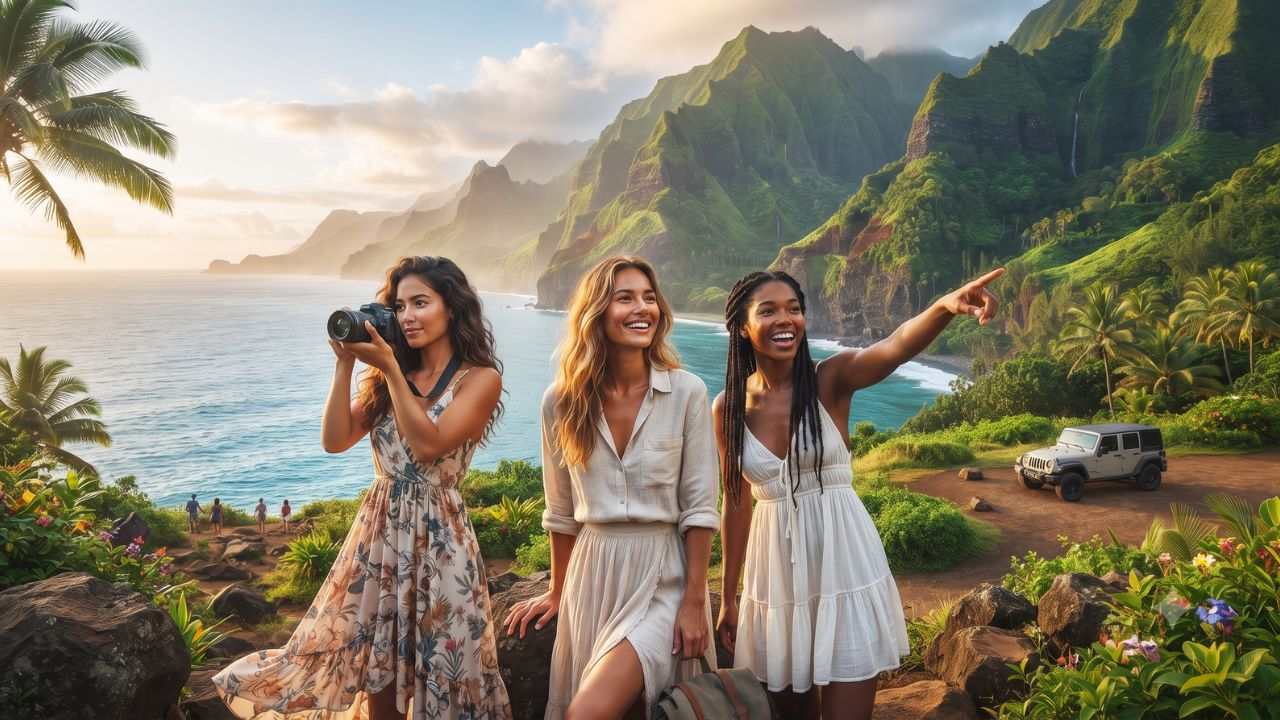
Even as total visitor arrivals moderated slightly to 9.64 million, traveler expenditures across Hawaii surged to an all-time record of US$21.75 billion, powered by passionate pop-culture fans touring iconic film locations. Driven by television series and Hollywood adventure blockbusters, this 5.7% revenue jump over the previous year—and a massive 22.8% surge compared to pre-pandemic 2019 levels—marks a decisive structural evolution toward high-yield, experience-centered travel across the Pacific archipelago.
The High-Yield Cinematic Pivot: How Pop-Culture Pilgrimages Drive Billions
According to economic audits by the Hawaii Department of Business, Economic Development & Tourism (DBEDT), the islands' creative media sector forms a vital economic pillar. Supported by the state film tax credit framework (HRS 235-17), local creative enterprises generate US$5.6 billion in annual Gross Domestic Product—accounting for 5.3% of Hawaii's total civilian GDP—and support 55,619 jobs across 5,353 specialized establishments. Recent on-location studio productions generated US$156.60 million in direct local expenditure and US$9.84 million in direct state tax revenue.
Rather than pursuing unmanaged mass-volume tourism, the state's marketing channels on Go Hawaii have embraced curated set-jetting itineraries. High-spending travelers from around the world are deliberately bypassing generic resort lounging to embark on guided cinema treks across Oahu's lush valleys and Kauaʻi's sheer sea cliffs.
| Hawaiian Island | Annual Visitors | Primary Filming & Media Attractions | Average Visitor Stay Pattern |
|---|---|---|---|
| Oahu | 5.68 million | Kualoa Ranch, historic Honolulu studios, North Shore | 8.7 days (overall island average) |
| Maui | 2.52 million | Coastal luxury resorts, volcanic road corridors | 8.9 days (leisure & resort focus) |
| Hawaiʻi Island | 1.75 million | Kona coast (1.55M arrivals), volcanic craters | 8.4 days (adventure & marine trails) |
| Kauaʻi | 1.42 million | Manawaiopuna Falls, Nāpali Coast, Hanalei Bay | 8.2 days (eco-trekking & aerial tours) |
Air transport infrastructure provides the logistical backbone for this demographic. Daniel K. Inouye International Airport in Honolulu handled 10.43 million boarding passengers, ranking 30th nationwide. Of the 9.49 million total air arrivals across the state, 7.88 million arrived from the US mainland, while 1.61 million arrived on international flights.
What Makes Island-by-Island Filming Geography Different
The spatial distribution of set-jetters aligns directly with individual island production histories. Oahu welcomed 5.68 million visitors who toured active production studios and private preserves like Kualoa Ranch, which has hosted dozens of prehistoric and wartime cinematic epics.
Kauaʻi, renowned as the "Garden Isle," welcomed 1.42 million travelers seeking out dramatic canyon waterfalls and cathedral cliffs that served as untouched tropical worlds in classic adventure cinema.
International market dynamics also demonstrate strong cultural affinities. Japan solidified its role as Hawaii's premier overseas market with 731,922 visitors (up 3.3% year-over-year), distinguished by high daily per-person spending despite a shorter 6.0-day average length of stay. Canadian travelers contributed 394,345 arrivals with the longest average stay at 11.1 days, while visitors from the US East averaged 9.5 days. Cruise vessels carried an additional 149,778 maritime visitors who averaged 4.7 days exploring coastal ports and filming landmarks.
State film production resources managed through the Hawaii Film Office ensure that incoming film productions hire local union crews and protect ecological reserves.
Visitor Insider Tips
- Book Kualoa Ranch Film Tours Months in Advance: Private valley movie tours on Oahu sell out up to eight weeks ahead during peak summer and winter holiday windows.
- Charter Morning Helicopter Flights for Kauaʻi Waterfalls: Reserve early morning aerial charters to view Manawaiopuna Falls ("Jurassic Falls") in Hanapepe Valley before trade-wind cloud cover develops in the afternoon.
- Respect Cultural Kapu and Sacred Heiau: When visiting public beach filming locations on the North Shore or Waimea Bay, remain strictly on marked public pathways and never climb ancient stone temple platforms (heiau).
- Utilize TheBus Transit on Oahu: Avoid high rental car and parking fees by utilizing Honolulu's reliable municipal bus network (TheBus), which connects Waikiki directly to historic downtown and windward filming trailheads.
- Secure State Park Reservations for Hāʻena on Kauaʻi: Independent travelers exploring the northern tip of Kauaʻi near Keʻe Beach must purchase timed park entry and shuttle vouchers online before arrival.
Cultural and Environmental Context
The transformation toward high-yield set-jetting allows Hawaii to balance economic revenue with environmental stewardship (mālama ʻāina). With higher per-person spending compensating for lower total volume, municipal authorities can invest directly in reef protection, trail preservation, and Native Hawaiian cultural restoration.
Furthermore, state film permitting mandates require commercial production companies to employ cultural liaisons and environmental monitors, ensuring that commercial storytelling honors indigenous heritage and leaves sacred sites undisturbed.
FAQ: Hawaii Set-Jetting and Film Tourism 2026
What was Hawaii's total visitor spending and arrival count in 2025?
Hawaii recorded a record US$21.75 billion in total visitor spending across 9.64 million total visitor arrivals.
Which Hawaiian island receives the most film tourism visitors?
Oahu leads the state with 5.68 million annual visitors, followed by Maui (2.52M), Hawaiʻi Island (1.75M), and Kauaʻi (1.42M).
How much do the creative industries contribute to Hawaii's economy?
Creative industries generate US$5.6 billion in Gross Domestic Product (5.3% of state GDP) and support 55,619 local jobs.
Can visitors land at Manawaiopuna Falls on Kauaʻi?
Yes, authorized commercial helicopter tours offer permitted landings at private Manawaiopuna Falls in Hanapepe Valley.
From the emerald spires of the Nāpali Coast to the storied valleys of Oahu, cinematic travel invites visitors to step directly into the living magic of the Pacific.
Related Travel Guides
Disclaimer
This article is for informational and educational purposes only. It does not constitute legal, financial, or professional advice. While we strive to provide accurate and up-to-date information, travel policies, regulations, and conditions change rapidly. Always verify information with official sources before making travel decisions. Nomad Lawyer makes no representations about the accuracy, reliability, completeness, or suitability of the information provided. Readers should consult qualified professionals for advice specific to their circumstances. The views expressed in this article are those of the author and do not necessarily reflect the views of Nomad Lawyer.
Kunal K Choudhary
Co-Founder & Contributor
A passionate traveller and tech enthusiast. Kunal contributes to the vision and growth of Nomad Lawyer, bringing fresh perspectives and driving the community forward.
Learn more about our team →