
USA Travel Spotlight: Florida Route 60 Could Become a Powerful Scenic Road Trip Corridor
USA Travel Spotlight: Florida Route 60 Could Become a Powerful Scenic Road Trip Corridor
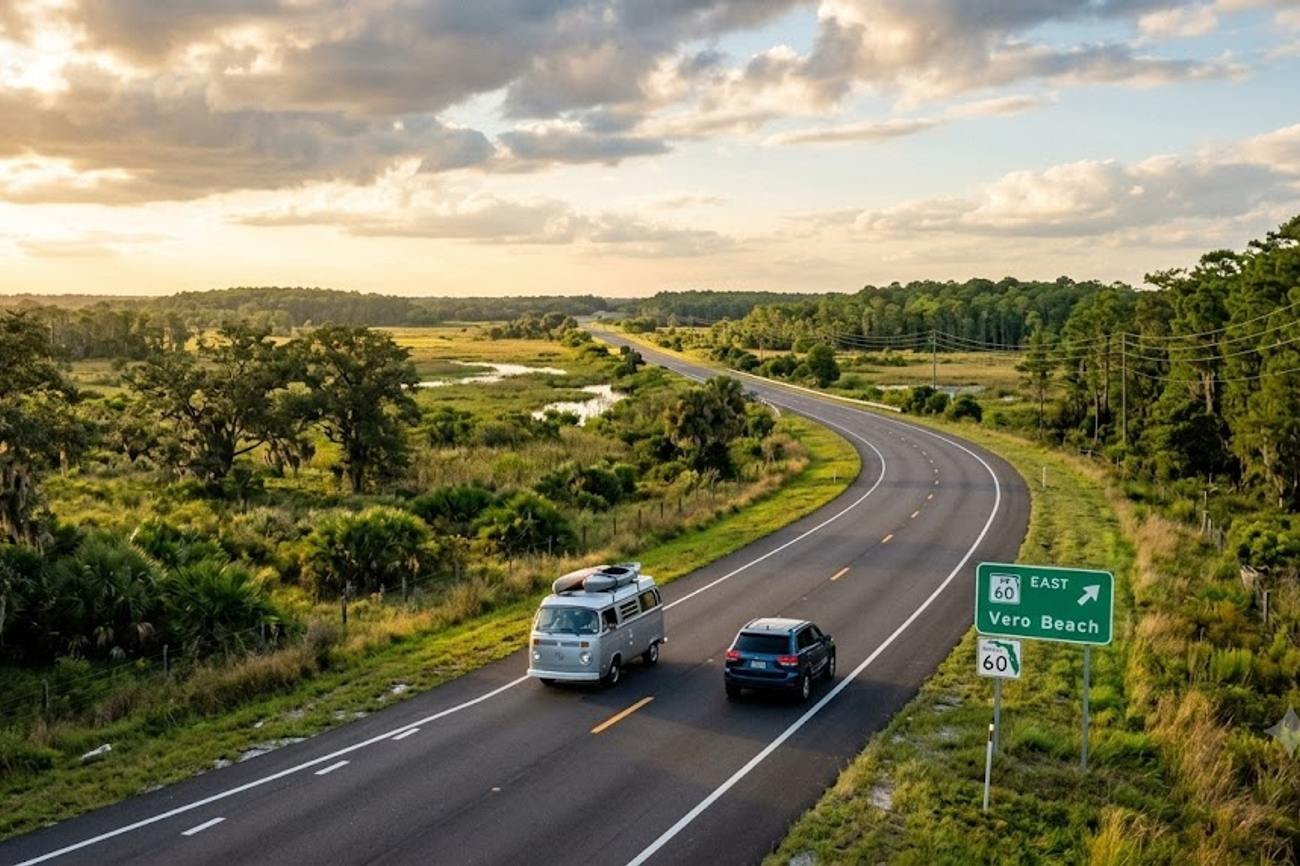
Image generated by AI
Most travelers treat the drive across the Florida peninsula as a chore to be endured between the Gulf and the Atlantic, but a new movement is transforming State Road 60 into a destination in its own right. While the masses crowd into the theme park corridors of Orlando or the white sands of the coast, this east-west artery is being reimagined as a scenic highway that prioritizes the slow rhythm of inland life over the speed of transit.
The Shift Toward the Inland Corridor
For decades, Florida tourism has been a tale of two coasts, with the interior serving merely as the connective tissue. However, the emergence of the Route 60 Scenic Highway concept marks a pivot in how the state views its own geography. Rather than a simple transport link stretching from Clearwater on the Gulf Coast to Vero Beach on the Atlantic Coast, the road is being repositioned as a curated experience.
This transition is most evident in Polk County, where the initiative is currently concentrating its efforts. The goal is to strip away the "highway" mentality and replace it with a "journey" mentality. By highlighting the rural landscapes and small-town heritage that usually blur past a driver's window at 70 miles per hour, the project is tapping into a global trend of experience-driven travel. Visitors are no longer satisfied with the sanitized versions of Florida found in resort brochures; they are searching for the grit, the soil, and the authentic stories of the people who actually live and work in the state's heartland.
What Makes the Route 60 Experience Different
The allure of Route 60 lies in its diversity. In a single day's drive, the environment shifts from urban centers to sprawling agricultural zones and deep nature preserves. This is the Florida of citrus groves and cattle ranches—a side of the state that feels worlds away from the neon lights of South Beach.
The corridor serves as a gateway to several overlooked communities in Polk County, specifically Lake Wales, Indian Lake Estates, Alturas, Bartow, and Mulberry. These aren't just dots on a map; they are repositories of Florida's agrarian history. In Mulberry, for example, the legacy of phosphate mining and citrus farming creates a cultural atmosphere that is starkly different from the coastal vibe.
Beyond the towns, the geography offers a raw, unmanicured beauty. The route intersects with forests, wetlands, and expansive lakes that provide a sanctuary for wildlife. For those who prefer hiking boots to flip-flops, the corridor offers access to conservation lands and nature trails that remain largely empty even during peak travel seasons. This is an invitation to see the peninsula as a living ecosystem rather than a series of tourist traps. To understand the broader environmental significance of these regions, visitors can explore the guidelines and protections managed by the Florida Department of Environmental Protection.
Visitor Insider Tips
Navigating the interior of Florida requires a different mindset than visiting a city. To truly experience Route 60, you have to be willing to deviate from the main road.
Timing Your Trip: To avoid the heavy commuter traffic and the humidity of the summer months, plan your crossing for late October through March. The "winter" months in Florida are when the interior air is crisp and the citrus groves are most fragrant.
The Agritourism Angle: Don't just drive through the farms—stop at them. Look for local markets and seasonal events in the Polk County stretch. This is your chance to buy produce directly from the source and engage with the ranching community. If you are visiting during the harvest season, seek out small-scale citrus operations for a more personal experience than the commercial groves.
Transport and Navigation: While the route is straightforward, the best experiences are found on the side roads. Rent a vehicle with a bit of clearance if you plan on venturing into the nature preserves or rural ranch lands. For those planning a broader Florida itinerary, the Visit Florida portal provides updated maps of regional attractions.
Local Etiquette: In towns like Bartow and Mulberry, the pace is slower. When visiting local businesses, take the time to chat. These communities are proud of their heritage and are often eager to share stories about the region's agricultural evolution with those who show genuine interest.
Cultural and Environmental Context
The push to designate Route 60 as a scenic highway is not merely a marketing ploy; it is an economic strategy for rural survival. For too long, the massive tourism revenues generated by Florida's coasts and theme parks have failed to trickle down to the inland agricultural communities. By encouraging "slow travel," the state is attempting to redistribute tourism spending into the hands of local hotel owners, family-run restaurants, and independent farmers.
However, this influx of visitors brings a delicate challenge: balancing economic growth with environmental preservation. The Route 60 corridor passes through critical wildlife habitats and conservation areas. The success of this initiative depends on a model of sustainable tourism that respects the land. The goal is to create a symbiotic relationship where the visitor's curiosity funds the preservation of the very landscapes they come to see.
Furthermore, this movement helps preserve the cultural identity of the "Old Florida." As the state continues to urbanize at a rapid pace, the rural heritage of places like Lake Wales and Mulberry is at risk of being swallowed by sprawl. By turning these towns into destinations, the state provides a financial incentive to maintain historic buildings and traditional farming practices. For a deeper look at how Florida protects its unique sites, the UNESCO World Heritage archives offer context on the types of natural and cultural assets that make the region globally significant.
FAQ: Visiting Route 60 2026
What is the best time to visit the Route 60 corridor? Visit between November and March. The weather is mild, making outdoor exploration of nature preserves and agricultural farms much more comfortable than the oppressive heat and rain of the summer months.
Is Route 60 safe for solo travelers? Yes, it is generally very safe. While the route passes through remote rural areas, the main corridor is well-maintained. Just ensure you have a full tank of gas and a reliable map when venturing into the deeper conservation lands.
How do I get to the Route 60 corridor from Orlando? Route 60 runs east-west, while Orlando is centrally located. You can easily access the corridor by taking a short drive south or north to connect with State Road 60, which will then lead you toward either the Gulf or Atlantic coasts.
What should I pack for a trip through inland Florida? Bring sturdy walking shoes for nature trails, insect repellent for the wetlands, and a camera for the rural landscapes. Since you will be visiting small towns, carry some cash for local farm stands that may not accept digital payments.
Stop chasing the coast and start discovering the soul of the peninsula.
#FloridaRoute60 #PolkCountyTravel #FloridaAgritourism #InlandFlorida2026 #RuralFloridaRoadtrip
Related Travel Guides
- Malaysia’s Sarawak Emerges As Asia’s Next Music Tourism Hotspot After Borderland Festival Pulls 9,000 Visitors In One Night
- Nashville and New Orleans are Surging as Premier Weekend Short Getaway Destination Across US for These New Reasons in 2026
- London Is Now Set to Unlock More Global Tourism Deals and New Travel Tech Opportunities at WTM 2026
Disclaimer
This article is for informational and educational purposes only. It does not constitute legal, financial, or professional advice. While we strive to provide accurate and up-to-date information, travel policies, regulations, and conditions change rapidly. Always verify information with official sources before making travel decisions. Nomad Lawyer makes no representations about the accuracy, reliability, completeness, or suitability of the information provided. Readers should consult qualified professionals for advice specific to their circumstances. The views expressed in this article are those of the author and do not necessarily reflect the views of Nomad Lawyer.
Naina Thakur
Contributor & Travel Specialist
Travel enthusiast and legal writer covering visa regulations, responsible tourism, and cultural journeys across global destinations.
Learn more about our team →