
Malaysia’s Sarawak Emerges As Asia’s Next Music Tourism Hotspot After Borderland Festival Pulls 9,000 Visitors In One Night
Malaysia’s Sarawak Emerges As Asia’s Next Music Tourism Hotspot After Borderland Festival Pulls 9,000 Visitors In One Night

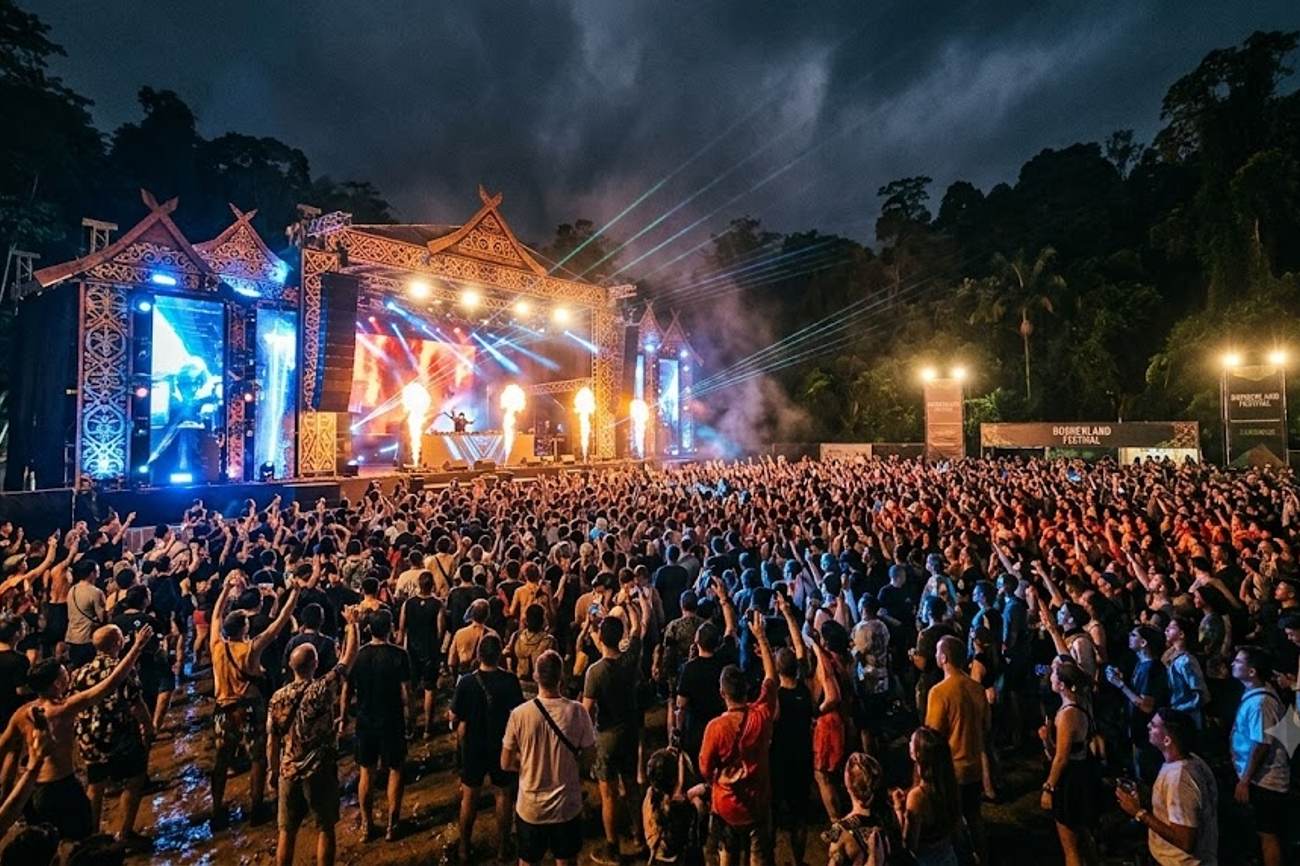
Image generated by AI
While Sarawak has historically relied on heritage-based tourism, the Borderland Music Festival's opening night on September 11, 2026, drew 9,000 attendees in a single evening—a concentrated surge of high-spending youth and professional demographics that signals a pivot toward "experience-led" travel. This shift represents a strategic diversification of the region's tourism portfolio, moving from the traditional, slower-paced cultural tourism associated with the Rainforest World Music Festival toward high-intensity, contemporary entertainment events.
The Borderland Surge: Music Tourism by the Numbers
The data from the 2026 edition of the Borderland Music Festival provides a clear indicator of the scalability of electronic dance music (EDM) as a tourism driver in East Malaysia. The event, hosted at the Sarawak Culture Village in Damai, recorded 9,000 visitors on its first night. Projections for the second night suggest a further increase to between 11,000 and 12,000 attendees, primarily driven by the timing of the event preceding a public holiday.
This volume of visitors creates an immediate, high-density demand for local infrastructure. The economic impact is most visible in four primary sectors:
- Hospitality: Immediate occupancy spikes in hotels surrounding the Damai area.
- Gastronomy: Increased throughput for restaurants and local food vendors.
- Logistics: Heightened demand for transport operators connecting Kuching to the Damai region.
- Local Services: Increased revenue for tourism businesses operating within the Sarawak Culture Village.
The ability of the event to maintain these numbers despite regional haze concerns indicates a high level of consumer resilience. According to IATA, the appetite for international and regional travel for specialized events often outweighs temporary environmental deterrents, provided that safety monitoring systems are transparent and active.
Comparative Context: Heritage vs. High-Energy Tourism
Sarawak is currently executing a dual-track tourism strategy. For years, the state has been anchored by the Rainforest World Music Festival, which attracts a demographic interested in global folk and indigenous sounds. Borderland 2026, however, targets a fundamentally different market segment: young travelers, professionals, and EDM enthusiasts.
This transition is part of a broader regional trend across Asia where destinations are shifting from "passive" sightseeing to "active" event-based travel. When compared to traditional cultural tourism, music tourism typically yields a higher average daily spend per visitor due to the inclusion of ticket costs, premium beverage consumption, and specialized merchandise.
| Metric | Heritage Tourism (Traditional) | Music Tourism (Borderland Model) |
|---|---|---|
| Primary Demographic | Cultural Enthusiasts / Older Adults | Gen Z / Millennials / Young Professionals |
| Travel Motivator | Education, Nature, History | Entertainment, Social Status, Nightlife |
| Spending Pattern | Distributed (Museums, Local Crafts) | Concentrated (Tickets, Hotels, High-End Dining) |
| Visitor Density | Steady over longer durations | High-intensity spikes (11k-12k in 48 hours) |
| Regional Impact | Broad cultural preservation | Rapid infrastructure pressure in Damai |
The growth of this sector aligns with global data from the World Travel & Tourism Council (WTTC), which suggests that "event-based" travel is one of the fastest-growing segments in the Asia-Pacific region, as travelers increasingly prioritize "once-in-a-lifetime" experiences over standard itinerary sightseeing.
What This Means for Travelers
The emergence of Damai as a music tourism hub changes the booking calculus for anyone visiting Sarawak in the second half of the year. The data suggests that the "Borderland Effect" will create severe bottlenecks in accommodation and transport during the festival window.
Actionable Booking Advice:
- Lead Time: If your visit coincides with the Borderland Music Festival or similar large-scale events, booking 12-16 weeks in advance is now mandatory. The surge to 12,000 visitors in a concentrated area like Damai will lead to rapid hotel sell-outs.
- Transport Logistics: Do not rely on on-demand ride-sharing during the festival peak. Pre-arrange transport from Kuching to Damai, as the 9,000+ attendee volume will likely exhaust available local transport operators.
- Diversified Itineraries: Use the festival as an anchor but schedule your cultural visits to the Sarawak Culture Village outside of the event dates to avoid the crowds associated with the 11,000-12,000 visitor peak.
- Budgeting: Expect "event pricing" for local services. During the festival window, demand-based pricing for dining and transport in the Damai area is likely to increase.
Forward Projection: Damai as a Regional Entertainment Hub
Based on the current trajectory, Borderland is not merely a standalone event but a prototype for a new tourism brand. The transition from 9,000 to a projected 12,000 visitors indicates a growth curve that could see the event double in size within three to five years if international marketing is scaled.
We can expect Sarawak to invest heavily in "event infrastructure"—specifically in the Damai region—to move beyond the capacity of the Sarawak Culture Village. This likely includes the development of dedicated event grounds, expanded hotel capacities, and improved road connectivity between Kuching and the coast.
Furthermore, the success of the EDM format suggests that Sarawak will likely diversify its event calendar to include other contemporary genres. By blending its natural landscapes with high-tech entertainment, Sarawak is positioning itself to compete with established music tourism hubs in Thailand and Singapore. Data from Statista on the global music festival market indicates that destinations offering a "nature + nightlife" hybrid see higher retention rates among luxury travelers, a segment Sarawak is clearly targeting.
FAQ: Sarawak Music Tourism 2026
Will hotel prices in Damai increase during the festival? Yes. With projected attendance reaching 12,000 visitors, demand will significantly exceed current supply in the immediate Damai area, leading to peak-season pricing and limited availability.
Is it safe to visit during the haze season? The 2026 festival proceeded as planned with 9,000 attendees on night one, indicating that air quality in Damai remained manageable. However, travelers should monitor local environmental reports.
Which is better: Rainforest World Music Festival or Borderland? This depends on your demographic. The Rainforest festival is for heritage and folk music lovers; Borderland is designed for EDM enthusiasts and those seeking a high-energy, modern nightlife experience.
Should I book flights to Kuching or elsewhere? Kuching remains the primary gateway. Ensure you book flights well in advance, as the influx of thousands of festival-goers can lead to increased airfares during the event dates.
The pivot from rainforests to rave culture marks Sarawak's aggressive bid to capture the high-spending youth market of Asia.
#SarawakTourism2026 #BorderlandFestivalData #DamaiMusicHub #EDMTourismAsia #SarawakVisitorGrowth #EventDrivenTravel
Related Travel Guides
- Nashville and New Orleans are Surging as Premier Weekend Short Getaway Destination Across US for These New Reasons in 2026
- London Is Now Set to Unlock More Global Tourism Deals and New Travel Tech Opportunities at WTM 2026
- Berlin Is Now Set To Unlock More Great Marathon Travel As 60,000 Global Athletes Take On The City
Disclaimer
This article is for informational and educational purposes only. It does not constitute legal, financial, or professional advice. While we strive to provide accurate and up-to-date information, travel policies, regulations, and conditions change rapidly. Always verify information with official sources before making travel decisions. Nomad Lawyer makes no representations about the accuracy, reliability, completeness, or suitability of the information provided. Readers should consult qualified professionals for advice specific to their circumstances. The views expressed in this article are those of the author and do not necessarily reflect the views of Nomad Lawyer.
Raushan Kumar
Founder & Lead Developer
Full-stack developer with 11+ years of experience and a passionate traveller. Raushan built Nomad Lawyer from the ground up with a vision to create the best travel and law experience on the web.
Learn more about our team →