USA Travel Breakthrough as Phoenix Airport Selects American Airlines for Next Generation Terminal

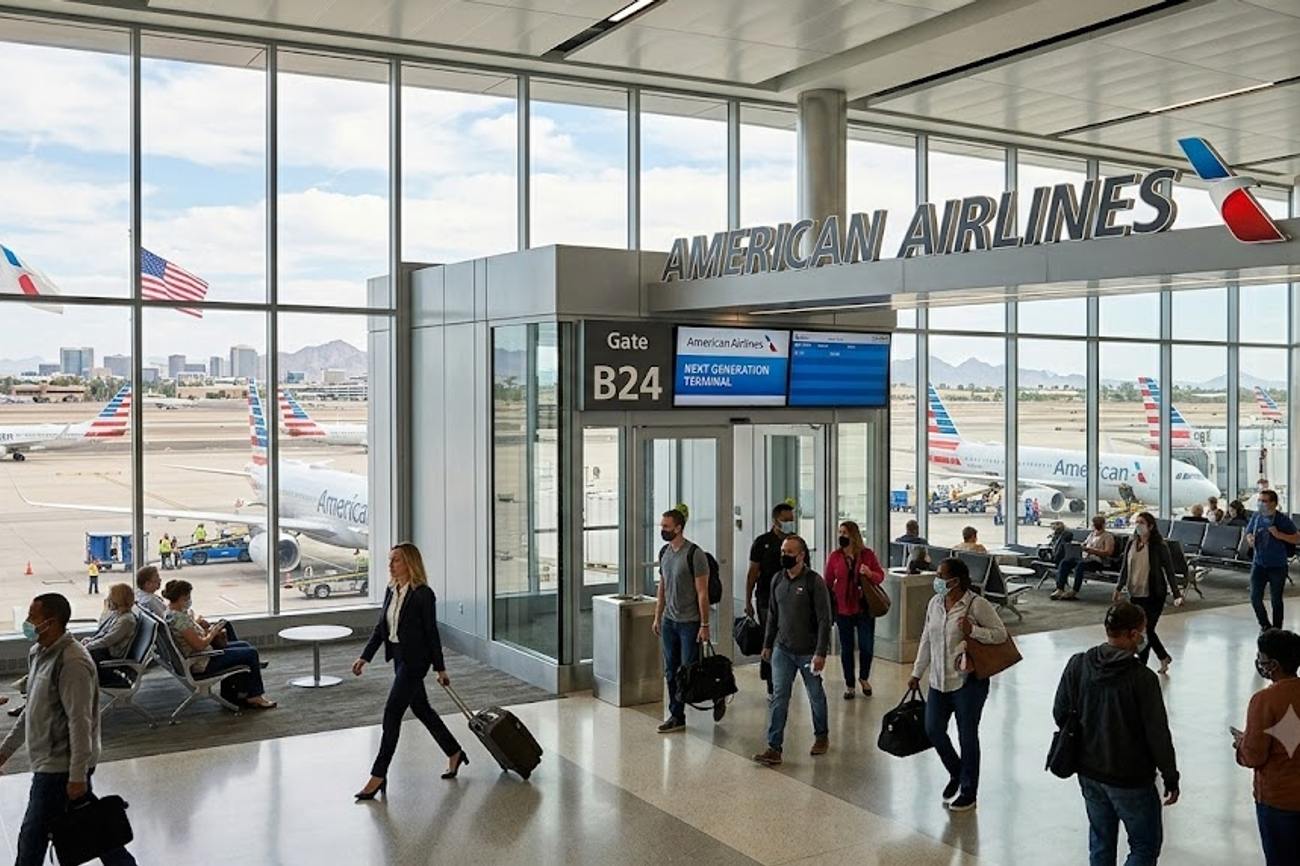
Image generated by AI
34 years have passed since the last major terminal expansion at Phoenix Sky Harbor International Airport, marking a stagnant period in infrastructure growth that ends with the selection of American Airlines as the primary partner for the new West Terminal. This development represents the most significant shift in Arizona's aviation architecture since the opening of Terminal 4 in 1990. By anchoring this project with a legacy carrier, the airport is not merely adding square footage but is attempting to pivot its entire operational model to accommodate a projected surge in passenger volumes through 2050.
The Destination PHX 2050 Framework
The West Terminal is not a standalone construction project; it is the cornerstone of the Destination PHX 2050 strategic program. For over three decades, the airport has operated within a footprint that has struggled to keep pace with the explosive population growth of the American Southwest. The decision to initiate a new terminal build suggests that existing capacity optimizations—such as gate reassignments and interior renovations—have reached their limit.
The selection of American Airlines as the primary partner indicates a strategic alignment between the airport's infrastructure and the carrier's hub-and-spoke ambitions. In the aviation industry, a "primary partner" designation for a new terminal often implies a concentrated operational footprint, allowing the airline to streamline ground handling, reduce aircraft turnaround times, and potentially increase flight frequencies. This partnership is designed to transform Sky Harbor from a regional stop into a more robust global gateway, bridging the gap between Arizona's desert economy and international markets.
Operational Shifts and Capacity Metrics
The transition to a West Terminal model addresses a critical bottleneck in the Phoenix aviation ecosystem. Since 1990, the airport has relied on the Terminal 4 configuration to handle the bulk of its growth. The introduction of the West Terminal disrupts this 34-year-old status quo.
| Project Element | Detail | Strategic Objective |
|---|---|---|
| Primary Carrier | American Airlines | Operational consolidation and route expansion |
| Strategic Plan | Destination PHX 2050 | Long-term capacity and passenger volume scaling |
| Last Major Build | Terminal 4 (1990) | Ending a 34-year infrastructure plateau |
| Regional Focus | American Southwest | Increasing access to Sedona, Scottsdale, and the Grand Canyon |
| Infrastructure Goal | West Terminal | Modernizing processing and larger aircraft support |
The integration of modern terminal technology is expected to alleviate the "friction points" currently experienced by travelers. This includes the implementation of next-generation security screening, biometric boarding, and expanded lounge capacities. By designing for the "next generation of aviation," the airport is preparing for larger, more fuel-efficient aircraft that require different gate footprints and fueling infrastructures than those designed in the late 1980s.
Expert Analysis: The Geopolitics of Southwest Aviation
For travelers and investors, the West Terminal announcement is a signal of Arizona's intent to challenge the dominance of other Western hubs. The direct consequence of this expansion is a projected increase in "point-to-point" international connectivity. Historically, many international travelers entering the Southwest have routed through Los Angeles or Dallas. By expanding capacity through American Airlines, Phoenix is positioning itself to capture a larger share of the direct overseas market.
The pricing pressure this creates is twofold. First, increased capacity generally leads to more competitive pricing on domestic routes as more seats become available. Second, the ability to support larger aircraft allows for "long-haul" viability, which can lower the per-seat cost of international flights into Phoenix.
However, the real value lies in the "last-mile" tourism economy. The proximity of Sky Harbor to high-yield destinations like Scottsdale and Sedona means that any reduction in airport friction translates directly into higher luxury tourism spend. When an airport removes the stress of arrival—through smoother passenger movement and modern facilities—the "destination appeal" of the surrounding region increases. We are seeing a shift where the airport is no longer just a utility, but a primary driver of the regional GDP. The West Terminal is the physical manifestation of this economic strategy.
The Phoenix Airport has selected American Airlines for its next generation terminal, marking a significant breakthrough in USA travel. This development is expected to enhance passenger experience, with more efficient security checks and streamlined baggage handling, as outlined on the Phoenix Sky Harbor International Airport website. The new terminal will also feature modern amenities and expanded dining options.
Key Takeaways
- End of a 34-Year Gap: This is the first major terminal construction project at Sky Harbor since the 1990 opening of Terminal 4.
- Strategic Alignment: American Airlines will serve as the anchor carrier, likely leading to increased flight frequencies and streamlined operations.
- Long-Term Horizon: The project is governed by the Destination PHX 2050 plan, focusing on sustainable growth for the next three decades.
- Economic Catalyst: The expansion is specifically designed to funnel more international traffic into Arizona's luxury and nature tourism sectors.
- Modernization Focus: New infrastructure will support larger aircraft and updated passenger processing technology to reduce transit times.
FAQ: Phoenix Sky Harbor Expansion 2024-2050
Will the new West Terminal make flights to Phoenix cheaper? While infrastructure alone doesn't dictate pricing, the increased capacity and support for larger aircraft typically foster more competition and lower per-seat costs over the long term.
How does the West Terminal affect international arrivals? The expansion allows for more efficient processing of international passengers and the ability to accommodate larger long-haul aircraft, potentially increasing direct flights from overseas.
When will the West Terminal be fully operational? The project is part of the Destination PHX 2050 long-term vision; specific completion dates for all phases are managed under this multi-decade growth strategy.
Which airlines will use the West Terminal? American Airlines has been selected as the primary partner, though the terminal is designed to strengthen overall global connectivity for the airport.
The desert is expanding, and for the first time in three decades, Phoenix's runways are finally catching up to its ambition.
Tags: American Airlines, Phoenix Sky Harbor, Destination PHX 2050, Arizona Tourism, West Terminal Project, Aviation Infrastructure 2024
Related Travel Guides
- Laos Travel Digital Leap As New Platform Unifies Tourism Services For Smarter Visitor Experiences
- Virginia Joins North Carolina and More US States as 24 to 28 September Coastal Storm Raises Flooding, Beach Erosion and Travel Concerns
- Michigan, Wisconsin and Minnesota,USA Face Dangerous Frost as Fall Travelers Prepare for a Chilly Start
This article is for informational purposes. Flight routes, passenger regulations, visa rules, and transit advisories are subject to change by airlines and aviation authorities. Readers are advised to verify schedules and travel documentation with relevant carriers and border agencies before departure.
Related Stories

European Mass Protests Disrupt Travel Across France, Italy, Belgium, and Turkey in 2026

Storm Bruna 2026: Iberia Faces 200mm Rainfall and 6m Swells Triggering Mass Travel Chaos