
USA Hushpitality Quiet Travel Trend Reshapes American Tourism in 2026: Why Texas and Wyoming are Top Digital Detox Escapes: Latest Update
USA Hushpitality Quiet Travel in 2026 is driving tourists to quiet retreats, dark sky reserves, and remote Western towns like Marfa and Pinedale.

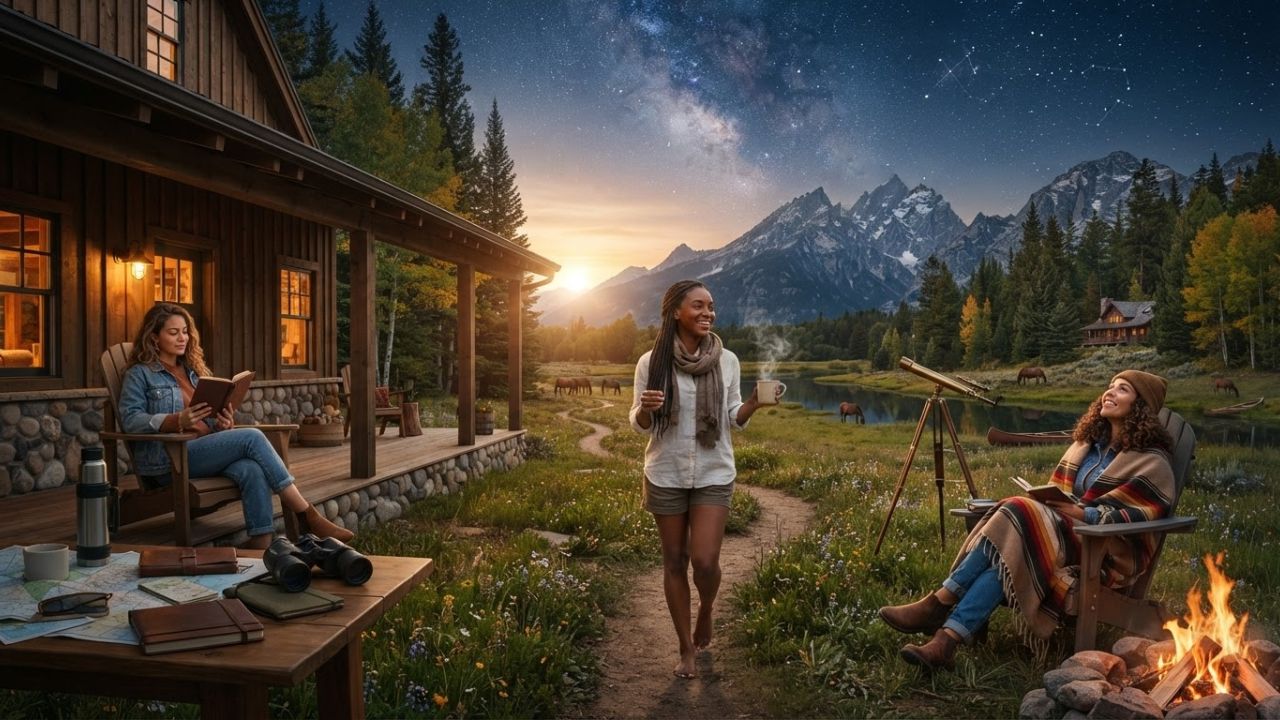
Image generated by AI
The rapid expansion of the USA hushpitality quiet travel movement in 2026 is fundamentally changing domestic tourism as vacationers choose peaceful digital detox retreats over high-density hotspots. From the high desert of West Texas to the wilderness trails of Wyoming, remote American towns are emerging as key wellness sanctuaries. Travelers are urged to plan and book their rural accommodations early to secure spaces in these low-congestion recreational areas.
📌 Quick Summary
- Silence Movement: Hushpitality represents a quiet travel shift focusing on sensory resets, wellness, and digital detox.
- Quiet Sanctuaries: Places like Marfa, Texas, and Pinedale, Wyoming, are drawing visitors away from crowded hotspots.
- Dark Sky Appeal: Sky reserves across Utah, Arizona, Texas, Wyoming, and Montana attract stargazing urbanites.
- Budget Advantages: Rural retreats offer lower accommodation costs and free outdoor recreation.
- Remote Adapting: Lodges and ranches are catering to families and remote workers with comfortable workspaces and low distractions.
Published on July 22, 2026
The emergence of silence-focused hospitality represents a major behavioral transition across the American travel sector, replacing traditional entertainment-heavy vacations with slow travel escapes. Rather than choosing high-density tourism hubs like Orlando or Las Vegas, modern travelers are seeking destinations that offer mental relief from technology and daily congestion. Supported by the rise of remote work and wellness consciousness, this quiet travel trend is providing new opportunities for rural economies across the nation.
Exploring the Rise of the USA Hushpitality Quiet Travel Movement
The hushpitality movement reflects a significant shift in visitor priorities, where relaxation, silence, and authentic community connections serve as the main travel motivators. For many travelers, escaping digital fatigue and noise pollution has become a health priority. As a result, remote cabins, dark sky sanctuaries, and nature retreats are experiencing increased interest from vacationers seeking quiet alternatives.
This movement is driven by a preference for value-driven travel, where the quality of the quiet experience outweighs the number of traditional landmarks visited. The table below details the primary categories of quiet travel destinations and the wellness benefits they provide:
| Destination Category | Primary Wellness Activities | Key American Target Regions | Wellness & Lifestyle Benefits |
|---|---|---|---|
| High Desert Art | Desert stargazing, slow travel, art explorations | Marfa (West Texas) | Slower pace, reduced urban stress |
| Mountain Wilderness | Hiking, wildlife viewing, trail trekking | Pinedale (Wyoming) | High-altitude outdoor relaxation, low congestion |
| Dark Sky Reserve | Planetary viewing, night photography, astronomy | Utah, Arizona, Texas, Wyoming, Montana | Sleep quality improvements, screens disconnect |
| Rural Lodge / Cabin | Remote working, outdoor reflection, reading | Remote Western communities | Balanced screen time, work-lifestyle harmony |
Digital Detox Havens: Spotlight on Marfa and Pinedale
Remote communities across the American West have become unexpected hotspots for travelers seeking to unplug. By offering quiet environments and open spaces, these locations help visitors escape the pressures of modern life.
Marfa, Texas, located in the high desert of West Texas, is widely recognized for its unique artistic community, wide landscapes, and peaceful environment. The town offers a slower pace of life, desert scenery, and excellent opportunities for stargazing away from major cities.
Similarly, Pinedale, Wyoming, provides access to mountain landscapes and wilderness areas under the guidance of the official Wyoming Tourism (travelwyoming.com) resources. Unlike busier locations near national parks, Pinedale offers travelers opportunities for hiking and wildlife viewing without heavy tourist congestion.
Dark Sky Reserves: Complete Sensory Resets Across the West
The growth of quiet travel is closely connected to the popularity of dark sky tourism. Across Utah, Arizona, Texas, Wyoming, and Montana, protected dark sky regions are drawing visitors looking to escape artificial light and digital distractions. Under the guidelines of organizations like DarkSky International (darksky.org), these reserves promote stargazing as a sensory wellness experience.
For travelers from major urban centers such as New York, Los Angeles, Chicago, and Dallas, watching the night sky offers a rare opportunity to disconnect from screens. Clear views of stars, peaceful evening conditions, and educational astronomy experiences provide a complete sensory break from traffic, noise, and constant connectivity.
Risk and Impact: Managing Isolation and Travel Preparedness
While remote quiet travel offers mental and physical benefits, visiting isolated areas requires careful planning and safety awareness.
Key challenges for quiet travelers include:
- Limited Connectivity: Many remote cabins and dark-sky reserves lack reliable cellular service, making offline navigation tools necessary.
- Infrastructure Gaps: Rural towns often feature fewer gas stations, grocery stores, and restaurants, requiring visitors to carry extra supplies.
- Wilderness Hazards: High-altitude mountain trails and desert hikes require appropriate safety gear and wildlife awareness.
- Emergency Service Delays: Remote locations may experience longer response times for medical and automotive emergencies.
What Official Authorities are Saying: Preserving Quiet Escapes
Local tourism offices and conservation authorities are advising visitors to protect the quiet environments they seek. Land management bodies emphasize that the appeal of these destinations depends on preserving natural silence and dark skies.
Authorities urge travelers to practice sustainable tourism by respecting local wildlife, following safety regulations on wilderness trails, and minimizing light pollution in dark sky communities. By managing tourism growth responsibly, rural towns aim to benefit from visitor revenue without compromising their quiet character.
Practical Traveler Advice: Planning a Digital Detox Holiday
For travelers planning a hushpitality trip, preparation is key to ensuring a safe and relaxing experience away from digital networks.
Active travelers should follow these steps:
- Download Offline Resources: Save maps, lodging confirmations, and safety contacts directly to your device before entering areas with low cellular coverage.
- Verify Cabin Amenities: Confirm if your retreat offers internet access, work areas, or heating facilities if you plan to work remotely.
- Pack Safety Supplies: Carry a first-aid kit, extra water, trail maps, and multi-layered clothing for outdoor excursions.
- Support Local Businesses: Dine at small family-owned restaurants and purchase goods from local stores to support rural economies.
- Minimize Artificial Light: Use red-light flashlights in dark-sky regions to preserve your night vision and prevent light pollution.
Why Remote Communities Benefit from USA Hushpitality Quiet Travel
Beyond wellness advantages, quiet travel offers significant financial benefits for both travelers and local economies. Major tourism centers often feature high accommodation rates, ticket fees, and wait times. In contrast, remote towns provide more affordable alternatives.
Vacationers in rural communities often benefit from lower lodging prices, free outdoor activities, and affordable local dining options. For budget-conscious families and couples, this allows for a meaningful holiday without the high costs of commercial theme parks. For remote destinations, this interest provides a sustainable source of tourism income that does not rely on high-density infrastructure.
Looking Ahead: The Evolution of Quiet Spaces
The demand for quiet travel is expected to remain a permanent feature of the tourism landscape. Modern families, couples, and remote workers are increasingly prioritizing destinations that support mental wellbeing and screen-free time.
In response, cabins, ranch stays, and rural lodges are expanding their offerings to support extended stays. By combining comfortable workspaces with limited digital distractions and outdoor access, quiet travel providers are creating a new category of lifestyle-focused tourism that is set to shape the future of travel.
Conclusion
Participing in a quiet travel experience offers a valuable opportunity to recharge away from the stress of modern technology. By exploring remote towns in Texas and Wyoming, or viewing the stars in protected dark sky reserves, travelers can enjoy peaceful holidays that support their mental health. With proper planning, safety awareness, and a commitment to preserving natural quiet, travelers can experience the true benefits of a digital detox.
FAQ: USA Hushpitality Quiet Travel
What is Hushpitality travel?
Hushpitality is an emerging travel trend that focuses on quiet accommodations, digital detox retreats, dark sky stargazing, and nature-based wellness experiences.
Which US towns are popular for quiet travel?
Marfa in West Texas and Pinedale in Wyoming are highly popular destinations, offering wide-open desert landscapes and uncrowded mountain wilderness.
What is dark sky tourism?
Dark sky tourism involves traveling to areas protected from light pollution, under organizations like DarkSky International (darksky.org), to enjoy stargazing and planetary viewing.
Is quiet travel suitable for remote workers?
Yes. Many rural lodges and cabins now offer dedicated workspaces with minimal digital distractions, allowing remote workers to stay productive in a peaceful environment.
Related Travel Guides
- Tennessee Tourism Real Seal Campaign Challenges AI-Generated Travel Images Online by Verifying Authentic Destination Photography: What Every Traveller Must Know
- 7 Picture-Perfect Lake Tahoe Scenic Destinations for Instagram Photography and Mountain Views: What Every Traveller Must Know
- USA Coolcation Summer Travel Boom in 2026: Why Travelers are Swapping Hot Beach Holidays for Alaska, Michigan, and the Pacific Northwest: Latest Update
Suggested SEO Metadata (For Editorial Reference)
- Meta Title: USA Hushpitality Quiet Travel: Digital Detox 2026
- Meta Description: Discover the rise of USA hushpitality quiet travel. Explore remote destinations like Marfa (TX) and Pinedale (WY), plus stargazing and dark sky reserves.
- URL Slug: usa-hushpitality-quiet-travel-digital-detox-2026
- Article Tags: digital detox holidays America, Hushpitality USA travel trend, Marfa Texas tourism, Wyoming hidden gems
- Featured Image Alt Text: A peaceful wooden cabin in the mountains of Wyoming surrounded by thick pine forests under a star-filled dark sky.
Disclaimer
This article is for informational and educational purposes only. It does not constitute legal, financial, or professional advice. While we strive to provide accurate and up-to-date information, travel policies, regulations, and conditions change rapidly. Always verify information with official sources before making travel decisions. Nomad Lawyer makes no representations about the accuracy, reliability, completeness, or suitability of the information provided. Readers should consult qualified professionals for advice specific to their circumstances. The views expressed in this article are those of the author and do not necessarily reflect the views of Nomad Lawyer.
Kunal K Choudhary
Co-Founder & Contributor
A passionate traveller and tech enthusiast. Kunal contributes to the vision and growth of Nomad Lawyer, bringing fresh perspectives and driving the community forward.
Learn more about our team →