
US Wildfire Emergency 2026: Texas Ross Fire and Nevada Blazes Disrupt Outdoor Tourism
Wildfires across Texas, Nevada, Oregon, Washington, and Minnesota are triggering mass cancellations and infrastructure damage, forcing a shift in how US outdoor tourism is managed.

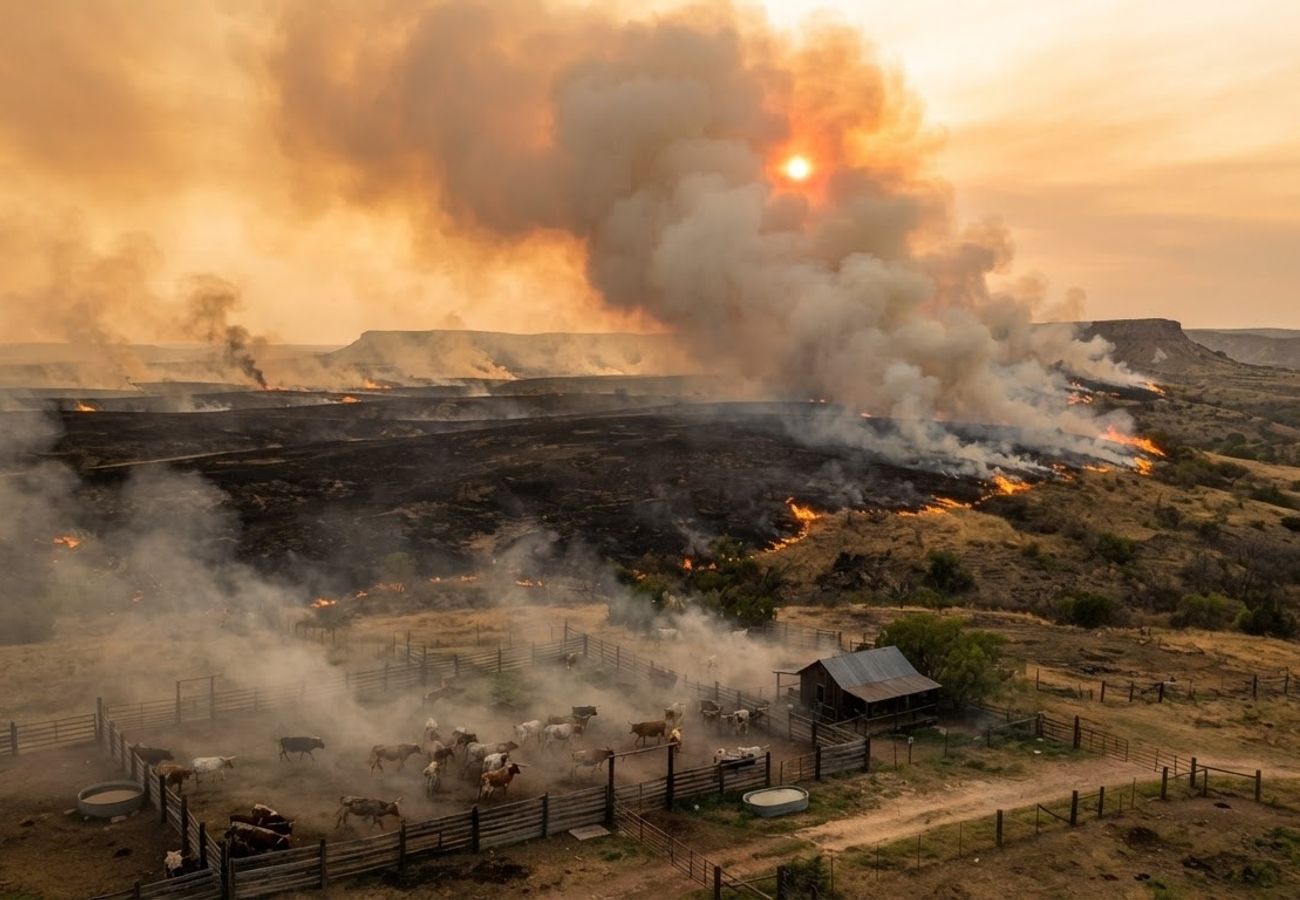
Image generated by AI
Wildfires across Texas, Nevada, and the Pacific Northwest have escalated into a systemic tourism crisis, with the Ross Fire alone impacting 50,000 acres of North Texas landscape.
The United States is currently facing a surge in wildfire emergencies that have transitioned from environmental hazards to significant economic disruptors for the outdoor tourism sector. From the rapid expansion of the Ross Fire in Texas to persistent blazes in Nevada, Washington, Oregon, and Minnesota, the infrastructure supporting ranch tourism, mountain hiking, and wilderness escapes is under severe pressure.
Regional Impact Analysis: The Ross Fire and Beyond
In North Texas, the Ross Fire has created a critical disruption west of Fort Worth. Originating near Palo Pinto County and spreading into Jack County, the blaze was fueled by extreme heat, dry vegetation, and high winds. The Texas A&M Forest Service reported the fire covered approximately 50,000 acres during the initial emergency phase.
The economic fallout is concentrated in the rural getaway and ranch tourism sectors. A notable blow to local infrastructure occurred at Worth Ranch, a youth camping destination that suffered major damage. While no guests were on-site during the incident, the destruction underscores the vulnerability of fixed outdoor assets.
Simultaneously, Nevada's tourism economy is grappling with the Hawk Fire near Reno. This region, which relies heavily on Sierra Nevada mountain tourism and lake-based activities, has seen significant itinerary interruptions due to evacuation zones and smoke-induced visibility issues.
US Wildfire Impact by Region (2026)
| Region | Primary Fire/Threat | Key Tourism Assets Affected | Primary Disruptions |
|---|---|---|---|
| North Texas | Ross Fire | Ranch tourism, Worth Ranch, Lake activities | 50,000 acres burned, evacuations, facility damage |
| Nevada | Hawk Fire | Reno, Sierra Nevada, Mountain hiking | Road restrictions, smoke haze, evacuations |
| Oregon | Regional Blazes | National forests, coastal drives, camping | Access restrictions, seasonal booking losses |
| Washington | Regional Blazes | Wilderness trails, National forests | Trail closures, guide service cancellations |
| Minnesota | Regional Blazes | Canoeing, fishing, remote nature escapes | Route changes, seasonal revenue drops |
Traveler Logistics Guide: Navigating Fire-Prone Zones
From a ground-level perspective, the best way to navigate the current US wildfire climate is to shift from static itineraries to dynamic, alert-based planning. When traveling through the Western or Southern US during peak fire seasons, the following protocols are recommended:
1. Real-Time Monitoring Do not rely on booking platforms for safety updates. Use official government sources for air quality and road status. In the US, the Air Quality Index (AQI) is a primary indicator; once levels reach "Unhealthy" (151-200), outdoor excursions should be postponed.
2. Booking and Cancellation Flexibility When booking ranch stays or mountain lodges in regions like Palo Pinto County or the Sierra Nevada, ensure your contract includes a "Force Majeure" or "Natural Disaster" clause. Many local operators are now offering flexible rescheduling rather than full refunds due to the economic volatility caused by these fires.
3. Digital Transit Policies Travelers should integrate emergency alert systems into their mobile devices. For those utilizing rental vehicles, ensure GPS systems are updated to reflect real-time road closures issued by state Departments of Transportation (DOT), as wildfire evacuations can close primary arteries without prior notice.
Infrastructure and Economic Assessment
The recurring nature of these events is forcing a shift in the US tourism model. Rural communities in Oregon and Washington, which depend almost exclusively on summer travel windows, are facing systemic revenue losses. The "perception of danger" often extends beyond the actual burn zone, leading to a decline in visitor numbers across entire states even when specific attractions remain open.
To combat this, tourism boards are moving toward "Wildfire Resilience," which includes investing in fire-resistant infrastructure and diversifying tourism offerings to include indoor or low-risk alternative activities that can sustain local economies during emergency closures.
The shift toward climate-resilient tourism is no longer optional for the US outdoor economy.
Related Travel Guides
Disclaimer
This article is for informational and educational purposes only. It does not constitute legal, financial, or professional advice. While we strive to provide accurate and up-to-date information, travel policies, regulations, and conditions change rapidly. Always verify information with official sources before making travel decisions. Nomad Lawyer makes no representations about the accuracy, reliability, completeness, or suitability of the information provided. Readers should consult qualified professionals for advice specific to their circumstances. The views expressed in this article are those of the author and do not necessarily reflect the views of Nomad Lawyer.
Kunal K Choudhary
Co-Founder & Contributor
A passionate traveller and tech enthusiast. Kunal contributes to the vision and growth of Nomad Lawyer, bringing fresh perspectives and driving the community forward.
Learn more about our team →