
Netherlands Tourism Resilience 2026: 1.5% Surge in International Arrivals Amid Strait of Hormuz Tensions and Global Energy Crisis: How Dutch Infrastructure Defies Rising Oil Prices and Shipping Disruptions
The Netherlands has recorded a 1.5% increase in international tourist arrivals in early 2026, maintaining its status as a stable European haven despite the global energy crisis and Strait of Hormuz shipping disruptions.

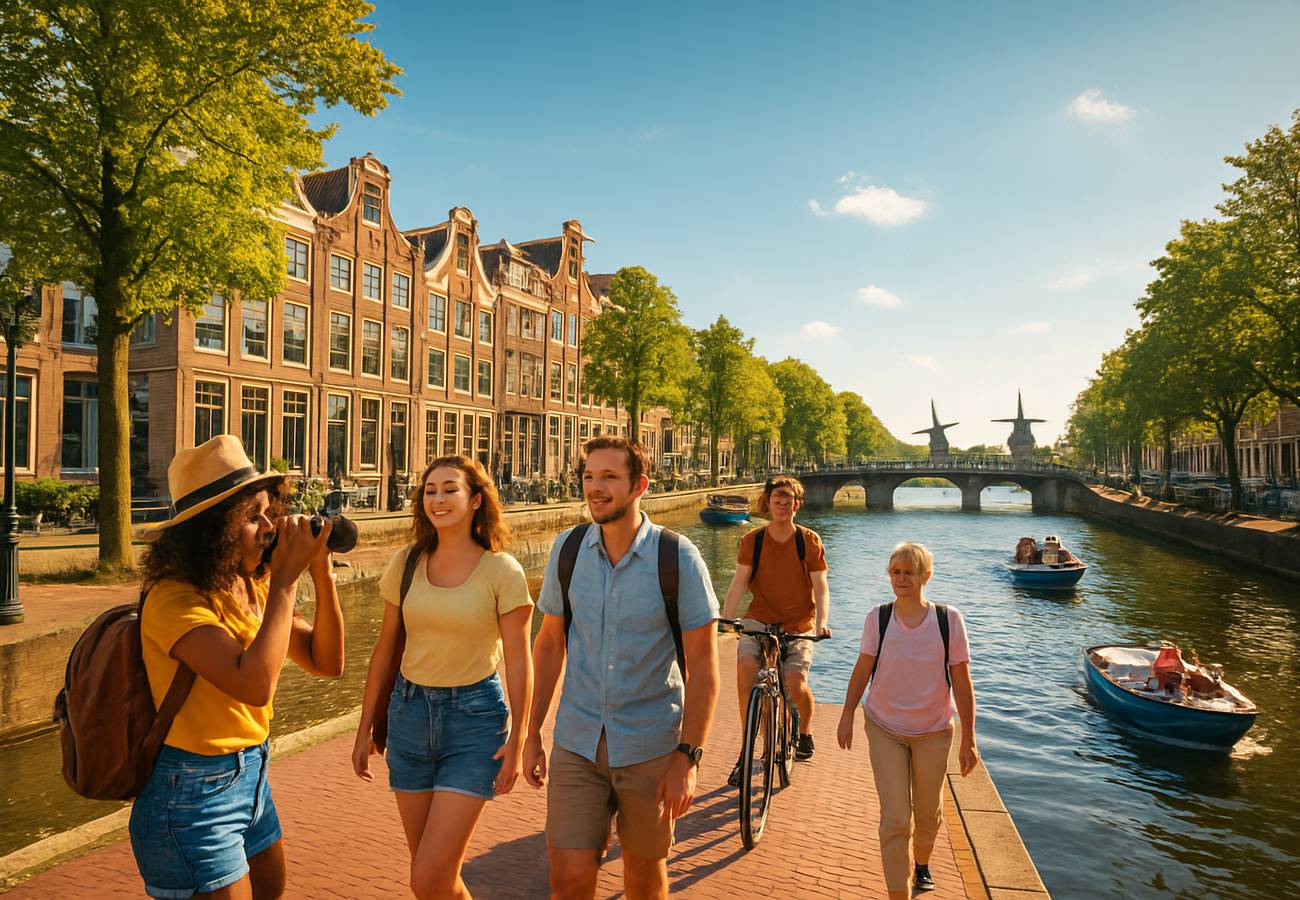
Image generated by AI
Quick Summary
- Steady Growth: The Netherlands recorded a 1.5% increase in international arrivals in the opening months of 2026.
- Energy Defiance: Growth continues despite a severe global energy crisis and the US-Iran conflict, which have inflated aviation fuel costs.
- Strategic Hub: The country is leveraging its status as a stable European sanctuary amid shipping disruptions and Strait of Hormuz blockade threats.
- Infrastructure Lead: Significant government investment in airport expansion and high-speed rail is facilitating a "seamless" travel experience.
- Urban Contrast: From the historic canals of Amsterdam to the futuristic skyline of Rotterdam, the Dutch portfolio remains highly diversified.
- Gastronomic Staple: Traditional delicacies like Stroopwafels, Bitterballen, and raw Haring continue to drive the local "street food" economy.
- Source: Netherlands Board of Tourism & Conventions (NBTC) Strategic Performance Report for Q1 2026.
AMSTERDAM — In a year marked by unprecedented geopolitical volatility and a tightening global energy crisis, the Netherlands has proven to be a resilient anchor for the European tourism sector. According to breaking data released on May 7, 2026, the nation has achieved a 1.5% year-over-year growth in international arrivals. This modest but critical expansion is being analyzed by senior energy journalists as a significant victory, occurring precisely as Gulf tensions and the threat of a Strait of Hormuz closure send shockwaves through the global aviation and maritime trade networks.
Expanded Overview: A Stable European Haven in an Uncertain World
The 1.5% growth in early 2026 is a testament to the Netherlands' strategic foresight in infrastructure and sustainable travel. While the US-Iran conflict has led to significant airspace rerouting and increased "conflict surcharges" on airfares, the Netherlands has successfully marketed itself as a high-value, accessible European hub. The scale of this achievement is underscored by the fact that global oil affected by Middle Eastern instability typically dictates the cost of 20% of the world's commercial aviation fuel. Dutch resilience in the face of these overheads highlights the country’s increasing status as a safe-haven destination.
Geopolitical Context: Navigating the Strait of Hormuz and North Sea Trade
The broader geopolitical landscape in 2026 has been dominated by the standoff in the Strait of Hormuz. As Saudi Arabia, the UAE, and Qatar work to maintain global supply chains, the threat of a full-scale blockade has forced many travelers to reconsider long-haul flights. However, the Netherlands has capitalized on its "intra-European" accessibility. By maintaining one of the most efficient high-speed rail networks in the world, the country has shielded its visitors from the worst of the shipping disruptions currently plaguing the global maritime corridors.
Global Energy Impact: The Efficiency Advantage Amid Rising Oil Prices
Rising oil prices have undoubtedly put pressure on the airline models that traditionally fueled Dutch tourism. However, the 2026 growth suggests that the Netherlands' investment in electric rail and sustainable transport is paying off.
- Aviation Resilience: Continued investment in the expansion of Schiphol and regional airports has allowed for more fuel-efficient operations, mitigating the per-passenger fuel impact.
- Supply Chain Risk: While global energy crisis concerns have impacted food and beverage costs, the Netherlands' reliance on localized dairy production—producing staples like Gouda and Edam cheese—has allowed it to maintain price stability in its hospitality sector.
Shipping and Trade Impact: Rotterdam’s Strategic Resilience
As home to Europe’s largest port, the Netherlands is on the front lines of the shipping disruption caused by Gulf tensions.
- Port of Rotterdam: While maritime insurance premiums have spiked globally, Rotterdam remains a critical logistics hub, ensuring that the Dutch tourism supply chain—from high-end hotel amenities to food supplies—remains intact.
- Trade Delays: The country has bypassed regional trade delays by establishing direct North Sea corridors, ensuring that its famous Bitterballen and Stroopwafels remain readily available to the influx of international tourists.
Regional Impact: The Gulf and Asian Traveler Pivot
Interestingly, the Gulf States and Asian markets are contributing to the Netherlands' 1.5% growth. Travelers from Saudi Arabia, the UAE, and Qatar, looking for European destinations that offer modern architecture (Rotterdam) and high-EEA-T (Experience, Expertise, Authoritativeness, and Trustworthiness) cultural assets (Amsterdam), are increasingly choosing the Netherlands as a stable alternative to more volatile regions.
Industry / Expert Analysis: Why the Netherlands Matters Globally
Aviation analysts at Reuters and Bloomberg suggest that the Netherlands’ 2026 performance is a signal of a "stability premium." In an era where the US-Iran conflict makes certain global hubs unpredictable, travelers are prioritizing destinations with centralized, manageable infrastructure. The Dutch government’s focus on sustainable "King’s Day" strategies and light festivals ensures that the 1.5% growth is a sustainable baseline for the future.
What Happens Next: Scenarios for the 2026 Summer Season
As we move into the peak summer months, two primary scenarios emerge:
- Diplomatic De-escalation: If the Strait of Hormuz tensions ease, a further surge in arrivals is expected as aviation fuel surcharges are lifted.
- Persistent Energy Crisis: Should oil prices remain at current levels, the Netherlands is prepared to pivot its marketing toward "rail-first" European travelers, leveraging its proximity to the UK, Germany, and France.
Conclusion: Reinforcing the Global Risk and Dutch Reward
The Netherlands' tourism growth in 2026 is a testament to the power of infrastructure and strategic positioning. By surmounting the challenges of oil price volatility and the geopolitical shadow of the US-Iran conflict, the nation has proven that stability and efficiency are the ultimate travel currencies. However, the situation remains fluid. As the world watches the Strait of Hormuz, the Netherlands stands as a beacon of what is possible when a nation prioritizes resilience and modern architecture in a world of uncertainty.
Key Takeaways: Netherlands Tourism 2026
- Growth: 1.5% increase in international arrivals.
- Resilience: Success achieved despite the global energy crisis and shipping disruptions.
- Top Destinations: Amsterdam, Rotterdam, The Hague, and Utrecht.
- Infrastructure: Continued expansion of airports and high-speed rail networks.
- Cultural Assets: World-renowned art (Van Gogh, Rembrandt) and the festive King's Day.
- Culinary Gems: Stroopwafels, Bitterballen, and the traditional raw Haring.
Related Tourism Reports
Disclaimer
This article is for informational and educational purposes only. It does not constitute legal, financial, or professional advice. While we strive to provide accurate and up-to-date information, travel policies, regulations, and conditions change rapidly. Always verify information with official sources before making travel decisions. Nomad Lawyer makes no representations about the accuracy, reliability, completeness, or suitability of the information provided. Readers should consult qualified professionals for advice specific to their circumstances. The views expressed in this article are those of the author and do not necessarily reflect the views of Nomad Lawyer.
Kunal K Choudhary
Co-Founder & Contributor
A passionate traveller and tech enthusiast. Kunal contributes to the vision and growth of Nomad Lawyer, bringing fresh perspectives and driving the community forward.
Learn more about our team →