
US Expands Philippines Travel Advisory to Include Rural Leyte, Mindoro, Negros, and Samar in 2026
The US Department of State has widened its security warnings for the Philippines, flagging remote areas of four additional islands due to insurgent activity.

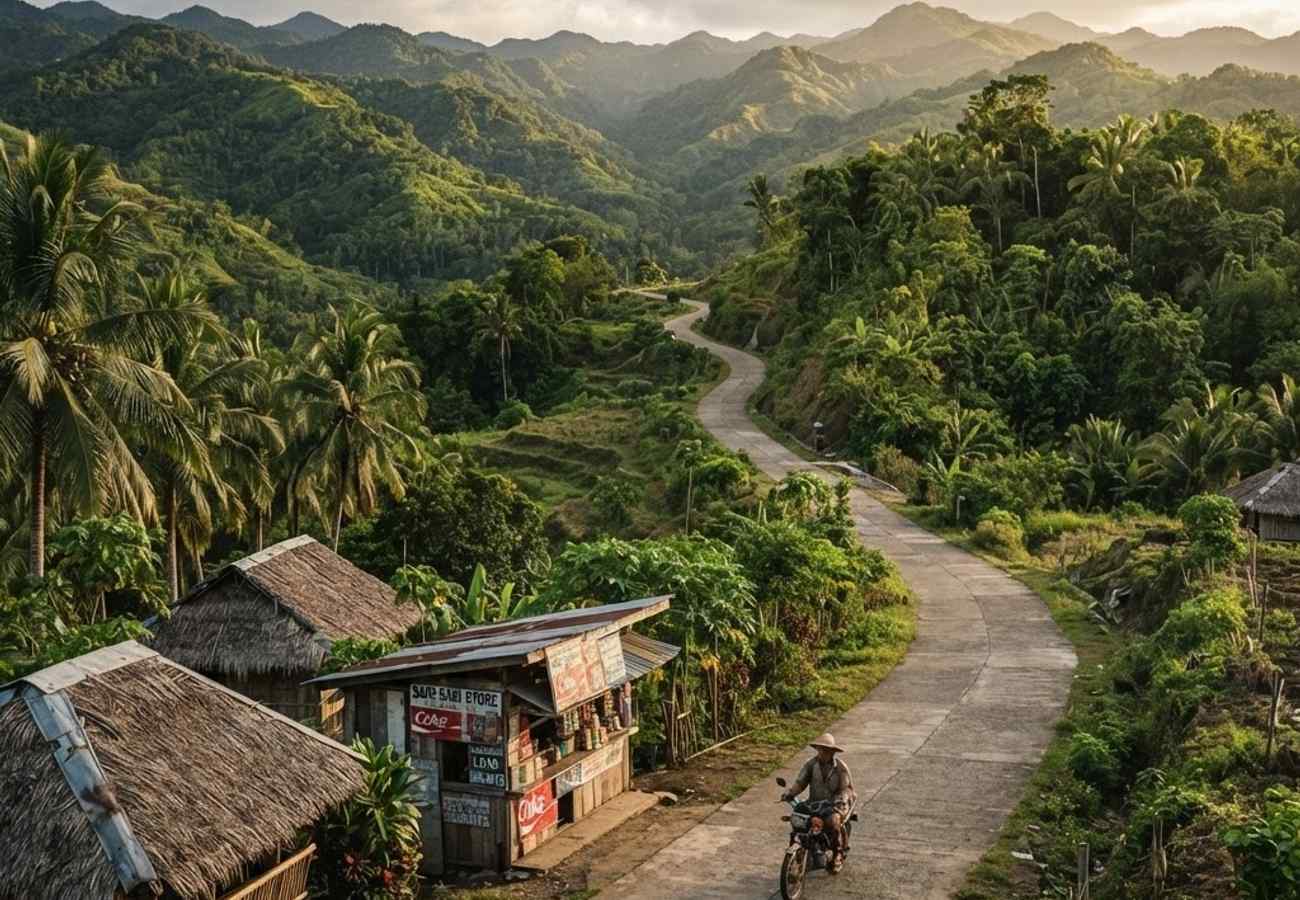
Image generated by AI
US citizens are now urged to exercise increased caution in rural sectors of Leyte, Mindoro, Negros, and Samar. This expansion of the national travel advisory follows a surge in insurgent activity and fatal clashes in the central Philippines.
The US Department of State officially updated its Philippines travel guidance on September 1, 2026. The revision specifically targets non-urban, remote, and mountainous regions of four key islands: Leyte, Mindoro, Negros, and Samar.
While the general country rating remains at Level 2, these specific rural zones are now classified as areas of "heightened concern." The shift indicates a broadening of security risks beyond the traditional hotspots found in the southern regions of the archipelago.
Security Drivers in Central Philippines
The State Department’s decision stems from ongoing unrest and terrorism linked to insurgent groups. Recent data shows a pattern of fatal encounters between these armed elements and Philippine government security forces.
The risk to foreign nationals is not limited to direct targeting but includes the danger of being caught in crossfire or localized fighting. A critical precedent occurred earlier this year in Negros Occidental, where deadly clashes resulted in the deaths of two US citizens.
Security analysts note a sharp divide in risk profiles across these islands. While regional hubs and established tourist towns remain relatively stable, the "upland communities" and remote barangays (villages) suffer from a thinner state presence, making them more susceptible to insurgent influence.
Current US Travel Risk Levels for the Philippines
The updated advisory maintains a granular approach, distinguishing between general caution and strict prohibitions.
| Risk Level | Designation | Affected Areas | Primary Risks |
|---|---|---|---|
| Level 4 | Do Not Travel | Sulu Archipelago, Southern Sulu Sea, Marawi City | Terrorism, Kidnapping, Crime |
| Level 3 | Reconsider Travel | Large portions of Mindanao | Bombings, Abductions, Armed Clashes |
| Level 2 | Exercise Increased Caution | General Philippines, including rural Leyte, Mindoro, Negros, and Samar | Crime, Civil Unrest, Terrorism |
Safe Zones and Exceptions in Mindanao
Despite the Level 3 warning for much of Mindanao, the US government continues to identify specific "carve-outs" where travel remains active and lower-risk. These include:
- The central business district and airport of Davao City.
- Designated sections of Davao del Norte.
- Major road corridors.
- Established island destinations, specifically Siargao and parts of Samal.
Impact on Tourism and Logistics
This advisory is not a blanket ban on visiting the four newly flagged islands. Most high-traffic resorts and transport corridors in Leyte, Mindoro, and Negros remain outside the high-risk rural zones.
However, the update forces tourism operators to recalibrate their risk assessments. Visitors are now encouraged to balance insurgency risks in the interior with seasonal natural hazards, such as typhoons and flooding, which frequently disrupt sea and air links in these provinces.
To mitigate risk, the US government recommends that travelers:
- Enroll in the Smart Traveler Enrollment Program (STEP) for real-time alerts.
- Avoid known protest sites and maintain a low profile.
- Consult local tourism offices and transport operators for route-specific safety.
Travelers should prioritize official government updates over general travel blogs when navigating these specific rural zones.
Related Travel Guides
Disclaimer
This article is for informational and educational purposes only. It does not constitute legal, financial, or professional advice. While we strive to provide accurate and up-to-date information, travel policies, regulations, and conditions change rapidly. Always verify information with official sources before making travel decisions. Nomad Lawyer makes no representations about the accuracy, reliability, completeness, or suitability of the information provided. Readers should consult qualified professionals for advice specific to their circumstances. The views expressed in this article are those of the author and do not necessarily reflect the views of Nomad Lawyer.
Raushan Kumar
Founder & Lead Developer
Full-stack developer with 11+ years of experience and a passionate traveller. Raushan built Nomad Lawyer from the ground up with a vision to create the best travel and law experience on the web.
Learn more about our team →