
US Tightens Visa Rules with Largest-Ever B1 and B2 Case Review
U.S. authorities launch a massive rolling review of B1 and B2 visitor visas issued from 2016 to 2026, targeting cases with changes in immigration intent.

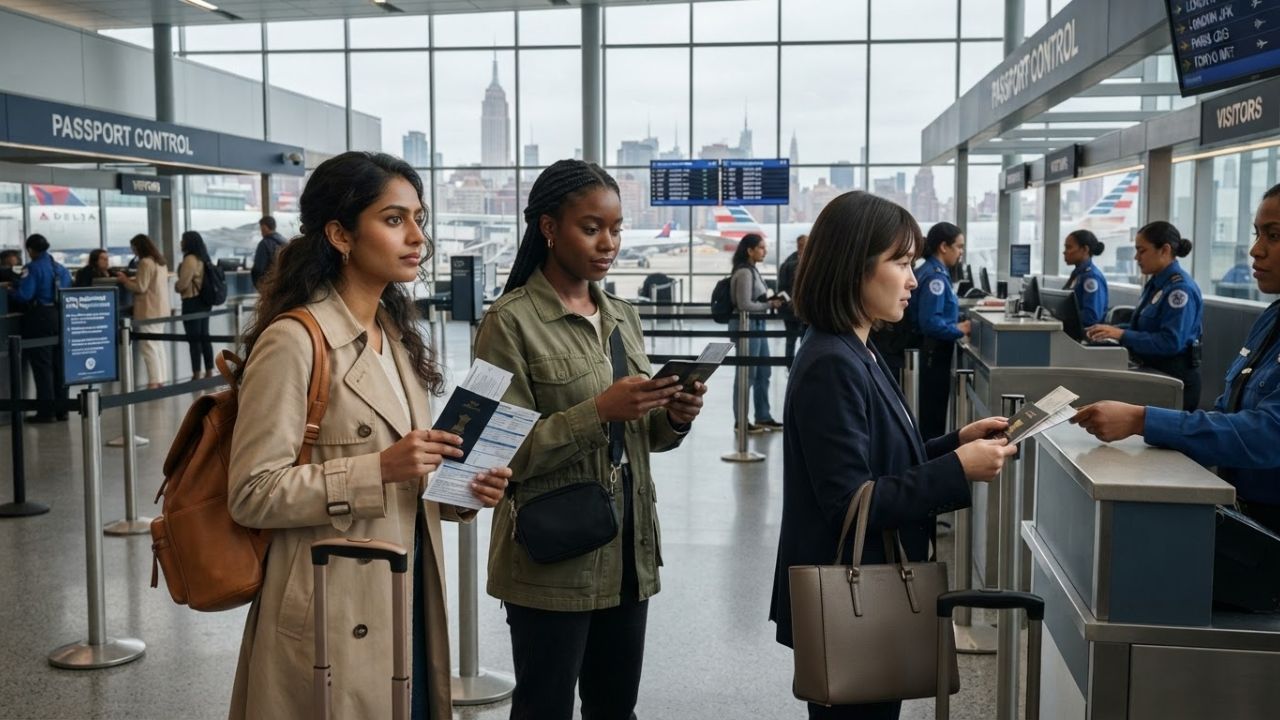
Image generated by AI
The United States has launched a rolling case review targeting B1 and B2 visitor visas issued from 2016 to 2026, marking one of the largest visa monitoring efforts by U.S. authorities. Reports suggest the audit could affect around 200,000 cases as immigration agencies verify whether visa holders comply with their original temporary travel intentions.
The Local Trend Revealed
The joint screening program is being conducted by the U.S. Department of State in cooperation with the U.S. Department of Homeland Security (DHS). The primary objective is to identify B1 (business) and B2 (tourism) visa holders who entered the country under a temporary classification but subsequently applied for asylum, raising questions about their initial intent:
- Scope of the Audit: The review targets visitor visas issued over the past decade (2016-2026). While reports indicate that up to 200,000 cases are being examined, the exact final figure remains unconfirmed and will be adjusted as individual rolling reviews are processed.
- Focus on Immigration Intent: Under U.S. immigration law, applicants for non-immigrant visitor visas must demonstrate strong ties to their home country and prove their intention to return. The review examines cases where visitors applied for asylum shortly after entry, potentially conflicting with the temporary intent declared at their consular interviews.
- Separation of Status and Processing: A visa revocation does not automatically trigger deportation. Individuals with pending asylum applications can proceed through the legal process, but they will lose the B1 or B2 classification that authorized their initial entry.
Regulatory Scrutiny and Future Impacts
This case review aligns with a broader effort to strengthen immigration screening and travel oversight. U.S. authorities are implementing tighter check procedures during visa interviews and expanding cross-agency database sharing. Prospective travelers can expect closer examination of their travel itineraries, employment histories, and financial documents, as monitored by U.S. Citizenship and Immigration Services (USCIS).
Cultural & Environmental Value
For the international traveler, navigating visa rules responsibly is a step toward supporting sustainable local economies. By traveling on verified, short-term itineraries, visitors support independent hotels, regional diners, and local tour operators, keeping tourism revenues within host communities.
To lower the environmental impact of travel within the United States, visitors are encouraged to choose low-carbon transit. For travel between East Coast hubs (Boston, New York, Philadelphia, and Washington, D.C.), choosing Amtrak passenger rail instead of short-haul domestic flights reduces emissions by up to 50 percent per passenger-mile. When renting cars, travelers can select hybrid or electric models and explore protected parks, such as Shenandoah National Park, following strict Leave No Trace guidelines.
Visitor Insider Tips for B1 and B2 Travel to the United States
Travel specialists recommend the following practices for visitor visa holders:
- Demonstrate Clear Home Ties: When applying for a B1/B2 visa, prepare documentation demonstrating strong ties to your home country, such as property deeds, permanent employment contracts, or family obligations.
- Understand Port of Entry Rules: A visa is a travel document and does not guarantee entry. U.S. Customs and Border Protection (CBP) officers make the final decision at the border, typically granting stays of up to six months. Be honest about your travel plans and do not suggest intentions to work or study.
- Observe the Off-Peak Window: Plan your leisure travel during the shoulder seasons of April to May or September to October. You will find lower flight and hotel rates, and popular tourist areas will be less crowded.
- Sample Regional Culinary Specialties:
- In New England: try a bowl of traditional Clam Chowder.
- In Chicago: sample a classic Deep-Dish Pizza.
- In Texas: order authentic wood-smoked Beef Brisket.
- Explore Under-the-Radar Spots: Skip the crowded city sights and explore Shenandoah National Park in Virginia for scenic mountain drives and hiking trails.
- Observe Local Etiquette: Factor a 15 to 20 percent gratuity into your dining budget, as table service workers in the United States rely on tips to supplement their income.
Tourism and Immigration Outlook
The long-term impact of this visa audit will strengthen the integrity of U.S. temporary travel programs. While the rolling review focuses on compliance, it reinforces the principle that B1 and B2 visas are strictly intended for short-term stays, encouraging travelers to select appropriate, legal pathways for long-term study, work, or residency.
FAQ: U.S. B1/B2 Visitor Visa Review
What is the focus of the U.S. visitor visa review in 2026? The review targets B1 and B2 visas issued between 2016 and 2026 to verify if holders maintained temporary travel intentions or used their visas to seek long-term residence, such as applying for asylum shortly after arrival.
Does a visa cancellation result in immediate deportation? No. A revoked visa cancels the visitor status that allowed the original entry, but individuals with pending asylum applications can continue through their separate legal immigration processes.
How many visitor visas are under review? Reports estimate that the review could involve approximately 200,000 cases, though U.S. authorities have stated the final number will depend on the outcomes of individual rolling checks.
What is the difference between a B1 and a B2 visa? A B1 visa is for short-term business travel (such as negotiating contracts or attending conferences), while a B2 visa is for tourism, visiting family, or medical treatment. Most travelers receive a combined B1/B2 visa.
Related Travel Guides
Disclaimer
This article is for informational and educational purposes only. It does not constitute legal, financial, or professional advice. While we strive to provide accurate and up-to-date information, travel policies, regulations, and conditions change rapidly. Always verify information with official sources before making travel decisions. Nomad Lawyer makes no representations about the accuracy, reliability, completeness, or suitability of the information provided. Readers should consult qualified professionals for advice specific to their circumstances. The views expressed in this article are those of the author and do not necessarily reflect the views of Nomad Lawyer.
Raushan Kumar
Founder & Lead Developer
Full-stack developer with 11+ years of experience and a passionate traveller. Raushan built Nomad Lawyer from the ground up with a vision to create the best travel and law experience on the web.
Learn more about our team →