
Japanese Tourism Sector Reports Record Growth in Camper Travel in Japan as Freedom Tourism Trend Redefines Travel Behavior Across Global Markets: Everything You Need to Know
An accelerating global shift toward road-based freedom tourism has positioned Japan as a leading hotspot for camper travel, drawing road-trippers away from hotels.

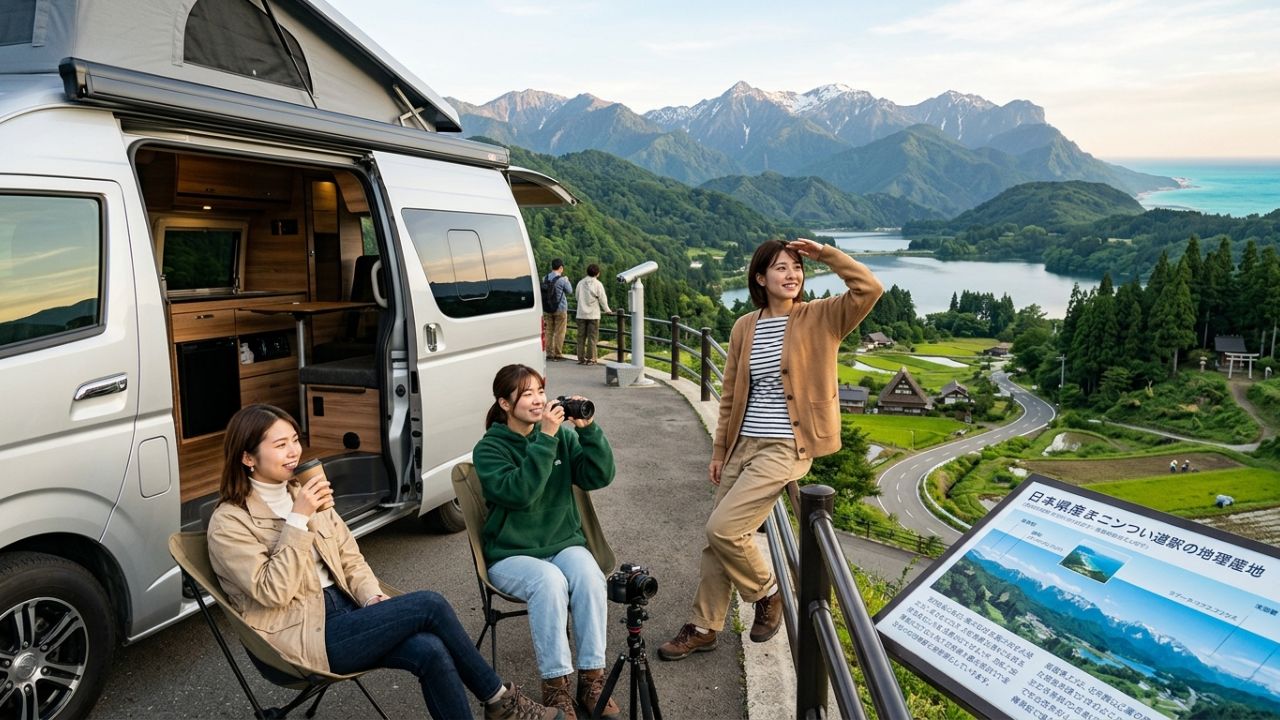
Image generated by AI
Published on June 23, 2026
An accelerating global shift toward road-based freedom tourism has positioned Japan as a major international hotspot for camper travel, drawing both domestic and international road-trippers away from traditional hotel stays. This burgeoning trend is driven by Japan's superior highway networks, diverse natural landscapes, and specialized roadside infrastructure. To capitalize on this flexible holiday experience, travelers are using mobile living vehicles to explore rural regions, utilizing digital booking platforms and rest areas to navigate the country safely.
Quick Summary
- Global Tourism Transformation: Holidaymakers are increasingly transitioning from fixed hotel stays to flexible, road-based camper and caravan tourism options worldwide.
- Japan's Emergence as a Hub: Exceptional highway systems, safe driving environments, and rising RV rental options position Japan as a top-tier destination for road trips.
- Decentralized Travel Trends: Travelers are bypassing overcrowded urban centers to explore remote, scenic, and cultural landscapes across Honshu, Hokkaido, Kyushu, and Shikoku.
- Targeted Infrastructure Upgrades: The expansion of roadside rest stations (Michi-no-Eki), dedicated RV zones, and multilingual signage has significantly simplified long-distance travel.
- Sustainable Economic Impact: Mobile tourism distributes traveler spending into rural economies, boosting local businesses and reducing the pressure on high-density city hotel zones.
This dramatic shift in tourist preferences aligns with a broader pattern observed by international travel associations and national tourism organizations, who report rapid global growth in self-driven vacations. In response, government authorities in several countries have prioritized the expansion of caravan parks, RV rental fleets, and eco-friendly travel mobility systems. The rise of camper travel in Japan highlights a post-disruption desire for independent exploration, prompting the integration of transport and lodging to offer an alternative to high-density holiday environments.
Event and Incident Details: The Rise of Camper Travel in Japan
The acceleration of road-based holidays in Japan is supported by a safe driving environment and a highly maintained national expressway system. Travelers can lease camper vans locally, choosing from an expanding variety of modern rental services. This allows domestic and international visitors to bypass traditional transit hubs and design custom itineraries.
A comparison between conventional hotel-based holidays and mobile caravan travel highlights the distinct lifestyle benefits driving this tourism shift:
| Travel Feature | Traditional Tourism | Camper Travel |
|---|---|---|
| Accommodation | Fixed hotels and ryokans | Mobile living in recreational vehicles (RVs) |
| Route Flexibility | Limited by check-in times and locations | High flexibility to alter routes and stops |
| Cost Structure | Higher dependency on premium lodging | Variable, with overall lower average expenses |
| Experience Style | Concentrated in major urban city centers | Greater focus on nature and regional exploration |
| Travel Pace | Governed by fixed transport schedules | Self-paced exploration along scenic highways |
By combining accommodation and transport, camper vehicles give visitors a practical solution to explore mountainous and coastal areas at their own speed.
Risk and Impact: Key Operational Challenges and Safety Factors
While self-driven tourism offers unparalleled freedom, the influx of recreational vehicles presents specific logistical challenges and operational constraints:
- Roadside Crowding: The rising volume of campers can lead to high occupancy at roadside rest areas, particularly during peak holiday seasons.
- Navigation Difficulties: Winding mountainous roads and narrow rural streets in older historic quarters require high driving vigilance and compact vehicle selections.
- Waste Management Rules: RV travelers must strictly adhere to local waste-disposal and sanitation guidelines at campsites to avoid community disputes.
- Expressway Toll Fees: Long-distance travel across Japan's extensive toll roads can result in significant cumulative transit costs.
- Campsite Availability: Popular camping zones and dedicated RV parks require advanced digital reservations to prevent travelers from being stranded.
What Authorities and Organizations Are Saying
To manage this tourism wave, Japanese transport officials are actively upgrading national infrastructure. The Ministry of Land, Infrastructure, Transport and Tourism emphasizes the expansion of Michi-no-Eki (roadside rest stations) as a key element of the country's travel network. These public facilities provide travelers with clean restrooms, local food products, and tourism information.
Furthermore, regional destination managers are integrating multilingual signage and digital travel support applications. The Japan National Tourism Organization (JNTO) explains that these enhancements are designed to minimize language barriers and improve road safety for international drivers. Authorities recommend that travelers utilize designated parking spaces rather than camping illegally in public parking lots.
Practical Traveler Advice: Navigating Bypasses and Booking Rentals
Travelers planning to experience camper travel in Japan should incorporate the following operational guidelines into their trip planning:
- Leverage Roadside Stations: Utilize the extensive network of Michi-no-Eki rest stops for clean facilities, water, and local regional goods during long drives.
- Download Multilingual Navigation Apps: Install updated GPS and routing applications that support English and other languages to avoid getting lost in rural areas.
- Pre-Book Designated RV Parks: Confirm overnight spots at official camping grounds and RV parks to ensure access to electrical hookups and sanitation services.
- Choose the Right Vehicle Size: Rent compact camper models that can comfortably navigate narrow local roads and fit in standard parking bays.
- Purchase Expressway Passes: Look into regional highway passes for foreign tourists to cap and manage toll fee expenditures.
- Learn Basic Road Rules: Familiarize yourself with Japan's traffic signs, left-side driving rules, and parking regulations before starting your journey.
Broader Context: How Camper Travel in Japan Promotes Sustainable Ecotourism
The rise of mobile tourism supports Japan's long-term sustainability objectives by distributing visitor flows more evenly. Traditionally, international tourist spending has been heavily concentrated in metropolitan corridors like Tokyo, Kyoto, and Osaka, leading to overcrowding.
By choosing camper vans, travelers naturally divert their journeys to lesser-known provinces in Hokkaido, Kyushu, and Shikoku. This decentralization helps channel tourism dollars directly into small-scale rural economies, supporting local food producers, craft workshops, and regional campsites. Consequently, road-based travel functions as a key mechanism for rural development and low-impact eco-tourism.
What to Expect Next / Looking Ahead
As the market matures, the camper rental sector is anticipated to introduce eco-friendly electric and hybrid fleets to align with national emission reduction targets. Digital booking platforms will continue to integrate real-time campsite availability and smart tolling services into simplified travel applications.
Additionally, international travel agencies are expected to roll out comprehensive RV holiday packages that bundle vehicle rentals, campsite bookings, and curated scenic itineraries. This will make road-based exploration even more accessible to first-time international visitors, cementing Japan's status as a premier global road-trip destination.
Conclusion Paragraph
The growing popularity of camper travel in Japan highlights a major shift toward flexible, independent travel models. With its combination of safe expressways, cultural depth, and dedicated infrastructure like roadside stations, the country is uniquely equipped to host this self-driven adventure boom. By using digital planning tools and respecting local guidelines, road-trippers can experience the ultimate travel freedom while supporting the preservation of Japan's rural communities.
Related Travel Guides
Mount Fuji Off-Season Climbing Crisis: Japan Tightens Laws for Foreign Tourists
Japan Updated Visa Rules and Rising Travel Costs in 2026
The 10 Best RV Camping Spots in Japan, According to Reddit
Disclaimer: Camper rental regulations, highway toll fee structures, and parking availability at roadside stations across Japan are subject to change based on local government policies and seasonal demands. Travelers are advised to verify vehicle rental terms, licensing requirements, and campsite reservations directly with local operators prior to departure.
FAQ: Camper Travel in Japan 2026
What is a Michi-no-Eki and can camper travelers use them in Japan?
A Michi-no-Eki is a government-designated roadside rest station. They offer free parking, clean restrooms, local food, and tourism info. While they are ideal for resting, travelers should use official campsites or RV parks for overnight camping.
Do foreign tourists need a special permit for camper travel in Japan?
Yes, international visitors must possess a valid International Driving Permit (IDP) alongside their home country’s driver's license. It is essential to secure this documentation before arriving in Japan to rent and operate a camper van.
Which regions in Japan are best suited for RV and caravan road trips?
Hokkaido is highly recommended for its open landscapes and national parks. Honshu offers cultural cities and mountain paths, Kyushu features volcanic hot springs, and Shikoku is famed for scenic coastal pilgrimage routes.
How does camper travel in Japan support eco-friendly tourism?
Camper travel distributes visitor foot traffic away from high-density urban corridors. By directing travelers to rural communities, it supports small-scale local economies and reduces the environmental footprint associated with concentrated hotel zones.
What digital tools help travelers navigating Japan in a camper van?
Road travelers benefit from GPS navigation systems, multilingual booking platforms for campsites, mobile applications for foreign drivers, and integrated highway service information services that provide real-time updates on traffic and facilities.
Disclaimer
This article is for informational and educational purposes only. It does not constitute legal, financial, or professional advice. While we strive to provide accurate and up-to-date information, travel policies, regulations, and conditions change rapidly. Always verify information with official sources before making travel decisions. Nomad Lawyer makes no representations about the accuracy, reliability, completeness, or suitability of the information provided. Readers should consult qualified professionals for advice specific to their circumstances. The views expressed in this article are those of the author and do not necessarily reflect the views of Nomad Lawyer.
Kunal K Choudhary
Co-Founder & Contributor
A passionate traveller and tech enthusiast. Kunal contributes to the vision and growth of Nomad Lawyer, bringing fresh perspectives and driving the community forward.
Learn more about our team →