Urban Tourism: 'One Street Holidays' Redefine US City Breaks

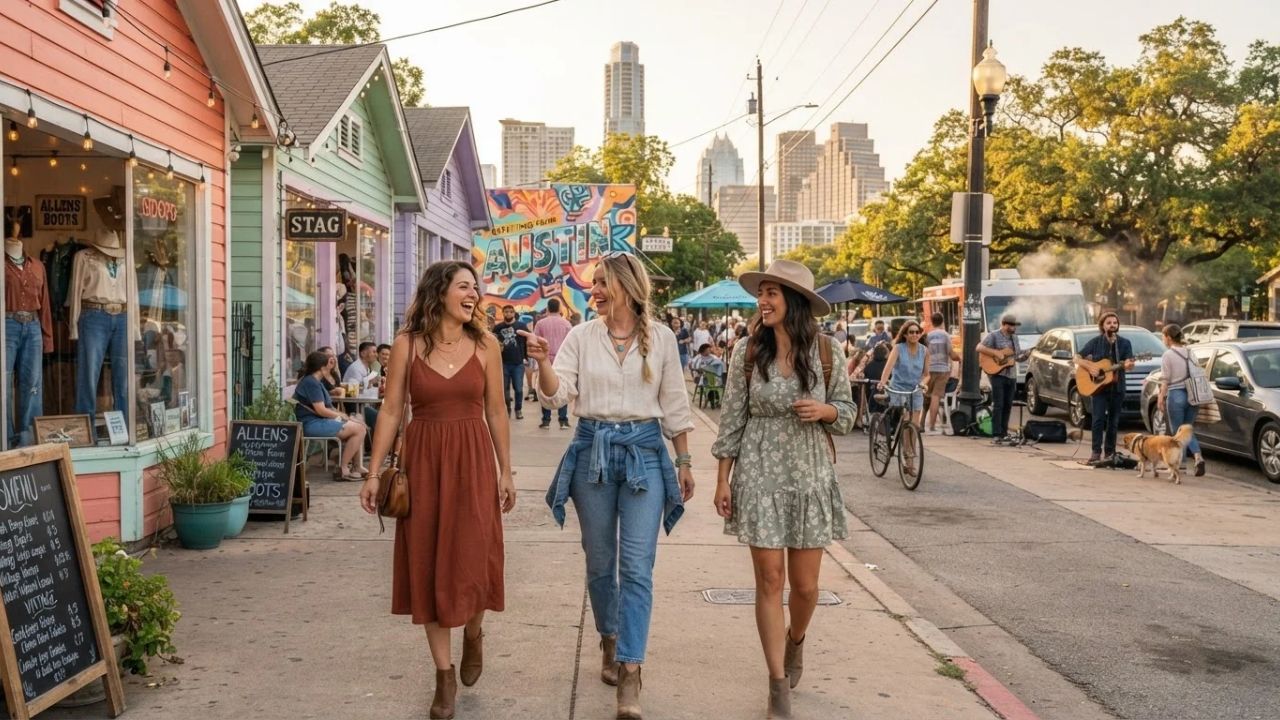
Image generated by AI
A new urban travel trend called 'One Street Holidays' is encouraging travelers to focus on single, high-density historic corridors. Municipal tourism bureaus indicate that organizing itineraries around a single avenue supports small independent businesses and reduces visitor carbon footprints.
The Rise of the One Street Holiday Trend
A notable trend in city travel is the preference for slow, hyper-localized exploration centered on a single famous street. Historically, city breaks were designed as high-speed checklists, requiring travelers to take multiple taxi rides daily to visit scattered museums, parks, and dining zones. In 2026, visitors select single historic avenues that pack food, shopping, local heritage, and entertainment into a walkable corridor.
By spending the entire day exploring a single street, travelers can observe how a neighborhood transitions from morning to night. This low-impact model supports independent boutiques, galleries, and coffee shops, keeping tourist expenditures within the host community.
Top Five US Avenues Redefining City Travel
Several major US streets serve as prime models for this walkable tourism style:
- South Congress Avenue (Austin, Texas): Focuses on independent Texas fashion boutiques, local craft shops, food trailers, and historic live music halls.
- Magazine Street (New Orleans, Louisiana): Stretches for six miles parallel to the Mississippi River, featuring historic Victorian row houses, antique shops, and local bakeries.
- Ocean Drive (Miami Beach, Florida): Spans ten walkable blocks along South Beach, blending Atlantic beachfront access with classic Art Deco historic hotels.
- Broadway (Nashville, Tennessee): Operates as a compact music corridor, packed with multi-level honky-tonks, rooftop restaurants, and live country music.
- Fifth Avenue (New York City, New York): Combines upscale shopping, landmark high-rise architecture, access to Central Park, and the museums of Museum Mile.
These avenues allow visitors to experience a city's culture without relying on constant transport.
Key Benefits of Walks-Only Urban Travel
Chasing the vibe of a single avenue offers several advantages over traditional sightseeing:
- Continuous Engagement: Travelers stop every few minutes to explore murals, coffee shops, or independent bookstores.
- Reduced Transit Stress: Avoids the cost and confusion of navigating complex subway networks or booking ride-shares.
- Visual Transformation: Allows visitors to witness how architectural corridors like Ocean Drive transition from daytime pastel structures into glowing neon facades.
- Blended Cultural Experiences: Combines shopping and dining with live performances, as seen in Nashville’s street music culture.
- Deeper Exploration: Encourages slow observation of historic buildings, local artisans, and neighborhood characters.
This trend is reshaping how urban tourism boards promote historic commercial districts.
US One Street Holiday Coordinates
The table below breaks down the five featured streets, municipal locations, primary travel appeals, route lengths, target activities, and coordinating boards:
| Famous Street Corridor | Municipal Location | Primary Travel Appeal | Route Length | Target Travel Activity | Coordinating Tourism Board |
|---|---|---|---|---|---|
| South Congress Ave | Austin, TX | Murals, boots & music | Walkable district | Live music & shopping | Visit Austin |
| Magazine Street | New Orleans, LA | Vintage stores & row houses | 6 miles | Antique shopping & dining | New Orleans & Company |
| Ocean Drive | Miami Beach, FL | Art Deco architecture | 10 blocks | Historic walks & beaching | Greater Miami Convention Board |
| Broadway | Nashville, TN | Honky-tonks & rooftops | Compact strip | Live country music tours | Nashville Convention Corp |
| Fifth Avenue | New York, NY | Museums & retail | Long avenue | Museum Mile exploration | NYC Tourism + Conventions |
These coordinates outline the corridors, locations, appeals, lengths, activities, and boards established for the urban travel market.
Resource Stewardship and Eco-Focus
For the traveler, the benefit of choosing walks-only itineraries is the elimination of greenhouse gas emissions associated with short-distance taxi and ride-share bookings. Exploring cities on foot supports low-impact urban mobility and keeps regional transit corridors clear.
Additionally, spending travel dollars at locally owned businesses (such as the independent bookstores on Magazine Street) directly helps preserve the neighborhood's historic character. Respecting local heritage structures by supporting municipal preservation societies ensures these historic avenues remain active for future generations.
For comparison, you can explore the changing dynamics of Stimulus Launch: Taiwan Unveils Billion-Dollar Repeat Visitor Rewards to see how destinations promote visitor spend. For transit updates, comparing travel scheduling matches other networks, such as Winter Escapes: November Sun Rush Drives Outbound Caribbean Travel updates. This trend is similar to the tourism growth seen in other destinations, as detailed in our guide on how Utica, New York Emerges as an Affordable Northeast Tourism Hub.
Visitor Insider Tips: Planning a One Street Holiday
If you are planning a city trip, keep these practical tips in mind:
- Select Central Lodging: Choose a boutique hotel directly on or within one block of your target avenue to make your trip walks-only.
- Pace Your Magazine Street Walk: Because the New Orleans corridor is six miles long, break your day into segments with stops at local bakeries.
- Visit Ocean Drive at Sunset: Arrive in the late afternoon to see the transition of the Art Deco buildings from daylight pastels to neon light displays.
- Locate Rooftops in Nashville: Explore the multi-level venues on Broadway early in the afternoon to secure rooftop seating with street views.
- Map Museum Mile in NYC: If exploring Fifth Avenue, choose one or two museums (like the Metropolitan Museum of Art) to avoid museum fatigue.
Long-Term Outlook for Walkable Cities
The long-term outlook for transit in walkable districts is focused on introducing zero-emission electric shuttle loops, expanding pedestrian-only zones during weekends, and installing smart benches with digital neighborhood maps. As demand for sustainable urban holidays remains high, city planning boards and tourism chambers will cooperate to protect historic avenues.
By protecting local business districts and supporting walkability, the travel sector aims to build a sustainable destination network.
FAQ
What is a One Street Holiday?
It is a slow travel trend where visitors spend the majority of their trip exploring a single, high-density historic street instead of traveling to multiple distant sites.
How long is Magazine Street in New Orleans?
Magazine Street stretches for six miles parallel to the Mississippi River, packed with vintage stores, cafes, and local galleries.
What is the Art Deco Historic District?
Located on Ocean Drive in Miami Beach, it features ten walkable blocks of iconic 1930s pastel architecture bordering the Atlantic Ocean.
Which street is best for live music?
Broadway in Nashville is the premier music corridor, allowing travelers to hop between honky-tonks and rooftop venues without a vehicle.
Stay updated on the regional travel regulations and municipal programs shaping US urban tourism.
Related Travel Guides
- Morocco Secures 4.5% Economic Growth Forecast for 2026 as Tourism and Heavy Industry Merge
- Contemporary Artist Takuma Fujisaki Unveils MOLnarrative Pipe Cleaner Exhibition at Ginza Tsutaya Books in Tokyo Running Through September 2026
- Bahrain International Tourist Arrivals Plummet 27.8% in Q1 2026 Amid Intensifying Gulf Competition
This article is for informational purposes. Flight routes, passenger regulations, visa rules, and transit advisories are subject to change by airlines and aviation authorities. Readers are advised to verify schedules and travel documentation with relevant carriers and border agencies before departure.
Related Stories

Thailand and Vietnam Lead Asia Tourism Surge in 2026 via Strategic Visa Policy Shifts

Samarkand Marathon 2026: Uzbekistan Attracts 1,500 Athletes from 63 Nations for Sports Tourism