
Bahrain International Tourist Arrivals Plummet 27.8% in Q1 2026 Amid Intensifying Gulf Competition
Bahrain's tourism sector faces a critical downturn with a 27.8% drop in international arrivals during Q1 2026, signaling a shift in regional travel dynamics and increased competition across the Gulf.

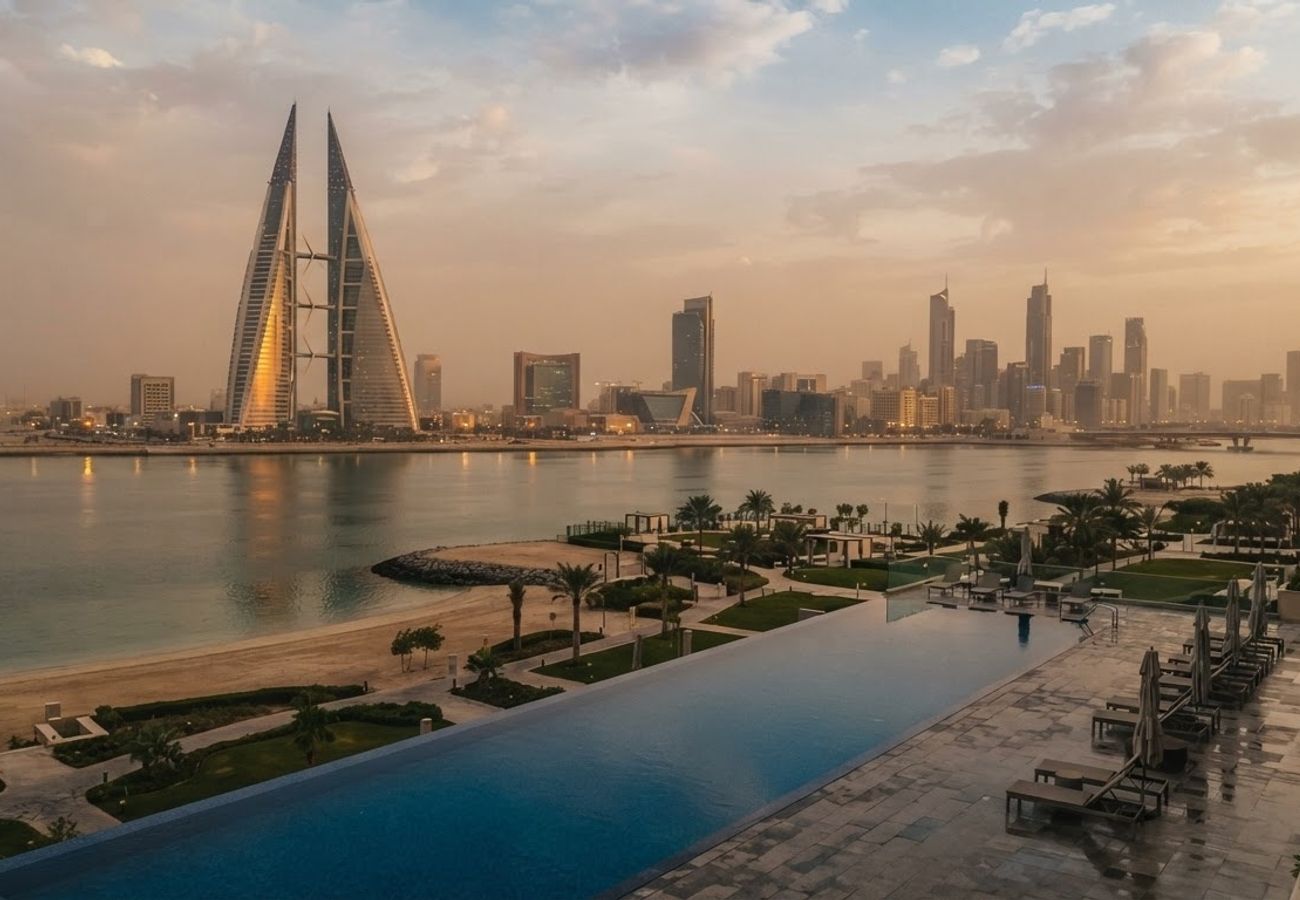
Image generated by AI
Bahrain's tourism sector has hit a significant roadblock, with international visitor numbers crashing by nearly 28% in the first three months of 2026. This sharp contraction serves as a critical warning for the kingdom's ambitions to remain a top-tier global destination.
The decline is not merely a statistical dip but a reflection of a volatile regional travel environment. According to the latest figures from UN Tourism, Bahrain recorded a 27.7% to 27.8% year-on-year decrease in international tourist arrivals between January and March 2026. This downturn threatens to stall the kingdom's efforts to market its unique blend of luxury hospitality, cultural heritage, and business-friendly infrastructure.
Regional Volatility and the Confidence Gap
The downturn is largely attributed to a combination of systemic regional pressures rather than a single isolated event. Travel demand in the Middle East is historically hypersensitive to perceived stability. When regional uncertainty rises, international travelers frequently postpone trips or pivot to destinations perceived as lower-risk.
Because Bahrain is deeply integrated into the Arabian Gulf's connected tourism ecosystem, it is particularly vulnerable to these shifts. Many visitors treat Bahrain as a secondary or tertiary stop in a broader Gulf itinerary; when confidence in the region wavers, these short-stay visits are often the first to be cancelled.
The Perils of Regional Dependency
A significant portion of Bahrain's tourism traffic originates from neighboring Gulf Cooperation Council (GCC) markets. While this proximity allows for high-volume weekend travel and short-term leisure trips, it creates a dangerous dependency.
When spending patterns shift within the GCC, the impact on Bahrain's economy is immediate. This contraction is felt across several key verticals:
- Hospitality: Sharp drops in hotel occupancy rates.
- Retail: Reduced footfall in high-end shopping destinations.
- Gastronomy: Lower revenue for restaurants and cafes.
- Infrastructure: Decreased demand for transport and local attraction services.
Fierce Competition in the Gulf Tourism Race
Bahrain is currently fighting for market share in one of the world's most aggressive tourism growth zones. Neighboring states are deploying massive capital to capture the same demographic of luxury and leisure travelers.
- Saudi Arabia: Rapidly scaling "giga-projects" and diversifying its tourism offering.
- Dubai (UAE): Leveraging a global brand and unmatched infrastructure to maintain dominance.
- Qatar: Utilizing high-profile international events and targeted visitor campaigns.
As these neighbors expand their luxury resorts, mega-entertainment hubs, and airline connectivity, Bahrain faces the challenge of differentiating its "value proposition" to avoid becoming a secondary choice.
Air Connectivity and Economic Headwinds
The accessibility of a destination is the primary driver of its growth. Any fluctuation in flight frequencies, airline capacity, or passenger confidence directly correlates to arrival numbers. In 2026, a shift in travel behavior has seen tourists prioritize destinations with the highest perceived value relative to cost.
Rising global travel costs—including airfare, accommodation, and daily expenses—have made travelers more discerning. For a short-break destination like Bahrain, this means visitors are more likely to switch to a nearby alternative that offers more attractions or lower overall holiday costs.
Analysis of Q1 2026 Tourism Performance
The following data summarizes the contraction observed during the first quarter of the year.
| Tourism Indicator | Bahrain Performance Detail |
|---|---|
| Reporting Period | January to March 2026 |
| Data Source | UN Tourism |
| Primary Measure | International Tourist Arrivals |
| Recorded Change | 27.7% decline |
| Market Impact | Reduced international visitor movement |
| Affected Sectors | Leisure, business, and hospitality tourism |
Leveraging Existing Assets for Recovery
Despite the current slump, Bahrain possesses structural advantages that can be leveraged for a rebound. The kingdom's recovery strategy will likely lean on these core strengths:
- Cultural Depth: Utilizing ancient history and traditional markets to attract cultural tourists.
- Strategic Location: Using its position as a gateway between major regional markets.
- Business Hub: Strengthening the MICE (Meetings, Incentives, Conferences, and Exhibitions) sector.
- Luxury Niche: Promoting premium international hotel brands and waterfront experiences.
The road to recovery requires more than just marketing; it necessitates a diversification of the visitor base to reduce reliance on regional GCC travelers and an increase in direct international flight connectivity.
The 2026 downturn is a pivotal moment for Bahrain to reinvent its tourism identity in an increasingly crowded regional market.
Key Takeaways
- Sharp Decline: International arrivals dropped by approximately 27.8% in Q1 2026.
- Regional Sensitivity: Geopolitical uncertainty and shifting traveler confidence have heavily impacted visitor numbers.
- Competitive Pressure: Massive investments in Saudi Arabia, UAE, and Qatar are diverting potential tourists.
- Economic Factors: Rising travel costs and a dependence on regional GCC visitors have exacerbated the downturn.
- Path Forward: Recovery depends on diversifying target markets and improving global air connectivity.
FAQ
Why did Bahrain's tourism drop in early 2026? The decline was caused by a combination of regional uncertainty, increased competition from neighboring Gulf states, rising travel costs, and a high dependency on regional visitors.
What does the UN Tourism data reveal? UN Tourism statistics show a 27.7% decline in international tourist arrivals for Bahrain between January and March 2026 compared to the same period in 2025.
How is Bahrain competing with Saudi Arabia and Dubai? Bahrain is focusing on its unique blend of cultural heritage, luxury hospitality, and its strategic location, though it faces challenges against the "mega-projects" of its neighbors.
Related Travel Guides
Disclaimer
This article is for informational and educational purposes only. It does not constitute legal, financial, or professional advice. While we strive to provide accurate and up-to-date information, travel policies, regulations, and conditions change rapidly. Always verify information with official sources before making travel decisions. Nomad Lawyer makes no representations about the accuracy, reliability, completeness, or suitability of the information provided. Readers should consult qualified professionals for advice specific to their circumstances. The views expressed in this article are those of the author and do not necessarily reflect the views of Nomad Lawyer.
Kunal K Choudhary
Co-Founder & Contributor
A passionate traveller and tech enthusiast. Kunal contributes to the vision and growth of Nomad Lawyer, bringing fresh perspectives and driving the community forward.
Learn more about our team →