
US Remote Wilderness Retreats Redefine the Luxury Travel Code
Montana, Wyoming, Colorado, Utah, and Texas lead a major shift in luxury travel, attracting affluent visitors with secluded ranches and nature escapes.

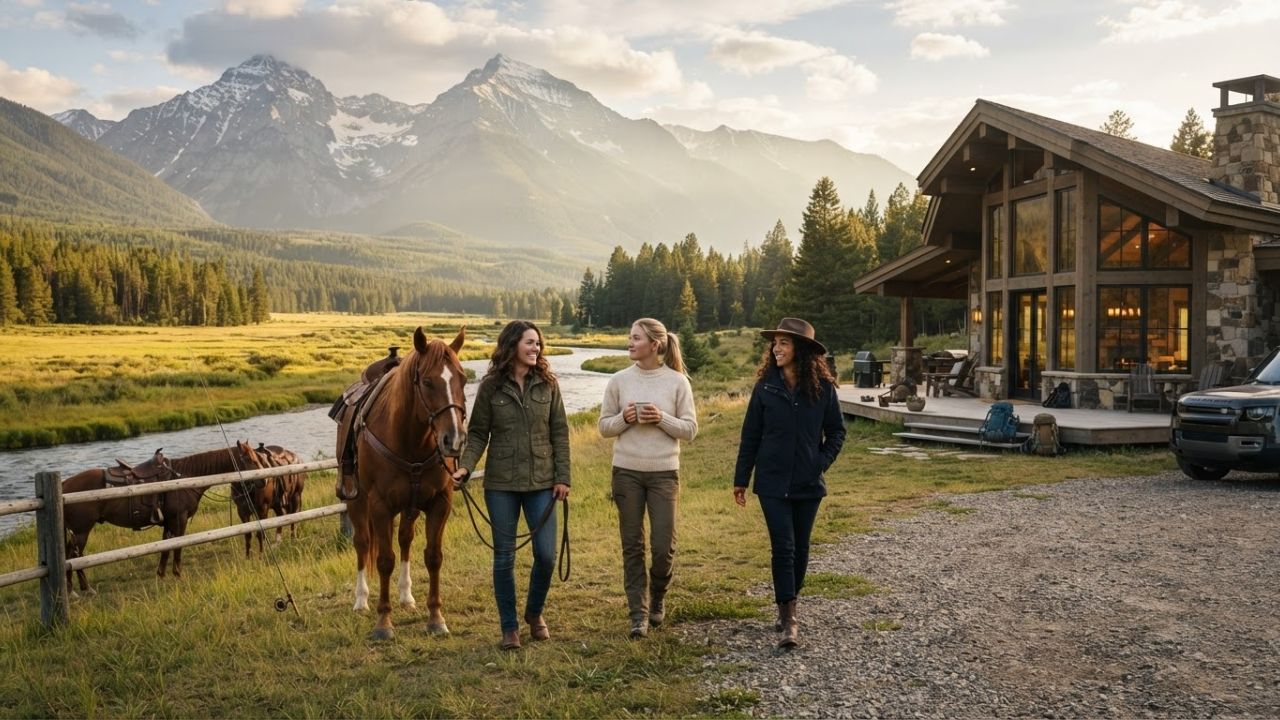
Image generated by AI
Affluent travelers in the United States are shifting away from busy cities and crowded resorts to seek out space, privacy, and outdoor adventure. States like Montana, Wyoming, Colorado, Utah, and Texas are emerging as the main beneficiaries of this movement, offering remote wilderness retreats and luxury guest ranches.
Wilderness Retreats: The Ascent of Remote Luxury Travel
The luxury travel market in the United States is entering a new chapter, driven by a change in passenger preferences. For decades, premium travel was defined by five-star hotels in major cities or exclusive beachfront resorts. Today, wealthy travelers increasingly prioritize privacy, space, and a deep connection with nature. They are willing to travel further and spend more to enjoy secluded locations where they can escape crowds and experience natural environments in comfort.
This trend is rewriting the tourism map of the United States. States with vast open spaces, dramatic mountain ranges, and pristine wilderness are developing premium hospitality options to accommodate this demand. By combining high-end accommodations with guided outdoor adventures, regional developers are demonstrating that the modern definition of luxury is centered on quietness, exclusivity, and personalized experiences.
As investments flow into remote mountain lodges, desert retreats, and historic guest ranches, these wilderness destinations are becoming important engines of economic growth, supporting local outfitters, dining spots, and conservation projects. For the visitor, the real impact is an experience that feels customized and private, providing a complete contrast to the fast-paced, crowded cities where travel options are highly standardized and commercialized.
Northern Rockies: Montana and Wyoming Lead the Wild Escape
The Northern Rocky Mountains have become the primary focus of this remote luxury travel movement. Montana and Wyoming offer travelers some of the most dramatic mountain scenery, rivers, and wildlife habitats in North America:
- Montana: Big Sky has developed into one of the country's fastest-growing luxury destinations, featuring premium mountain lodges and guest ranches. Other areas, including Paradise Valley, Whitefish, Bozeman, and Flathead Lake, attract visitors seeking outdoor recreation. Travelers spend their days fly fishing, horseback riding, and hiking through pristine forests before returning to high-end accommodations.
- Wyoming: Jackson Hole and the areas surrounding Grand Teton National Park continue to serve as major destinations for exclusive travelers. Luxury guest ranches have modernized traditional countryside stays by introducing private cabins, gourmet farm-to-table dining, and wellness facilities. Guests can enjoy customized itineraries, such as guided wildlife photography tours or private hiking excursions, providing flexibility during their stay.
By focusing on personalized service and untouched nature, the Northern Rockies have set a standard for wilderness-based luxury.
Southwestern Terrains: Year-Round Colorado and Desert Utah
Further south, Colorado and Utah have created distinct luxury models, utilizing their unique geographical features to attract year-round visitors:
- Colorado: Known primarily for winter skiing, destinations like Aspen, Telluride, Vail, Beaver Creek, and Colorado Springs have transitioned into year-round resorts. During the summer and autumn, luxury properties offer hiking, mountain biking, wellness retreats, and private helicopter tours across alpine environments. Resorts have also invested heavily in holistic wellness, introducing outdoor yoga and personalized spa programs.
- Utah: Southern Utah has developed a reputation for desert-based luxury, featuring exclusive resorts that blend into red-rock canyons. The state’s natural beauty supports stargazing programs, guided canyon tours, and private hiking trails. Luxury glamping has also grown rapidly, allowing travelers to experience remote desert settings without giving up modern comfort.
These Southwestern destinations show that wilderness travel can support both outdoor adventure and physical well-being.
Texas Hill Country: Boutique Vineyards and Ranches
Texas is also playing a significant role in the expansion of remote luxury travel, offering experiences that combine regional heritage with modern hospitality:
- Texas Hill Country: The region surrounding Fredericksburg has become a major destination for travelers seeking an alternative to city stays. Visitors can book luxury ranches, boutique vineyards, and country retreats, enjoying regional wine tours and farm-to-table dining.
- Boutique Glamping: Developers in Texas have introduced high-end glamping tents and cabins along rivers and hillsides, providing visitors with direct access to the outdoors alongside modern amenities.
By integrating regional wine production and ranching traditions, Texas has created a unique luxury market that appeals to travelers seeking comfort and cultural connection.
Sustainable Luxury: Land Stewardship and Leave No Trace
From a sustainability perspective, remote luxury travel presents both opportunities and responsibilities. The National Park Service and state tourism offices emphasize that protecting wilderness areas is essential for the long-term success of the tourism sector. Many remote lodges and guest ranches practice active land stewardship, conserving water resources, using solar power, and supporting local wildlife protection projects.
Travelers can support these conservation efforts by following Leave No Trace principles when hiking or riding on public lands. This includes staying on designated trails, packing out all waste, and respecting wildlife habitats. In dry desert regions like Southern Utah, conserving water and minimizing energy consumption helps reduce the strain on local infrastructure.
Additionally, choosing certified eco-lodges and hiring local independent guides helps ensure that tourism spending supports conservation and provides employment for regional communities.
Local Insider Guide: Wildlife Safety and Regional Game Dining
To help you plan a safe, comfortable, and memorable wilderness escape, destination specialists suggest the following tips:
- Book During the Shoulder Seasons: To enjoy pleasant weather and fewer crowds, visit these states during the shoulder seasons. Late spring (May and June) or early autumn (September and October) are excellent times for hiking and touring, and room rates are generally lower than during the peak summer and winter seasons.
- Keep a Safe Distance from Wildlife: When visiting national parks, always maintain a safe distance from large animals. The National Park Service recommends staying at least 25 yards away from bison, elk, and deer, and at least 100 yards away from bears and wolves. Never approach or feed wild animals.
- Sample Regional Cuisine: Experience the local food culture. Try wild game like bison steaks in Montana and Wyoming, enjoy fresh trout in Colorado, sample prickly pear mocktails in Utah, and try slow-smoked beef brisket paired with local wines in the Texas Hill Country.
- Explore Escalante Canyons: In Utah, visit the Grand Staircase-Escalante National Monument for under-the-radar hiking trails and scenic views away from the busier national parks.
Tourism Outlook: The New Geographic Map of Exclusive Escapes
The long-term outlook for the luxury travel sector in the United States indicates a continued preference for wilderness and wellness-based destinations. As travelers seek out privacy and personal space, remote resorts and guest ranches will play an increasingly important role in the growth of sustainable regional tourism.
By investing in high-end, low-impact accommodations and developing partnerships with local outdoor guides, states like Montana, Wyoming, Colorado, Utah, and Texas are well positioned to lead this transition. This model supports local businesses and encourages environmental conservation, proving that luxury travel can successfully support both passenger satisfaction and wilderness preservation.
Ultimately, the future of the visitor economy will be shaped by the balance between luxury and sustainability, demonstrating that the freedom to escape the ordinary remains one of the greatest attractions in modern travel.
Related Travel Guides
Four Seasons Hotel Tunis Hosts Byblos Nights to Highlight Authentic Lebanese Cuisine
Miami Luxury Real Estate Boom Driven by Wealth Migration From New York and Global Markets
10 Best Remote Wilderness Retreats in the US, According to Reddit
Disclaimer
This article is for informational and educational purposes only. It does not constitute legal, financial, or professional advice. While we strive to provide accurate and up-to-date information, travel policies, regulations, and conditions change rapidly. Always verify information with official sources before making travel decisions. Nomad Lawyer makes no representations about the accuracy, reliability, completeness, or suitability of the information provided. Readers should consult qualified professionals for advice specific to their circumstances. The views expressed in this article are those of the author and do not necessarily reflect the views of Nomad Lawyer.
Kunal K Choudhary
Co-Founder & Contributor
A passionate traveller and tech enthusiast. Kunal contributes to the vision and growth of Nomad Lawyer, bringing fresh perspectives and driving the community forward.
Learn more about our team →