
Unlocking 64% Hotel Savings Across Top US Cities: Strategic Timing & Seasonal Booking Guide 2026

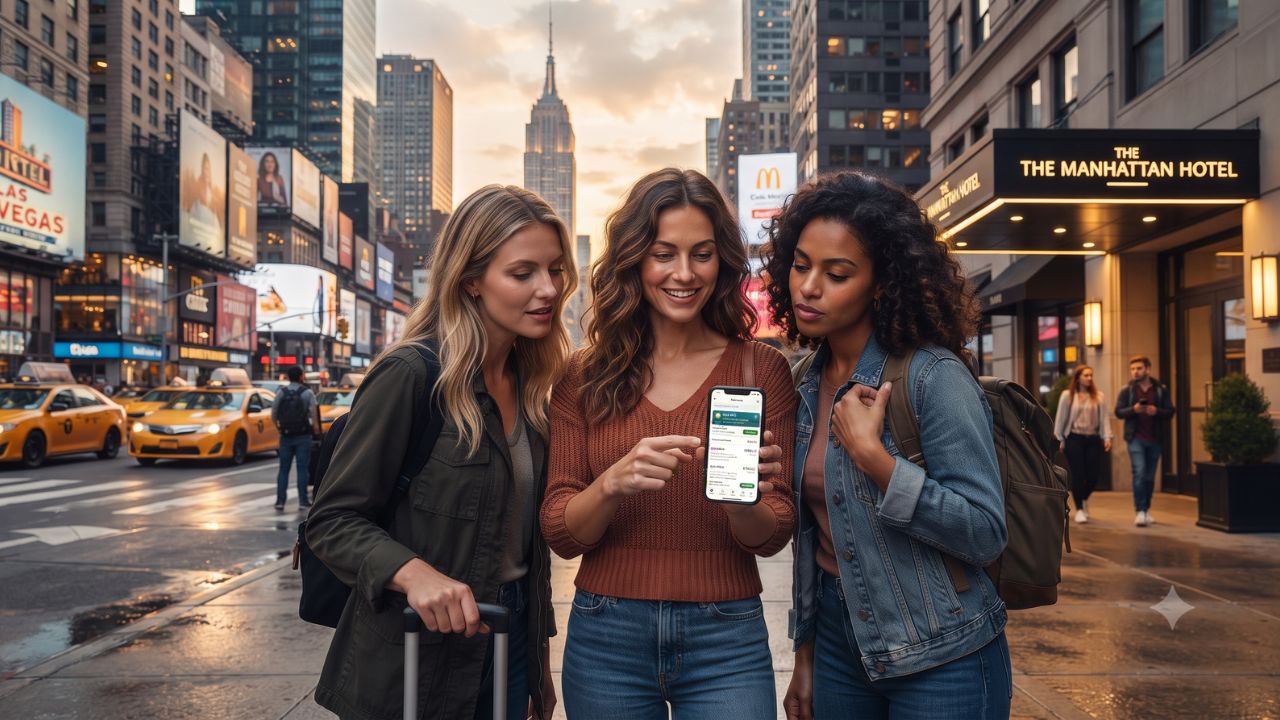
In premier American metropolitan hubs like New York City and Boston, room rates fluctuate by as much as 64% between peak convention months and quieter shoulder periods. Comprehensive accommodation tracking monitored by the National Travel and Tourism Office (NTTO) demonstrates that shifting a trip by just two or three weeks can yield hundreds of dollars in lodging savings, transforming an otherwise steep holiday budget into an accessible urban adventure.
For domestic explorers and international travelers crossing continents, lodging constitutes the single largest expenditure in any United States travel itinerary. By moving beyond rigid peak-season calendars, savvy visitors are discovering that America's foremost urban centers offer their most authentic street life, uncrowded cultural institutions, and competitive accommodation rates precisely during off-peak and transition windows.
The Seasonal Price Swing: How Major US Metropolitan Markets Shift
Across America's top destination cities, hotel pricing is not dictated solely by weather, but by an intricate interplay of corporate conventions, academic calendars, sports championships, and cultural festivals:
- New York City: The city attracts millions year-round to iconic sights including Times Square, Central Park, Broadway theaters, the Statue of Liberty, the Empire State Building, and world-class museums. However, rates skyrocket during United Nations General Assembly sessions in September, marathon weekends in November, and December holiday festivities. Conversely, January, February, and late July offer significant rate drops across Manhattan, Brooklyn, and Queens.
- Boston: Driven by historic walking routes along the Freedom Trail, green strolls through Boston Common, baseball crowds at Fenway Park, and prestigious events around Harvard University, Boston room costs peak during spring university commencements and autumn foliage runs. Visiting in mid-summer or late winter reveals steep lodging discounts in walkable historic districts.
- Chicago: Lake Michigan's cultural anchor experiences high hotel demand during summer lakefront festivals, architectural tours, and massive downtown medical conventions. Late autumn and early spring provide prime value for museum visits and neighborhood culinary exploration.
- Miami and South Florida: Winter and early spring draw massive crowds escaping cold northern climates to enjoy South Beach and Art Deco architecture. Shoulder months such as May and late September deliver luxury beachfront resorts at a fraction of their peak January rates.
- Las Vegas: As a premier global entertainment and gaming hub, Las Vegas room prices are largely decoupled from traditional seasons and driven instead by massive trade conventions and headline residency concerts. Midweek stays when no major convention occupies the city center consistently yield the greatest savings.
- Orlando, San Francisco, and Houston: Orlando lodging tracks school vacation schedules closely around Walt Disney World and Universal Orlando. San Francisco and Houston hotel rates adjust dynamically around tech summits, energy conferences, and regional arts programming.
What Makes Strategic City Travel Experientially Superior
Timing an American city getaway during shoulder and low-demand periods provides far more than monetary savings; it fundamentally elevates the travel experience.
In New York City, visiting during winter shoulder weeks allows travelers to walk through the Metropolitan Museum of Art or MoMA without dense crowds, secure coveted reservations at Michelin-starred dining rooms in Greenwich Village and SoHo, and wander serene, snow-dusted paths in Central Park.
In historic Boston, off-peak exploration means unobstructed views of colonial landmarks along the red-brick Freedom Trail, leisurely conversations with neighborhood baristas in the North End and Beacon Hill, and easy access to public transit on the MBTA subway without peak commuter congestion.
Exploring major cities promoted through Brand USA outside hyper-peak periods connects travelers directly with resident life. Coffee shops, independent bookshops, jazz basements, and community farmers markets operate at a relaxed, neighborly cadence, offering genuine insight into contemporary American culture.
Visitor Insider Tips for Maximizing US City Hotel Value
Securing optimum value across American metropolitan hotels requires actionable local strategies:
- Audit City Convention Calendars Before Booking: Before locking in dates for Chicago, Las Vegas, or San Francisco, check official convention bureau calendars. Major medical or technology trade shows hosting 40,000 attendees can double citywide room rates overnight.
- Anchor in Transit-Connected Outer Neighborhoods: In New York, look beyond Midtown Manhattan toward Long Island City in Queens or Downtown Brooklyn, which sit just two subway stops from Grand Central and Lower Manhattan. In Boston, consider Cambridge or Somerville along the MBTA Red and Green lines.
- Leverage Midweek Stays in Leisure Cities, Weekend Stays in Corporate Hubs: In business-centric cities like Houston, Philadelphia, and financial-district Chicago, hotel rates drop on Friday and Saturday nights when business travelers depart. In leisure and resort markets like Las Vegas and Miami, Sunday through Thursday nights offer the steepest discounts.
- Understand Amenity and Destination Fees: Many downtown US hotels apply mandatory nightly "urban destination fees" or "facility fees" ($25 to $50 per night). Read the fine print carefully on booking confirmations to ensure accurate total budget projections.
- Utilize Public Transit Over Rideshares: Urban rideshare pricing in major US hubs has escalated substantially. Utilize rechargeable transit cards like New York's OMNY contactless system, Chicago's Ventra card, or Boston's CharlieCard to navigate seamlessly between outer-borough boutique hotels and downtown attractions.
Cultural and Environmental Context: Sustainable Urban Tourism
Strategic timing also plays an essential role in mitigating urban tourism congestion and fostering long-term environmental sustainability.
Hyper-concentrated tourist surges strain municipal water resources, electricity grids, and transit networks in dense downtown cores. When travelers distribute their visits evenly across shoulder seasons and stay in diverse residential boroughs, tourist spending directly supports independent neighborhood grocers, family-run ethnic restaurants, and local service workers rather than solely global hospitality conglomerates.
In addition, balancing city exploration with nearby green spaces overseen by the National Park Service—such as Boston Harbor Islands National Recreation Area or Gateway National Recreation Area in New York and New Jersey—encourages ecological stewardship while offering peaceful outdoor escapes from the urban pavement.
FAQ: US City Hotel Booking & Travel 2026
What are the cheapest months to book hotels in New York City and Boston?
January, February, and late July to early August consistently offer the lowest room rates, saving up to 64% compared to peak autumn and holiday months.
How far in advance should I book major US city hotels?
Booking four to eight weeks in advance is ideal for standard travel, while holiday seasons, major conventions, and fall foliage trips require reserving three to four months ahead.
Are outer-borough neighborhoods safe and convenient for tourists?
Yes. Neighborhoods such as Long Island City in Queens, Brooklyn Heights, Cambridge in Boston, and Lincoln Park in Chicago are exceptionally safe, vibrant, and well connected by rapid transit.
Do US hotel prices include taxes and service fees?
Displayed rates frequently exclude local occupancy taxes (ranging from 12% to 18%) and nightly facility or destination fees. Always verify the final all-inclusive checkout price.
Mastering the calendar of American cities transforms ordinary travel into extraordinary, value-driven urban exploration.
Related Travel Guides
Disclaimer
This article is for informational and educational purposes only. It does not constitute legal, financial, or professional advice. While we strive to provide accurate and up-to-date information, travel policies, regulations, and conditions change rapidly. Always verify information with official sources before making travel decisions. Nomad Lawyer makes no representations about the accuracy, reliability, completeness, or suitability of the information provided. Readers should consult qualified professionals for advice specific to their circumstances. The views expressed in this article are those of the author and do not necessarily reflect the views of Nomad Lawyer.
Preeti Gunjan
Contributor & Community Manager
A passionate traveller and community builder. Preeti helps grow the Nomad Lawyer community, fostering engagement and bringing the reader experience to life.
Learn more about our team →